Lawmakers to Convene in Little Rock on April 8
The Arkansas Legislature’s 2026 budget session starts in just a few days, and lawmakers are already pre-filing measures. Here are a couple of items we plan to watch this spring.


The Arkansas Legislature’s 2026 budget session starts in just a few days, and lawmakers are already pre-filing measures. Here are a couple of items we plan to watch this spring.
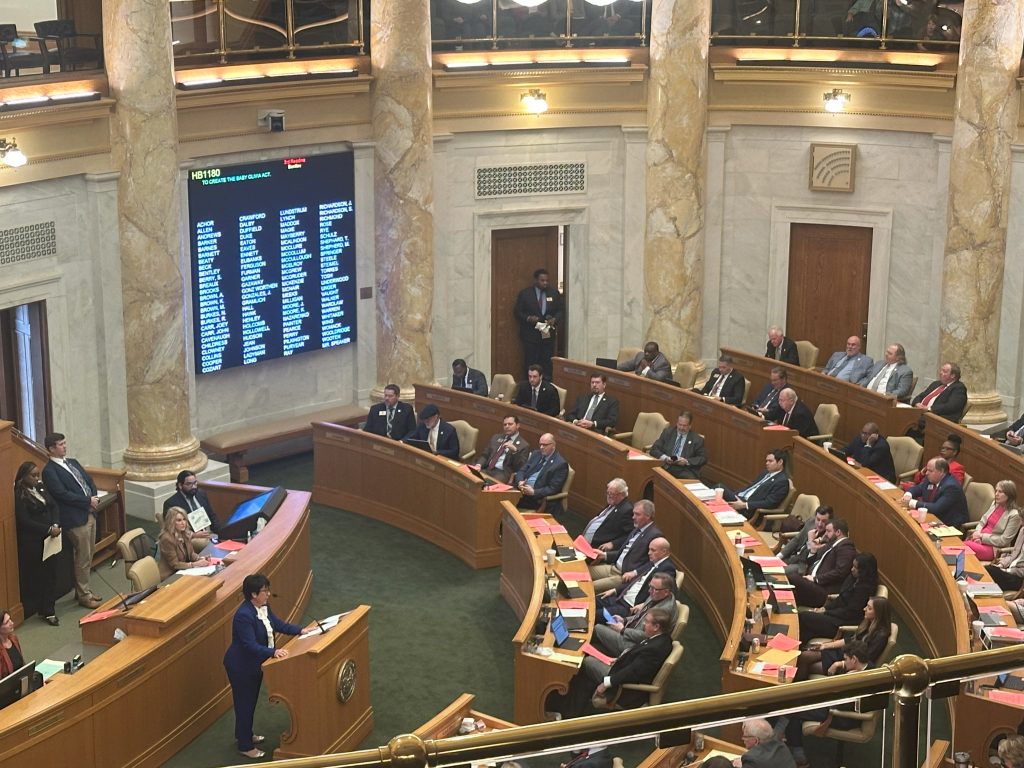
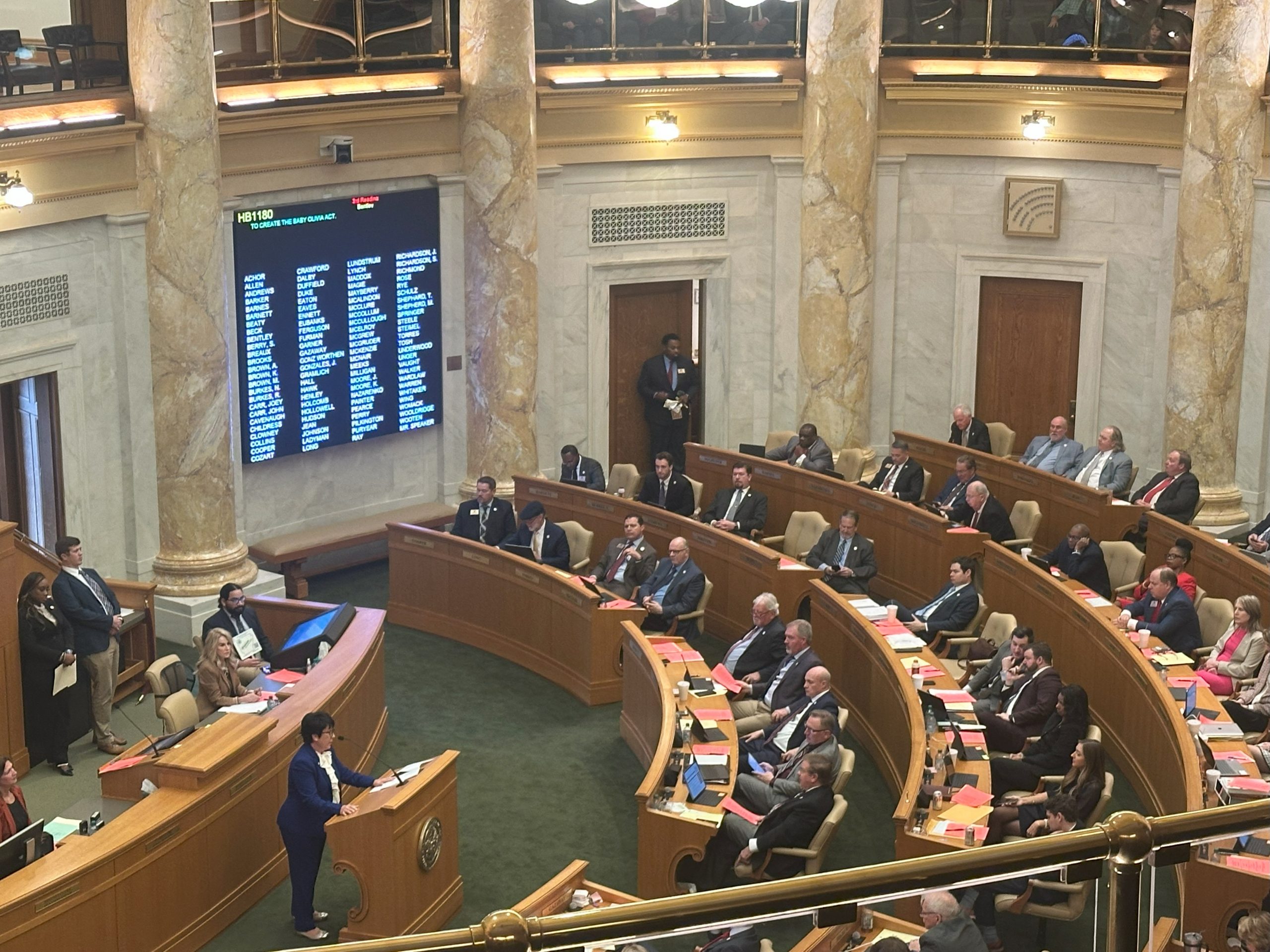
The Arkansas Legislature’s 2026 fiscal session will begin at noon on Wednesday, April 8, and lawmakers have already started pre-filing bills. The Arkansas House and Senate probably won’t pass any new laws, but they will set the State’s budget for the coming year.
We are looking forward to working with our friends at the Capitol on two important issues.
First, since 2022 we have worked with lawmakers to secure appropriations for grants to pregnancy help organizations. These pro-life charities provide material support to women with unplanned pregnancies — often free of charge.
Now that abortion is generally prohibited in Arkansas, we want to make it unthinkable and irrelevant as well. Giving women real options besides abortion is one way we can do that. That’s what makes this grant funding so vital.
Second, lawmakers will review appropriations for the Educational Freedom Accounts (EFAs) created by the 2023 LEARNS Act. The funding for these accounts lets students in Arkansas use public money to pay for an education at a public or private school or at home.
Many families may feel trapped by failing public school systems or by one-size-fits-all approaches to education. For those families, the EFA program offers options that help them and their children thrive.
We plan to work with lawmakers to ensure Arkansas’ EFA program treats home schooled students fairly in the coming year.
Look for more news and information about Arkansas’ 2026 budget session at FamilyCouncil.org.
Articles appearing on this website are written with the aid of Family Council’s researchers and writers.


An organization suing to overturn Arkansas’ pro-life laws in Pulaski County Circuit Court claims that prohibiting abortion violates the right to life.
In 2022, the U.S. Supreme Court overturned Roe v. Wade, and since then Arkansas law has prohibited abortion except to save the life of the mother. Last year the state legislature took excellent steps to strengthen and clarify Arkansas’ pro-life laws.
But in January, attorneys with a pro-abortion group filed a lawsuit in Pulaski County to strike down those good laws. Arkansas Attorney General Tim Griffin told media outlets at the time that the lawsuit on its face appears to have little legal merit. Family Council agrees with the attorney general.
The attorney general’s office has asked the court to dismiss the case. In response, attorneys representing the pro-abortion group filed a brief on Monday making the bizarre argument that Arkansas’ pro-life laws violate the right to life, liberty, and the pursuit of happiness guaranteed under the Arkansas Constitution.
The brief says:
“Arkansans do not lose their fundamental constitutional rights to life, liberty, equality, and the pursuit of happiness simply because they are pregnant. . . .
“As particularly relevant for Patient Plaintiffs, protection of life and liberty ‘encompasses many personal freedoms including the right to enjoy domestic relations and the privileges of family and home.’
“Other state Supreme Courts interpreting similar inherent and inalienable language have concluded it protects pregnant people and that abortion bans violate those fundamental rights.”
There really are no words to describe the irony of arguing in court that the constitutional right to life means abortionists are free to kill unborn children.
It reminds me of something President Ronald Reagan wrote in 1985: “No longer can advocates of abortion deny reality: Abortion is not merely a matter between a woman and her doctor. For when they say that, surely they are forgetting the unborn child whose very life hangs in the balance.”
Arkansas has been named the most pro-life state in America for the past six years, and lawmakers have enacted excellent legislation protecting women and unborn children from abortion and supporting women with unplanned pregnancies.
Public opinion polling has shown time and again that most Arkansans are pro-life and oppose abortion on demand.
Arkansas’ pro-life laws reflect Arkansans’ pro-life views. These laws protect everyone’s right to life — including the unborn child’s.
The U.S. Supreme Court has ruled that states like Arkansas are free to enact laws restricting or prohibiting abortion. We are confident our courts ultimately will uphold Arkansas’ pro-life laws against this legal challenge.
Articles appearing on this website are written with the aid of Family Council’s researchers and writers.