Federal Government Accepting Public Comments on Marijuana Rescheduling

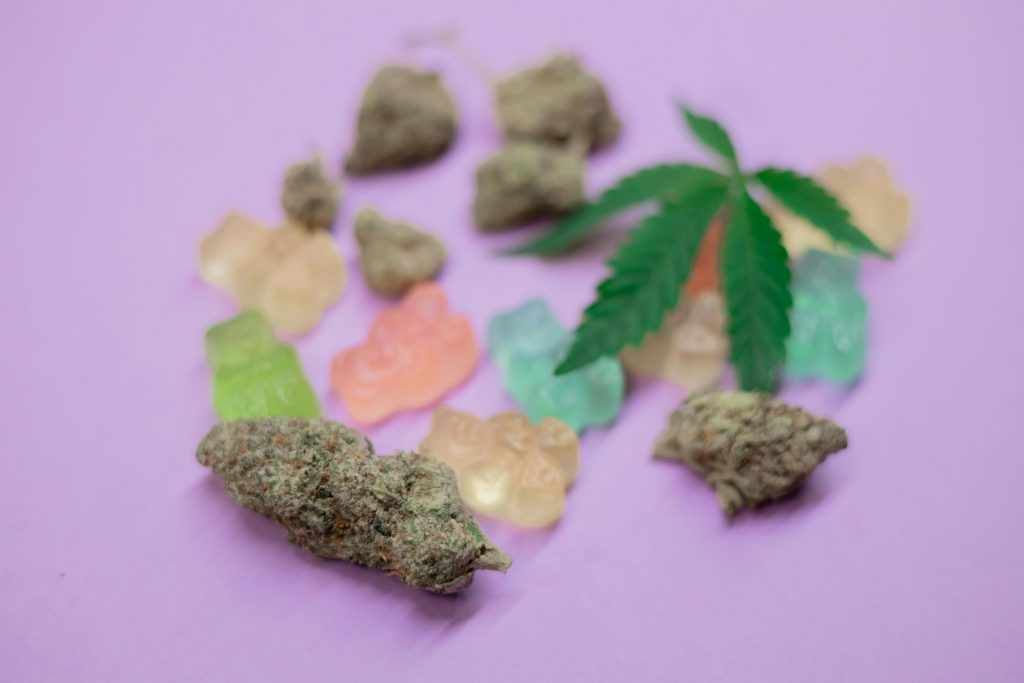
The federal government is accepting public comments on its proposal to redesignate marijuana as a Schedule III Controlled Substance — which would put marijuana in the same category as anabolic steroids or Tylenol with Codeine.

the rule change would not legalize marijuana outright, but it could create more confusion about marijuana’s legal status and make it much easier for people to grow and use marijuana.

The push to reschedule marijuana comes despite growing evidence of marijuana’s serious — and permanent — impact on physical and mental health.

growing body of scientific evidence reveals that marijuana is harmful — especially for teens and young adults. 

Nationwide, since 2019, the number of kids diagnosed with cannabis-induced mental disorders, including schizophrenia and psychotic episodes, has increased by 50%.

And research has shown time and again that marijuana has a significant potential for dependence and abuse.

All of that means that reclassifying marijuana as a Schedule III substance is more than just bureaucratic tinkering.

Christians understand that human beings were made for a higher purpose than getting high, and scientific evidence continues to underscore the harm that marijuana causes to individuals, families, and communities.

Family Council intends to submit public comments opposing the proposal to reclassify marijuana before the July 22 deadline.

You can click here to submit a comment concerning the proposal to reschedule marijuana.

Articles appearing on this website are written with the aid of Family Council’s researchers and writers.


Traffic Stop Nets 120 Pounds of Illegal Marijuana from Out of State

On Sunday Arkansas State Police seized 120 pounds of illegal marijuana on I-40 in Lonoke County.

According to a press released from the ASP, the driver was traveling from Arizona to Delaware.

We have written repeatedly about how marijuana’s legalization in other states has actually fueled the black market rather than weakening it.

California’s Unified Cannabis Enforcement Taskforce seized more than $312 million worth of illegal marijuana in 2023.

Oregon has been inundated by industrial scale marijuana cultivation sites operated illegally by organized crime and drug cartels. Some of these marijuana operations are tied to labor trafficking and violent crime.

Oklahoma authorities describe illicit marijuana as a problem that “plagues” their state.

Right now the group Arkansans for Patient Access is actively working to drastically expand marijuana in Arkansas.

The group has until July 5 to collect 90,704 petition signatures from registered voters to place the marijuana amendment on the ballot.

If passed, the amendment would give free marijuana cards to immigrants and out-of-state residents who come to Arkansas to use marijuana.

The amendment would guarantee marijuana growers and sellers a monopoly over the state’s marijuana industry.

Marijuana users would no longer need to show they suffer from a specific medical condition listed in state law — making it easier to use marijuana recreationally.

The measure also fails to limit the amount of THC that marijuana products can contain, and it repeals restrictions on marijuana advertising.

All of this would lead to more marijuana in the state.

Articles appearing on this website are written with the aid of Family Council’s researchers and writers.

Teens Who Use Marijuana Face 11 Times Higher Risk of Psychotic Disorder: New Study

A study recently published in the journal Psychological Medicine estimates teens who use marijuana are at 11 times higher risk of developing a psychotic disorder compared to teens who do not use marijuana. 

The research suggests the link between marijuana and psychotic disorders might be stronger than previously thought. Earlier studies primarily used older data that examined the effects of weaker marijuana. Experts have noted that marijuana’s potency has surged in recent years — and that marijuana containing high concentrations of THC carry significant health concerns.

Research closely links marijuana use with increased risk for depression and bipolar disorder and to higher rates of schizophrenia in young men.

Frequent marijuana use — especially during adolescence — is associated with lower cognitive abilities, including poorer memory, attention, and learning. These effects may continue even after someone stops using marijuana.

Right now the group Arkansans for Patient Access is actively working to drastically expand marijuana in Arkansas.

The group has until July 5 to collect 90,704 petition signatures from registered voters to place the marijuana amendment on the ballot.

If passed, the amendment would give free marijuana cards to immigrants and out-of-state residents who come to Arkansas to use marijuana.

The amendment would guarantee marijuana growers and sellers a monopoly over the state’s marijuana industry.

Marijuana users would no longer need to show they suffer from a specific medical condition listed in state law — making it easier to use marijuana recreationally.

The measure also fails to limit the amount of THC that marijuana products can contain, and it repeals restrictions on marijuana advertising.

All of this would lead to more marijuana in the state.

This latest research reminds us that marijuana may be many things, but “harmless” simply is not one of them.

Articles appearing on this website are written with the aid of Family Council’s researchers and writers.