Report Shows 40 Women in Arkansas Experienced Complications from RU-486 in 2020
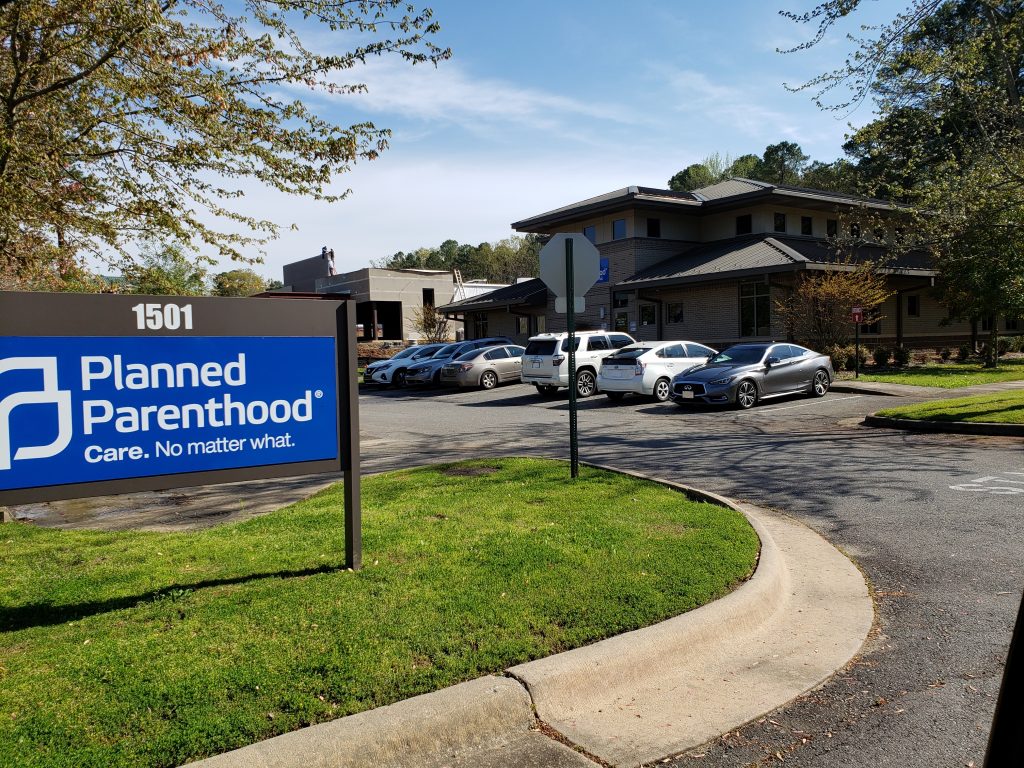
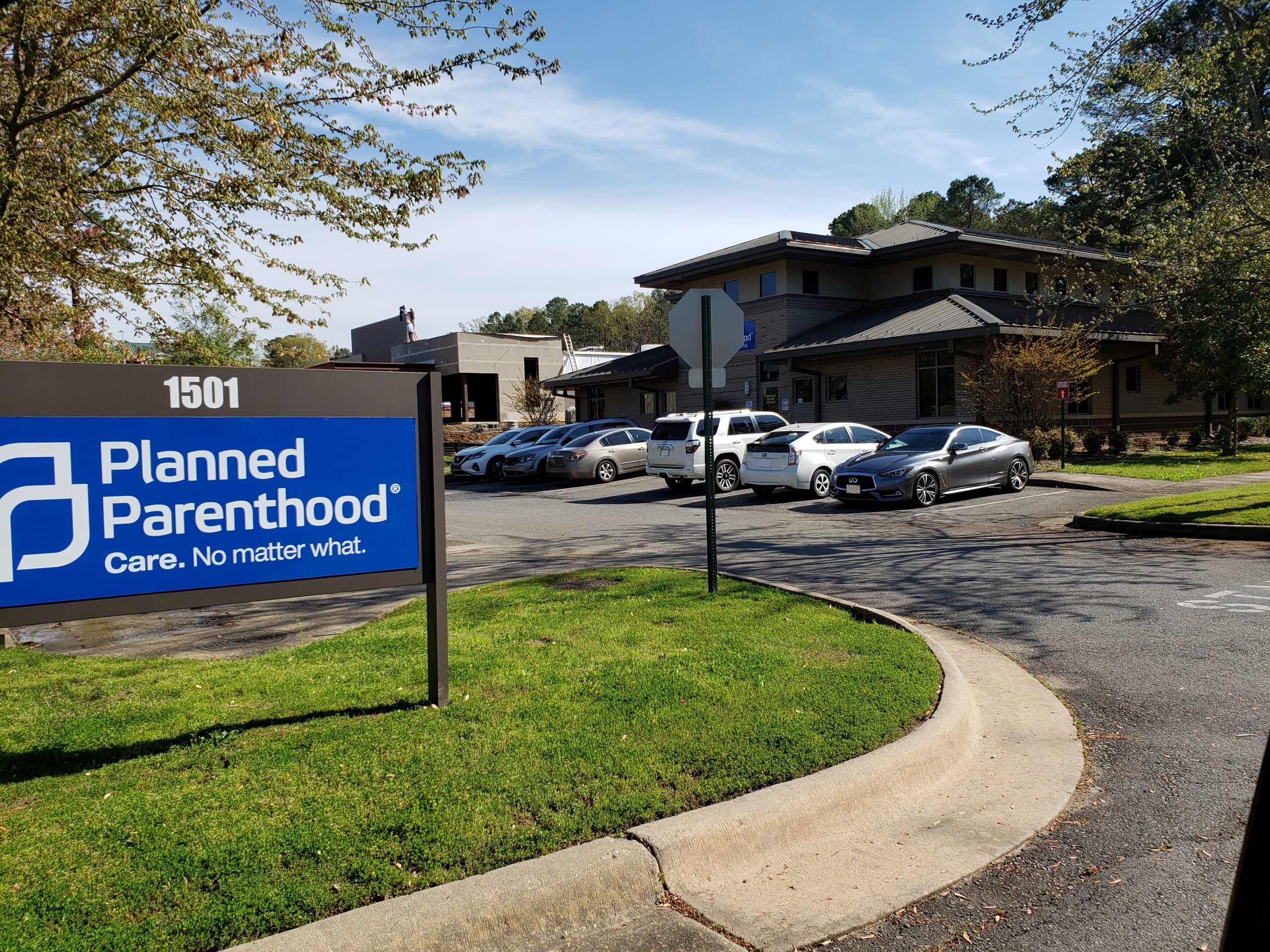
Above: Planned Parenthood’s abortion facility in Little Rock.

On Wednesday the Arkansas Department of Health released its 2020 abortion reports.

Among other things, the Health Department’s documents revealed there were 40 reports of women who experienced complications from the RU-486 abortion drug last year.

The reports do not indicate what specific complications these 40 women experienced from RU-486.

Chemical abortion drugs carry a number of risks and consequences. That’s part of the reason why the Arkansas Legislature passed new restrictions on abortion-inducing drugs during the most recent legislative session.

Act 560 of 2021 by Rep. Robin Lundstrum (R – Springdale) and Sen. Scott Flippo (R – Mountain Home) outlines the informed-consent process for chemical abortion. This will help ensure women get all the facts about chemical abortion — including its risks, consequences, and pro-life alternatives.

Act 562 of 2021 by Rep. Sonia Barker (R – Smackover) and Sen. Blake Johnson (R – Corning) updates Arkansas’ restrictions on abortion-inducing drugs like RU-486. Among other things, it outlines requirements that abortionists must follow in administering abortion-inducing drugs, and it prohibits abortion drugs from being delivered by mail in Arkansas.

Together, these laws will protect women — and unborn children — from dangerous abortion drugs like RU-486.

Act 560 and Act 562 both passed with strong support in the Arkansas Legislature. These latest reports from the Arkansas Department of Health just go to show that our legislators were right to pass these good, pro-life laws.
Abortion in Arkansas Remains Near Historic Lows

FOR IMMEDIATE RELEASE
Wednesday, June 2, 2021

Little Rock, Ark. — On Wednesday the Arkansas Department of Health released its annual reports on the number of abortions performed in the state.

The report shows that 3,154 abortions occurred in Arkansas in 2020.

Family Council President Jerry Cox released a statement saying, “Abortion in Arkansas is near historic lows. Abortion in Arkansas hasn’t been this low since the late 1970s, and Arkansas is the most pro-life state in America according to Americans United for Life. Arkansans are winning the fight against abortion.”

Cox noted that teen abortion remained at an all time low in 2020. “In the 1990s teenagers were among those who were most likely to have an abortion. Today they are some of the least likely to have one. The number of abortions performed in Arkansas has been cut in half since 1991. Overall, the state’s abortion rate has plummeted. That’s all really great news.”

Cox said the reports also show Arkansas’ informed-consent laws have helped women choose options besides abortion. “Arkansas has one of the best informed-consent laws in America. It requires abortionists to give women all the facts about abortion up front, including abortion’s risks, consequences, and alternatives. They also have to give women plenty of time to consider all options before making a final decision. We estimate from these reports that between 500 and 600 women chose not to have abortions last year after receiving this information.”

Cox praised the Arkansas Legislature for enacting good legislation that protects unborn children. “Arkansas’ lawmakers have passed some of the best pro-life laws in the country. Governor Hutchinson has signed every pro-life law that has come across his desk, and Attorney General Leslie Rutledge has defended them in court. This year the state passed several laws that will protect unborn children and give our courts an opportunity to overturn bad decisions like Roe v. Wade. These latest reports simply show that we are winning the fight against abortion in our state.”

###

Texas Passes Pro-Life “Heartbeat Bill” Similar to Arkansas’

This week Texas passed a good, pro-life law prohibiting abortion if the unborn baby’s heartbeat is detected.

It’s similar to a law Arkansas passed a little over eight years ago.

In 2013 the Arkansas Legislature passed S.B. 134 by Sen. Jason Rapert generally prohibiting abortion after the twelfth week of pregnancy if a fetal heartbeat can be detected.

Pro-abortion groups filed a lawsuit to block the state from enforcing this good, pro-life measure.

In the end, the Eighth Circuit Court of Appeals struck most of the law, and the U.S. Supreme Court declined to take up the case.

However, the courts left the law’s informed-consent requirements in place, and some parts of the Eighth Circuit’s ruling actually gave Arkansas a framework for passing additional pro-life legislation in 2015 and 2017.

If Texas’ law is challenged, it’s possible their courts will rule differently and we could all get a pro-life victory out of the case.

All of this underscores that slowly, but surely, we are winning the fight against abortion.