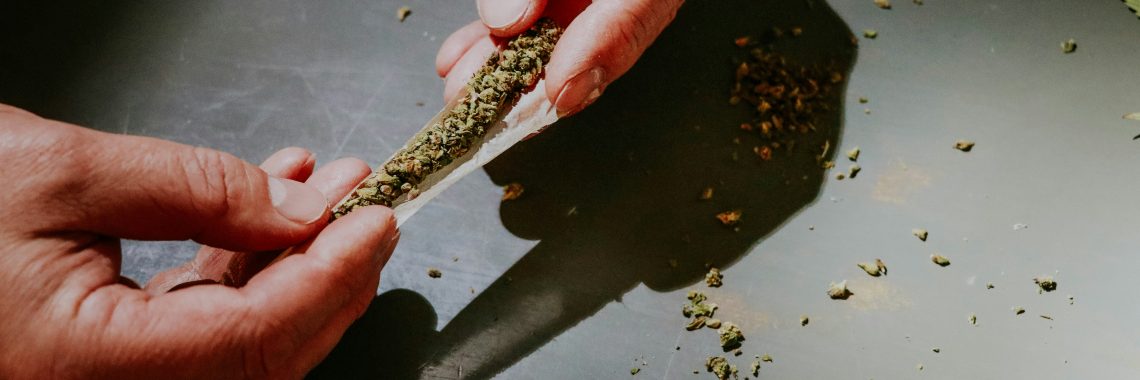
Study Links Marijuana to Lung Cancer Risk

A recent study shows heavy marijuana may be linked to lung cancers.

Across the U.S., many states have legalized marijuana either for “medical” or “recreational” use, but a growing body of scientific research reveals marijuana is actually much more dangerous that many people realize.

A study by researchers from Keck Medicine of USC in Southern California shows heavy marijuana use may increase a person’s risk of developing different lung cancers.

The study’s findings underscore what the American Lung Association has said for years: Marijuana smoke clearly damages the lung, and it contains many of the same toxins and carcinogens found in tobacco.

In 2024, researchers from Keck Medicine also found daily marijuana use is linked to a higher risk of deadly head and neck cancers.

Besides cancer, marijuana has also been tied to a number of deadly heart problems — including heart attack, heart failure, and stroke.

Experts now say marijuana use raises a person’s risk of stroke by 20%, and it doubles a person’s risk of death from heart disease.

Research also links marijuana to a 400% increased risk for developing diabetes.

In Arkansas, marijuana industry insiders worked unsuccessfully to expand marijuana via the state’s ballot initiative process in 2022 and 2024. Fortunately, neither of those bad measures passed.

All of this underscores what we have said for years: Marijuana may be many things, but “harmless” simply is not one of them.

Articles appearing on this website are written with the aid of Family Council’s researchers and writers.

Marijuana May Trigger False Memories: Study

A recent study shows marijuana may actually trigger false memories in users.

Nationwide, many states have legalized marijuana, and in Arkansas “medical” marijuana use has skyrocketed since the COVID-19 pandemic. But a growing body of scientific evidence shows marijuana is harmful.

Researchers at Washington State University published a study in the Journal of Psychopharmacology linking marijuana use to poor memory and recall. The study found “cannabis increased susceptibility to false memories and detrimentally impacted verbal memory.”

This is not the first study to find that marijuana hurts users’ working memory and causes cognitive problems.

High-potency marijuana can trigger serious mental health problems.

troubling study published in JAMA Psychiatry found that cannabis use among people with a history of psychosis “sharply increased” in states where recreational marijuana was legalized. The increase in prior 30-day use was three times higher than in the general population.

Another study from Massachusetts General Hospital showed teen psychiatric emergencies spiked after marijuana commercialization began in the state. Teen marijuana use jumped from 5% to 17.3% in psychiatric emergency cases, while cannabis-related disorders among teens increased from 3.2% to 12.1%.

Heavy marijuana use has also been linked to reduced brain activity.

All of this simply underscores what we have said for years: Marijuana may be many things, but “harmless” simply is not one of them.

Articles appearing on this website are written with the aid of Family Council’s researchers and writers.

The Blunt Truth: Marijuana Isn’t Medicine

New research continues to show that marijuana isn’t medicine.

Nationwide, 24 states have legalized recreational marijuana, and some 40 states — including Arkansas — let healthcare professionals write notes authorizing people to use so-called “medical” marijuana. But a growing body of scientific evidence shows marijuana poses serious health risks.

A major study by The Lancet recently found marijuana fails to effectively treat anxiety, depression, or PTSD.

The findings raise serious concerns, because PTSD is the most common qualifying condition listed among “medical” marijuana users in Arkansas.

Some people suggest marijuana may help people quit using more serious drugs, but researchers found cannabinoids actually increased cocaine cravings among those who struggled with cocaine addiction.

Another recent study led by researchers at Johns Hopkins found young people who suffered from cannabis use disorder were at greater risk of later being diagnosed with a psychiatric disorder.

Researchers analyzing nearly 700,000 medical records found teenagers 17 and under with cannabis use disorder faced a 52% increased risk for schizophrenia and a 30% greater risk for depression, compared to teens with other substance use disorders.

Addiction experts note that marijuana can trigger mental health problems like depression, anxiety, and psychosis.

Time and again, scientific evidence has shown that marijuana is dangerous.

Researchers at the University of Cambridge released a study this year that demonstrates marijuana use raises a person’s risk of stroke by 37%.

THC — the main psychoactive substance in marijuana — has been tied to everything from heart disease and cancer to strokemental illness, and birth defects. Some researchers now believe marijuana use actually doubles a person’s risk of death from heart disease.

And instead of decreasing crime, marijuana’s legalization has actually emboldened drug cartels and increased the flow of illegal drugs across America.

All of this underscores what we have said for years: Marijuana may be many things, but “harmless” simply is not one of them.

Articles appearing on this website are written with the aid of Family Council’s researchers and writers.