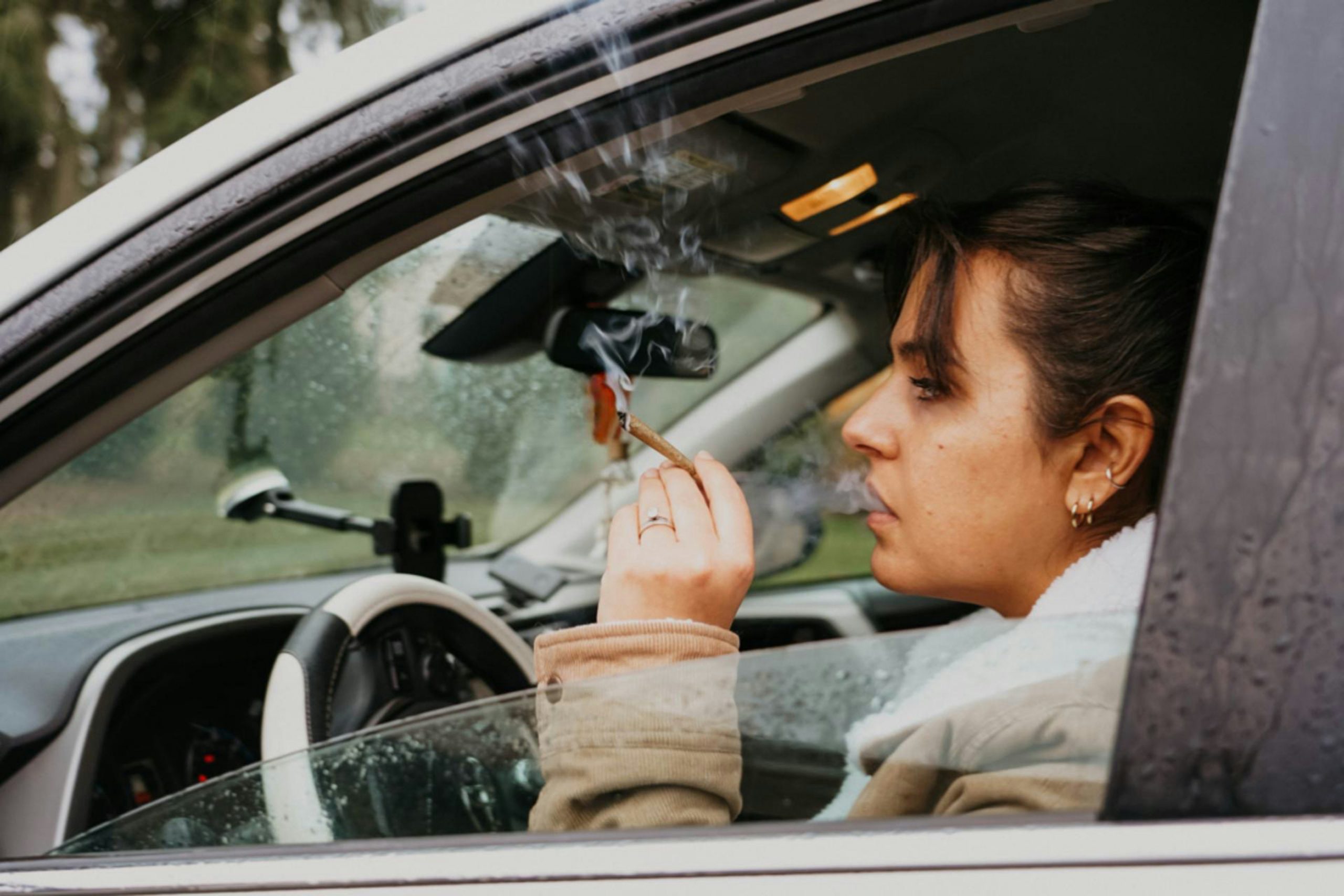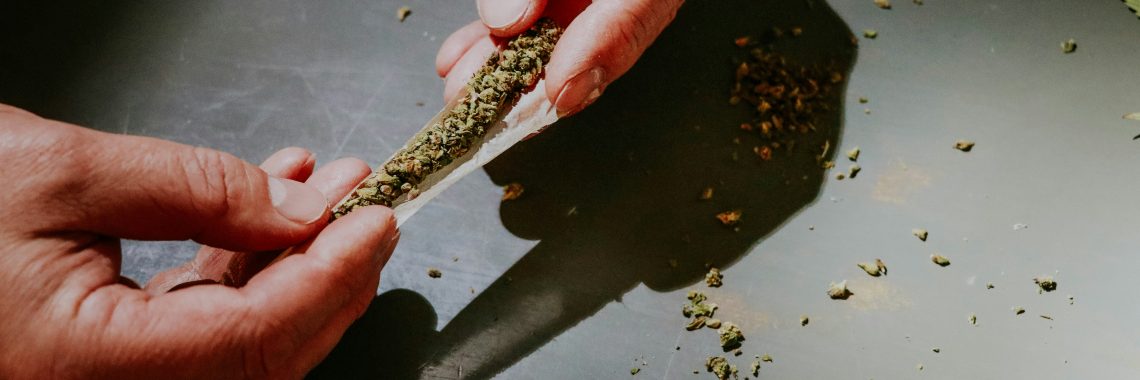
New York Times Finally Admits America Has “a Marijuana Problem”

The editorial board at The New York Times recently published a stunning admission titled, “It’s Time for America to Admit That It Has a Marijuana Problem.”

The editorial column acknowledges that widespread marijuana use has created serious public health and safety concerns across the country. Along the way, oversight and regulation have failed in states that have legalized marijuana.

The editors acknowledge that they supported legalization in 2014, writing:

At the time, supporters of legalization predicted that it would bring few downsides. In our editorials, we described marijuana addiction and dependence as “relatively minor problems.” Many advocates went further and claimed that marijuana was a harmless drug that might even bring net health benefits. They also said that legalization might not lead to greater use.

It is now clear that many of these predictions were wrong.

As the editors point out, the numbers tell a sobering story. About 18 million Americans now use marijuana almost daily — that’s triple the number from just over a decade ago. If these frequent users formed their own state, it would be nearly six times the population of Arkansas.

Yale reports roughly 30% of current cannabis users now meet the criteria for addiction. Researchers writing in JAMA found nearly one in three “medical” marijuana users may suffer from cannabis use disorder.

THC — the main psychoactive substance in marijuana — has been tied to everything from heart disease and cancer to strokemental illness, and birth defects.

In fact, researchers now say marijuana use doubles a person’s risk of death from heart disease.

And contrary to popular belief, legalization in other states has actually emboldened drug cartels and increased the flow of illegal drugs across the country.

It’s good to see The New York Times finally acknowledge that America has a marijuana problem.

All of this underscores what we have said for years: Marijuana may be many things, but “harmless” simply is not one of them.

Articles appearing on this website are written with the aid of Family Council’s researchers and writers.
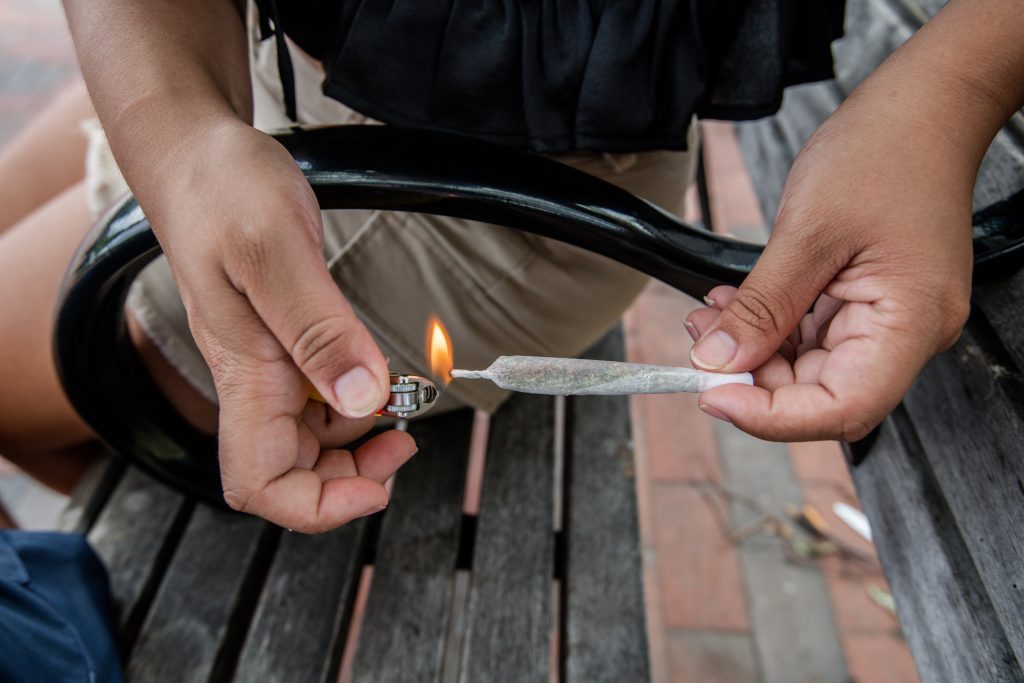
California Authorities Shut Down Four Illegal Marijuana Dispensaries in Major Raid

California authorities shut down four illegal marijuana dispensaries and arrested nine people in a coordinated raid that seized hundreds of pounds of illegal drugs.

The Kern County Sheriff’s Office led the February 12 operation in Rosamond, California, working with multiple state and federal agencies.

Officers seized 330 pounds of processed marijuana, 212 pounds of THC edibles, 324 pounds of THC concentrates, over 3,000 vape cartridges, and 46 pounds of psilocybin mushrooms and edibles.

Contrary to popular belief, marijuana legalization in California and elsewhere has actually emboldened drug cartels and contributed to the spread of illegal marijuana on the black market.

California has seized more than $1.2 billion in illegal cannabis since 2022. In Maine, authorities have said there are hundreds of illegal growing operations connected to Chinese organized crime groups. Oklahoma’s lax marijuana laws have created similar issues, with law enforcement alleging that 40% of America’s black market marijuana has come from legal grow sites in Oklahoma. And Arkansas State Police routinely confiscate marijuana from these states.

Despite promises of regulation, oversight, and tax revenue, states that have legalized marijuana still battle organized crime, black market operations, and public safety threats.

Arkansans should remember all of this when it comes to any proposals to expand marijuana. Marijuana may be many things, but “harmless” simply is not one of them.

Articles appearing on this website are written with the aid of Family Council’s researchers and writers.
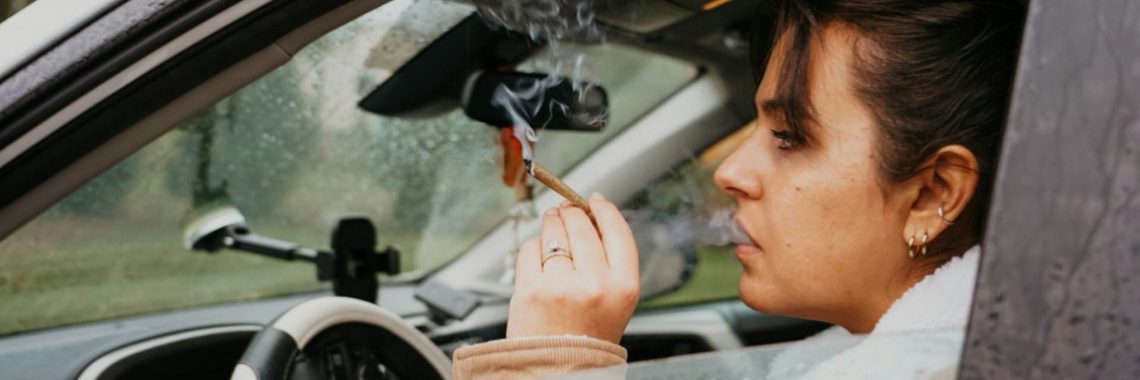
Revisiting Marijuana’s Mental Health Crisis

Marijuana legalization is creating a mental health emergency among America’s most vulnerable populations.

A troubling study published in JAMA Psychiatry found that cannabis use among people with a history of psychosis “sharply increased” in states where recreational marijuana was legalized. The increase in prior 30-day use was three times higher than in the general population.

This is especially alarming because high-potency marijuana can trigger serious mental health problems.

Another study from Massachusetts General Hospital showed teen psychiatric emergencies spiked after marijuana commercialization began in the state. Teen marijuana use jumped from 5% to 17.3% in psychiatric emergency cases, while cannabis-related disorders among teens increased from 3.2% to 12.1%.

Today’s marijuana is not the same drug from decades past. Modern marijuana — and the drugs and extracts made from it — is far more dangerous. High-potency marijuana can contain 15% to 30% THC, sometimes even 60% THC, compared to just 3% THC in marijuana from the 1960s.

Arkansans should learn from experiences in other states when it comes to marijuana’s legalization and expansion.

All of this simply underscores what we have said for years: Marijuana may be many things, but “harmless” simply is not one of them.

Articles appearing on this website are written with the aid of Family Council’s researchers and writers.