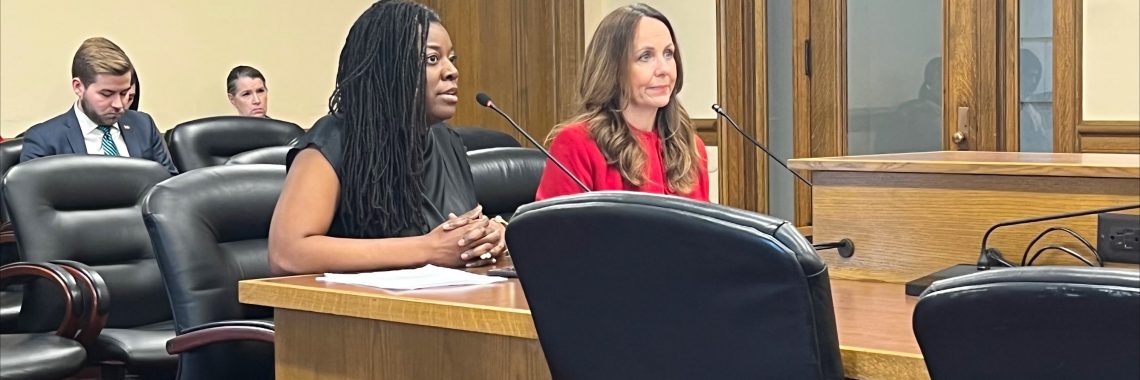
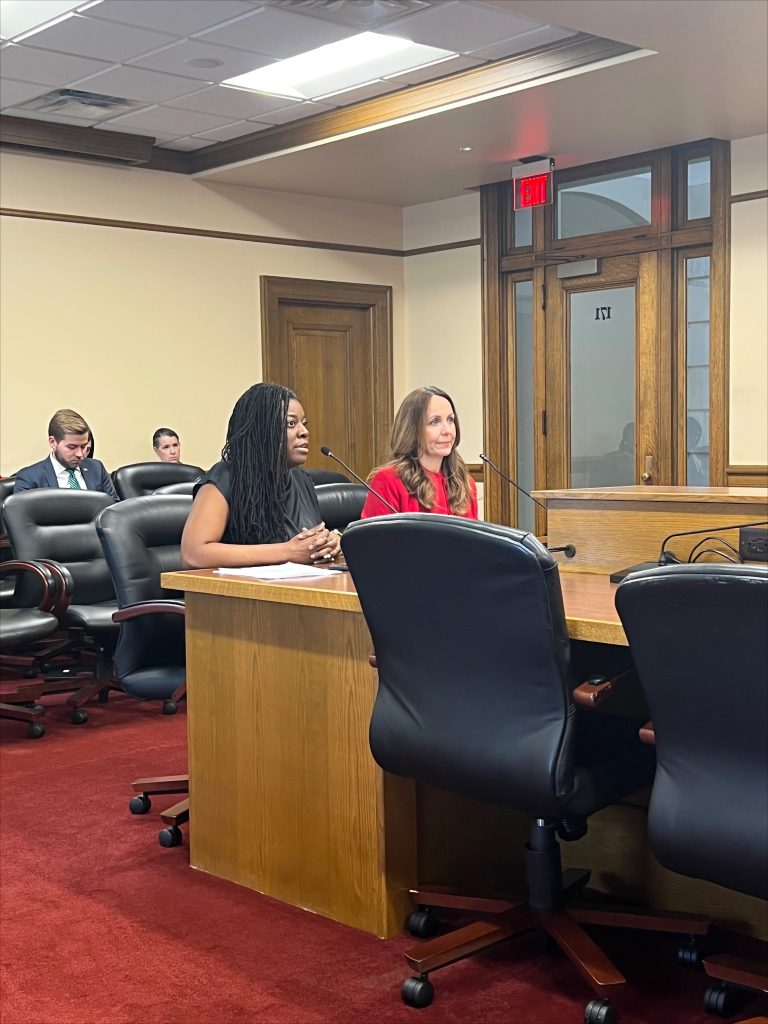
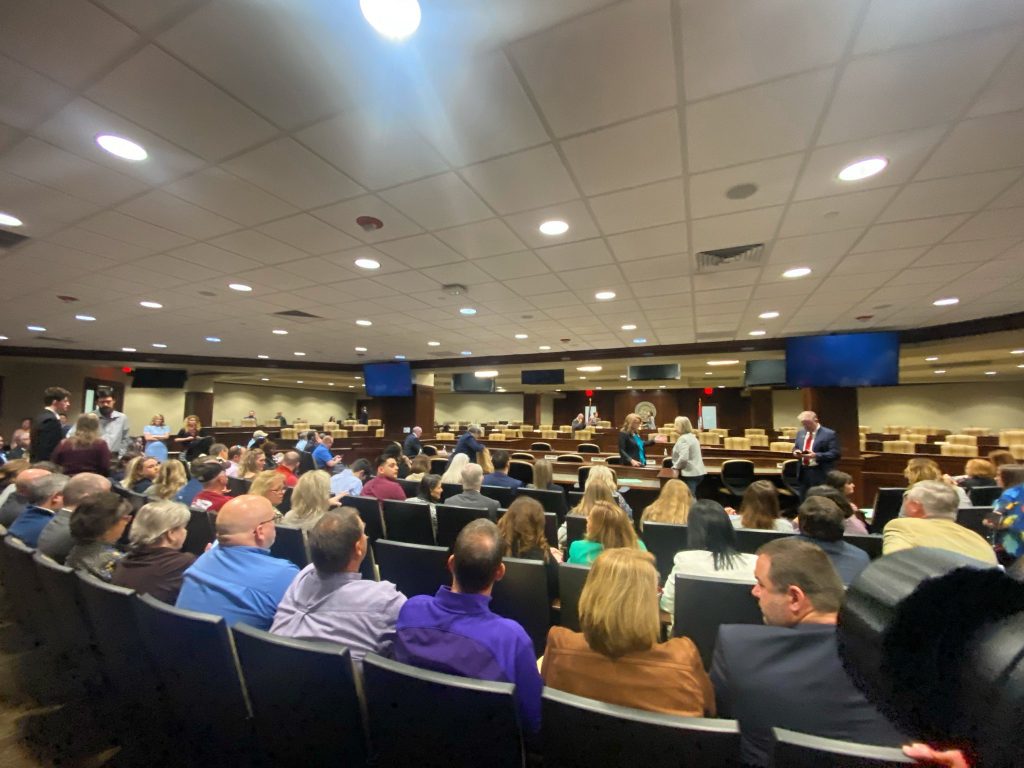
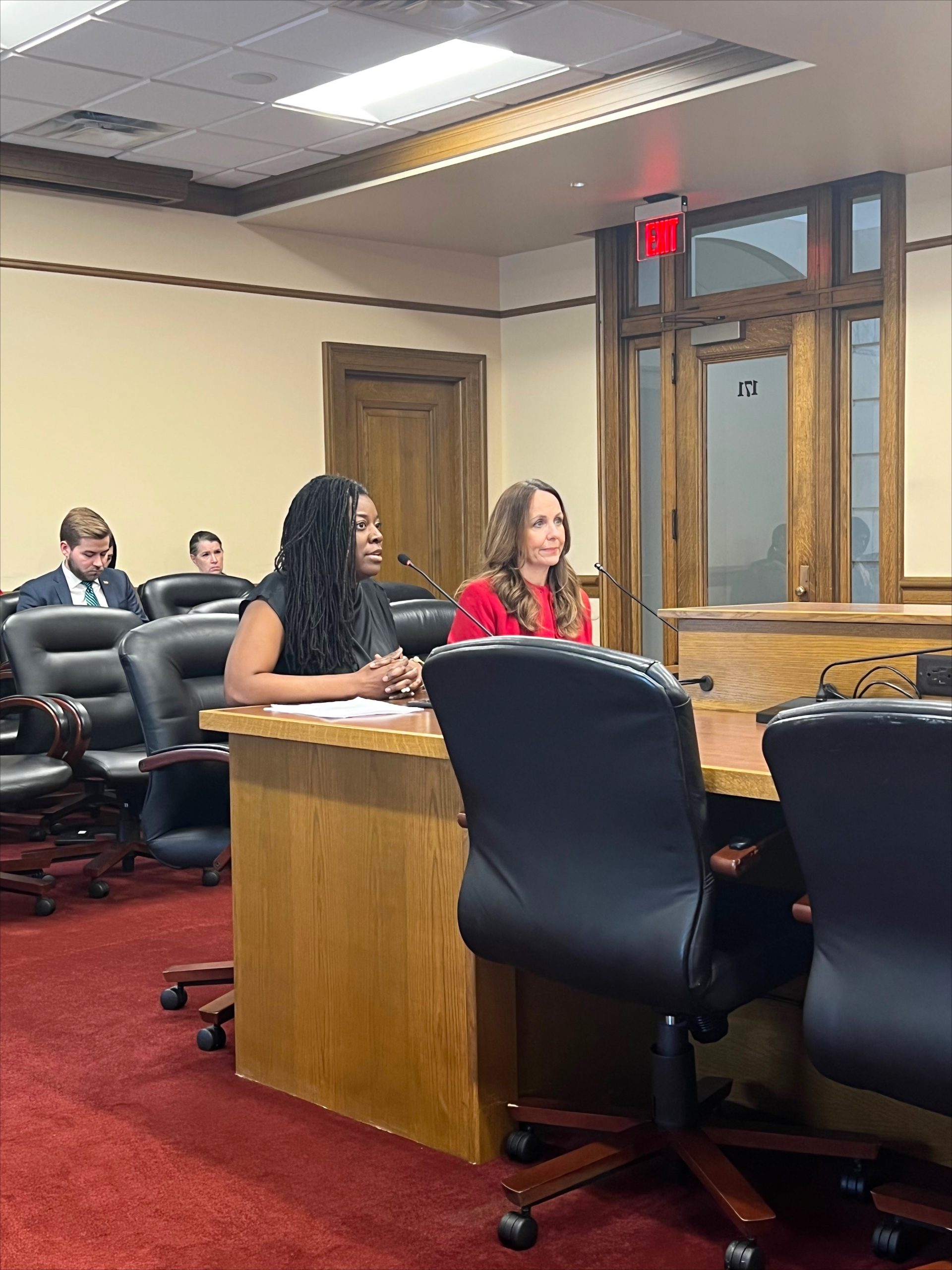
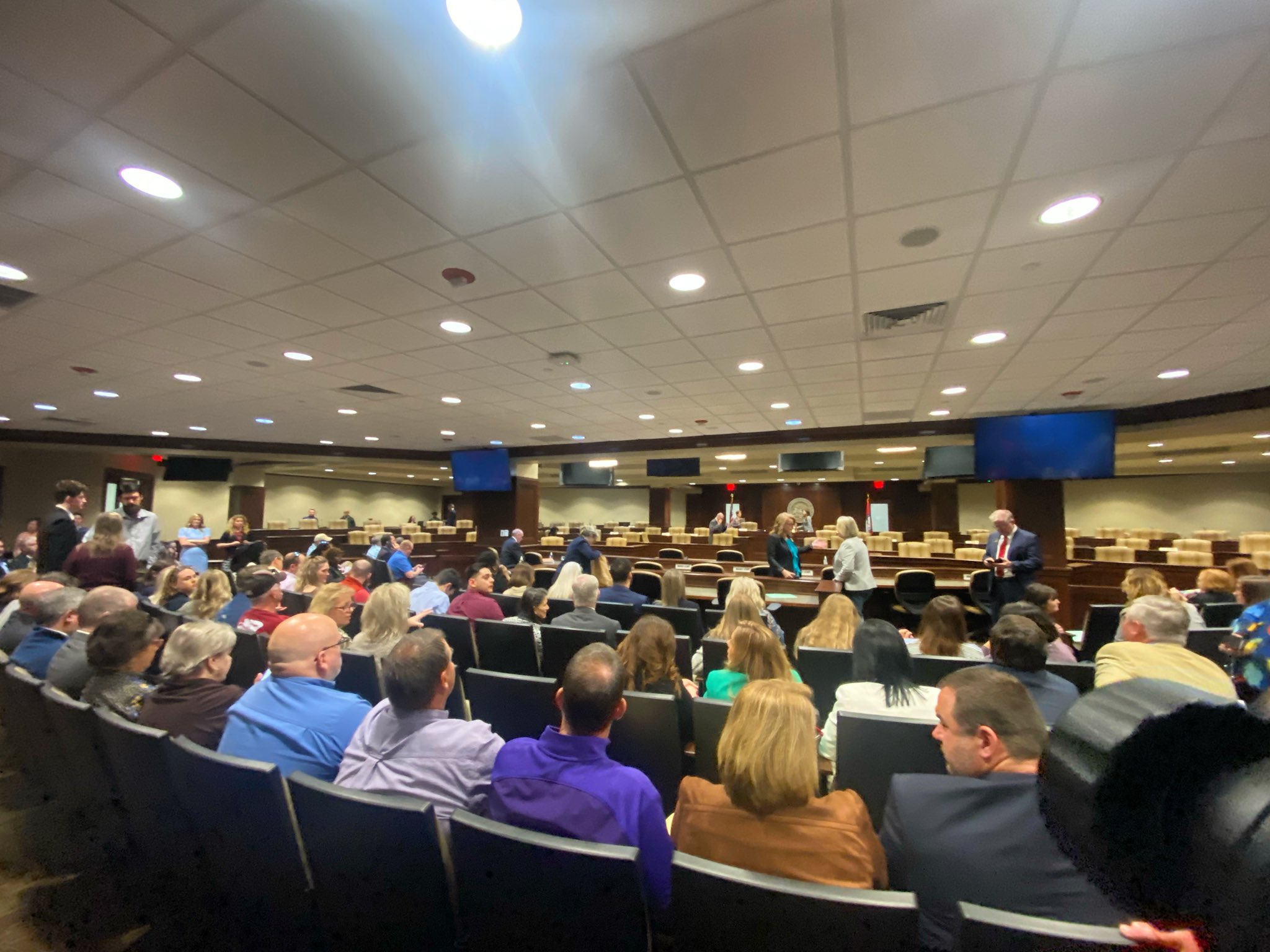
S.B. 294, the LEARNS Act, is in the House Education Committee at the Arkansas Legislature today.
The LEARNS Act is an omnibus education measure that Gov. Sanders and members of the General Assembly filed last week.
The bill already has passed in the Arkansas Senate.
Most of the testimony and debate about the LEARNS Act has focused on the school choice element.
The bill creates a framework that the State Board of Education will use to implement school choice in Arkansas between now and 2025. Families would have the option of using state dollars to educate their children at a public or private school or at home.
School choice is only one element of the LEARNS Act.
Here are some other issues the LEARNS Act addresses.
Teacher Pay, Hiring, and Dismissal
Much of the LEARNS Act overhauls Arkansas law when it comes to hiring, paying, and dismissing teachers at public schools.
The changes are extensive, but here are a few key elements from the LEARNS Act:
Among other things, the bill repeals and replaces the Teacher Fair Dismissal Act of 1983 and related laws.
It sets the base salary for public school teachers at $50,000.
It outlines ways that educators can receive bonuses or incentives for their work.
Besides addressing the issue in state law, the LEARNS Act generally empowers the State Board of Education and local school boards to make policies regarding hiring, paying, and dismissing teachers.
Critical Race Theory in Public School
Pages 20 and 21 of the LEARNS Act deal with critical race theory at the Arkansas Department of Education and in Arkansas’ public schools.
The bill requires the Arkansas Secretary of Education to review all policies to be sure that indoctrination — including critical race theory — is prohibited and that no public school employee or public school student is required to attend training or orientation that is based on critical race theory or other prohibited indoctrination.
The bill authorizes the State Board of Education to promulgate rules regarding this point.
Child Sex Abuse and Human Trafficking Prevention
Page 22 of the LEARNS Act says that the Arkansas Department of Education’s Division of Elementary and Secondary Education will enhance or adapt curriculum to help public schools provide instruction about detecting and preventing child sexual abuse and human trafficking.
The bill requires the curriculum to be incorporated into the Department of Education’s standards for Health and Safety and Physical Education standards, and it must be age-appropriate for instruction in grades K – 12.
The LEARNS Act lets parents or guardians review this curriculum before it is taught to their children, and parents may exempt their children from the curriculum if they want.
Each public school also is required to implement a child sex abuse and human trafficking prevention program that complies with Arkansas Department of Education standards.
Inappropriate Sexual Material in Public School
Page 23 of the LEARNS Act prohibits sexual material in classroom instruction before fifth grade.
This includes instruction regarding sexual intercourse, sexual reproduction, sexual orientation, and gender identity.
This component of the LEARNS Act is similar to legislation enacted in Florida and elsewhere addressing inappropriate sexual material in elementary schools.
Delegating to The State Board of Education
Throughout the LEARNS Act, the bill delegates authority to the State Board of Education.
The LEARNS Act writes important points into state law, but it relies heavily on the State Board of Education to carry out the intent of the LEARNS Act.
If the LEARNS Act passes, the State Board of Education will make rules about things like:
- How public schools hire, fire, and pay their faculty.
- Prohibiting critical race theory and other forms of indoctrination in public schools.
- How to address child sex abuse and human trafficking in the classroom.
- Keeping inappropriate sexual material out of public schools.
- How private schools, education service providers, and students opt into the LEARNS Act’s school choice program.
- How home schoolers may opt into the school choice program.
The LEARNS Act delegates a great deal of authority to the State Board of Education. That means the LEARNS Act is important, but the serious debate over school choice — and other aspects of the LEARNS Act — will take place at the State Board of Education in the coming months.
The State Board of Education will propose the rules implementing the LEARNS Act, and lawmakers and the public will then be able to have a say about what the State Board of Education proposes.
We look forward to being part of that rulemaking process at the State Board of Education.
Articles appearing on this website are written with the aid of Family Council’s researchers and writers.
READ MORE