Pennsylvania Town Issues Citation Against Local Churches Providing Food, Counseling to Community
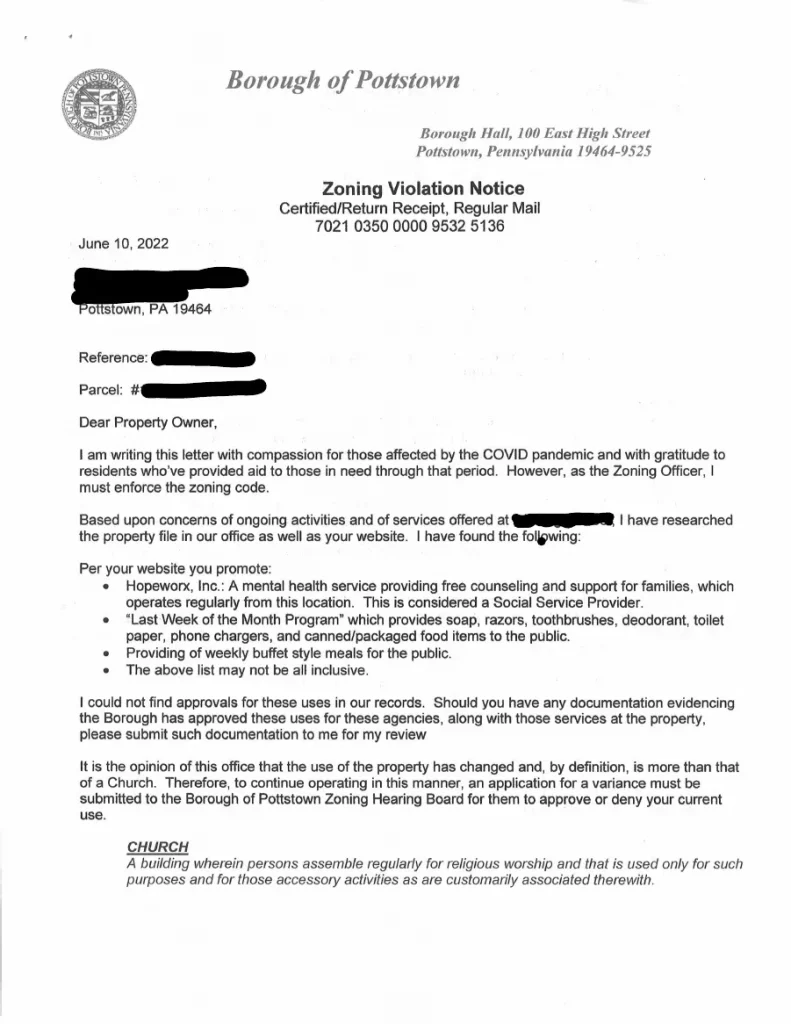
Public officials in the Philadelphia suburb of Pottstown, Pennsylvania, recently issued a citation against two churches operating ministries in their community.

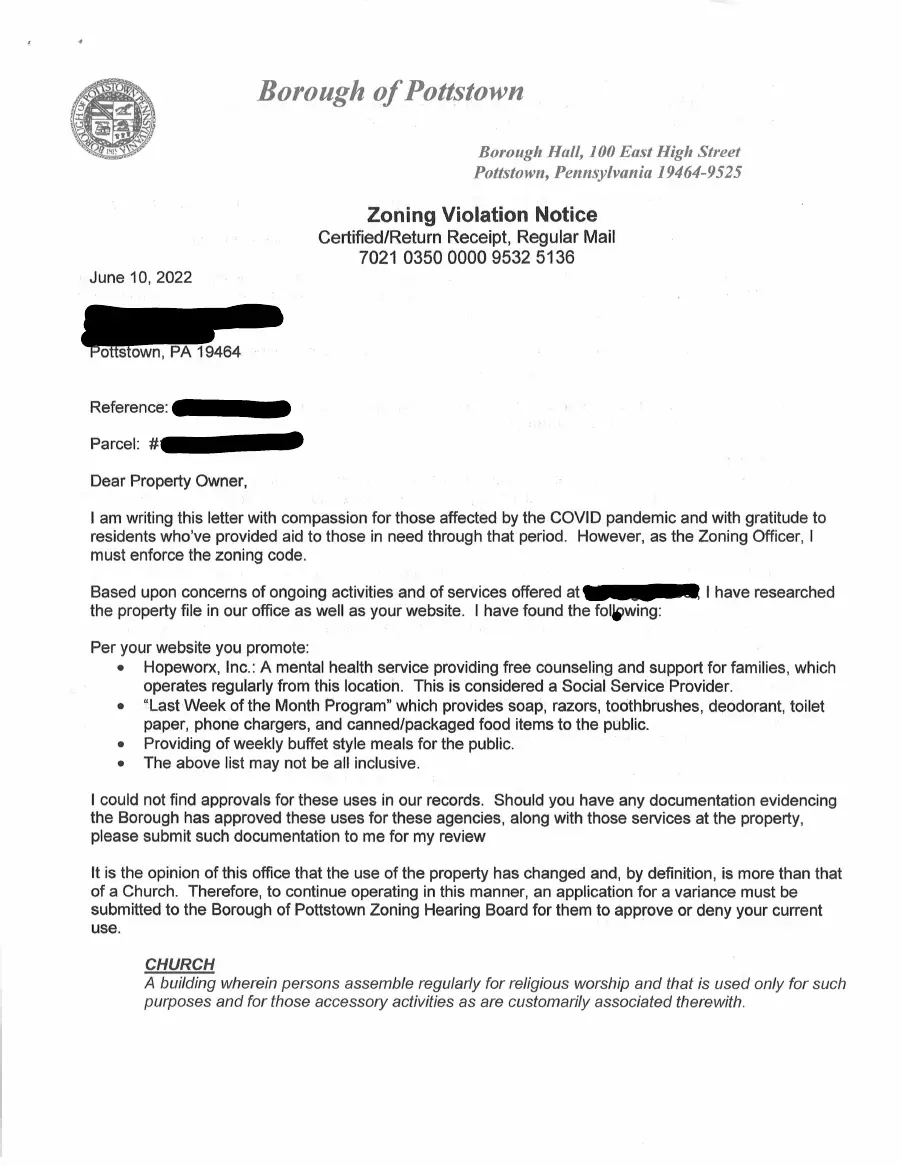
NPR affiliate WHYY reports that the churches were cited for violating the city’s zoning code by offering free meals and providing mental health services.

The Pottstown Zoning Officer reportedly cited an Episcopal church and a United Methodist church for the violations.

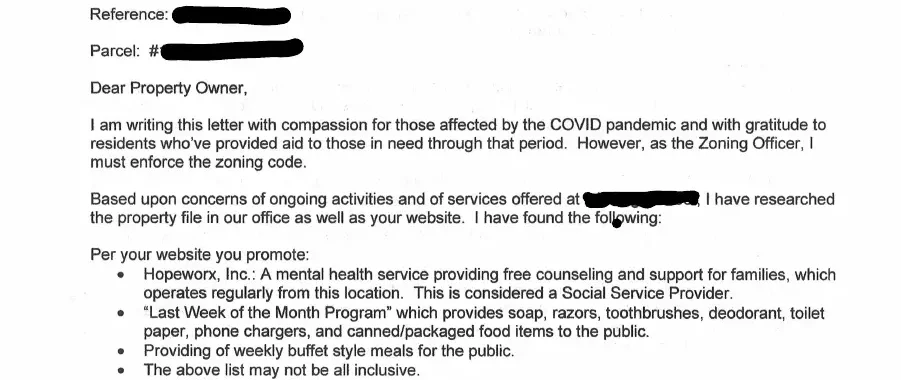
“Violations” listed on the citation include:

  • Providing free counseling and support for families.
  • Providing soap, razors, toothbrushes, deodorant, toilet paper, phone chargers, and canned goods to the public.
  • Providing weekly buffet style meals for the public.

The citation draws from the city zoning code that defines a church as “A building wherein persons assemble regularly for religious worship and that is used only for such purposes and for those accessory activities as are customarily associated therewith.”

The citation gave the ministries 30 days to apply for a zoning permit with the city or cease and desist these services.

If the churches failed to do so, they could be fined up to $500. The Episcopal News Service reports that the churches do not intend to stop the programs or apply for additional permits.

Churches should not be threatened with fines simply for giving food and basic necessities to the needy.

Stories like this one underscore why it is so important for states to safeguard the free exercise of religion.

In 2016 the Arkansas Department of Health told a Carroll County food ministry that it could not serve soup to the homeless unless the soup was “prepared in an institutional kitchen and served in the same building.”

Fortunately, a religious freedom restoration law the Arkansas Legislature passed in 2015 helped protect that ministry.

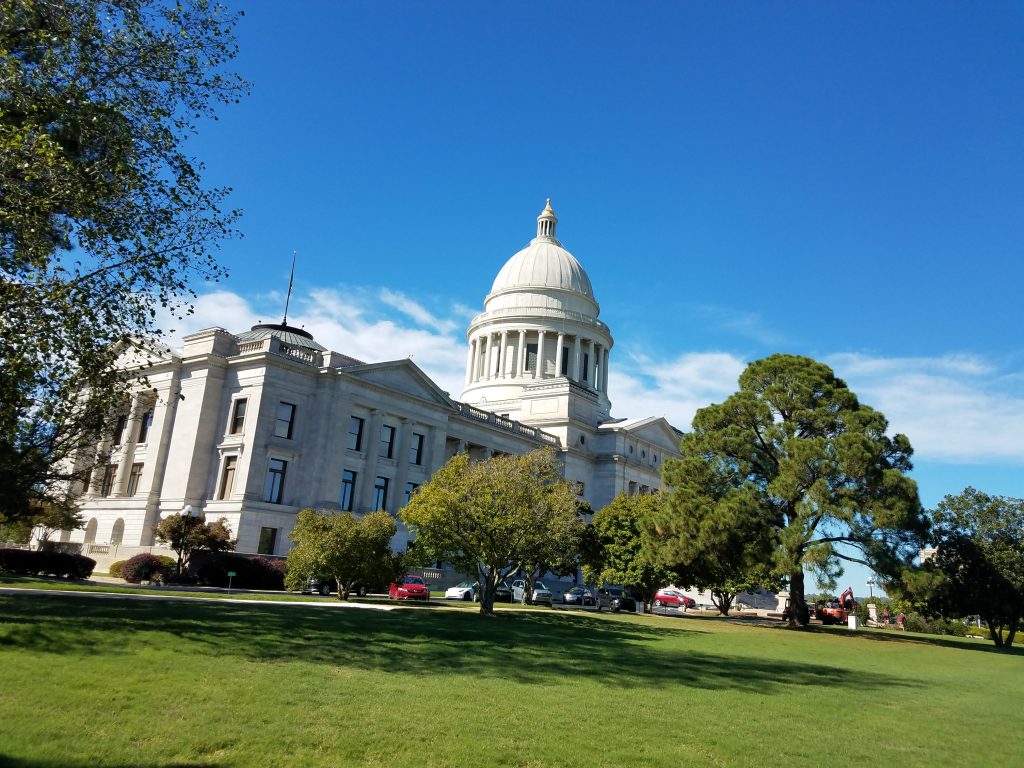
Last year the Arkansas Legislature voted to place the Arkansas Religious Freedom Amendment on the 2022 ballot. If passed, it would enshrine many of the same religious liberty protections from the 2015 law into the Arkansas Constitution.

You Can Learn More About the Arkansas Religious Freedom Amendment Here.
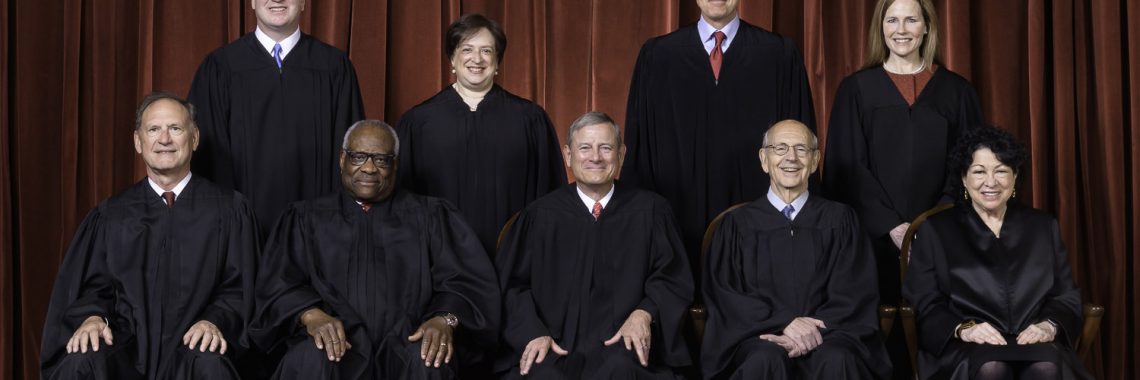
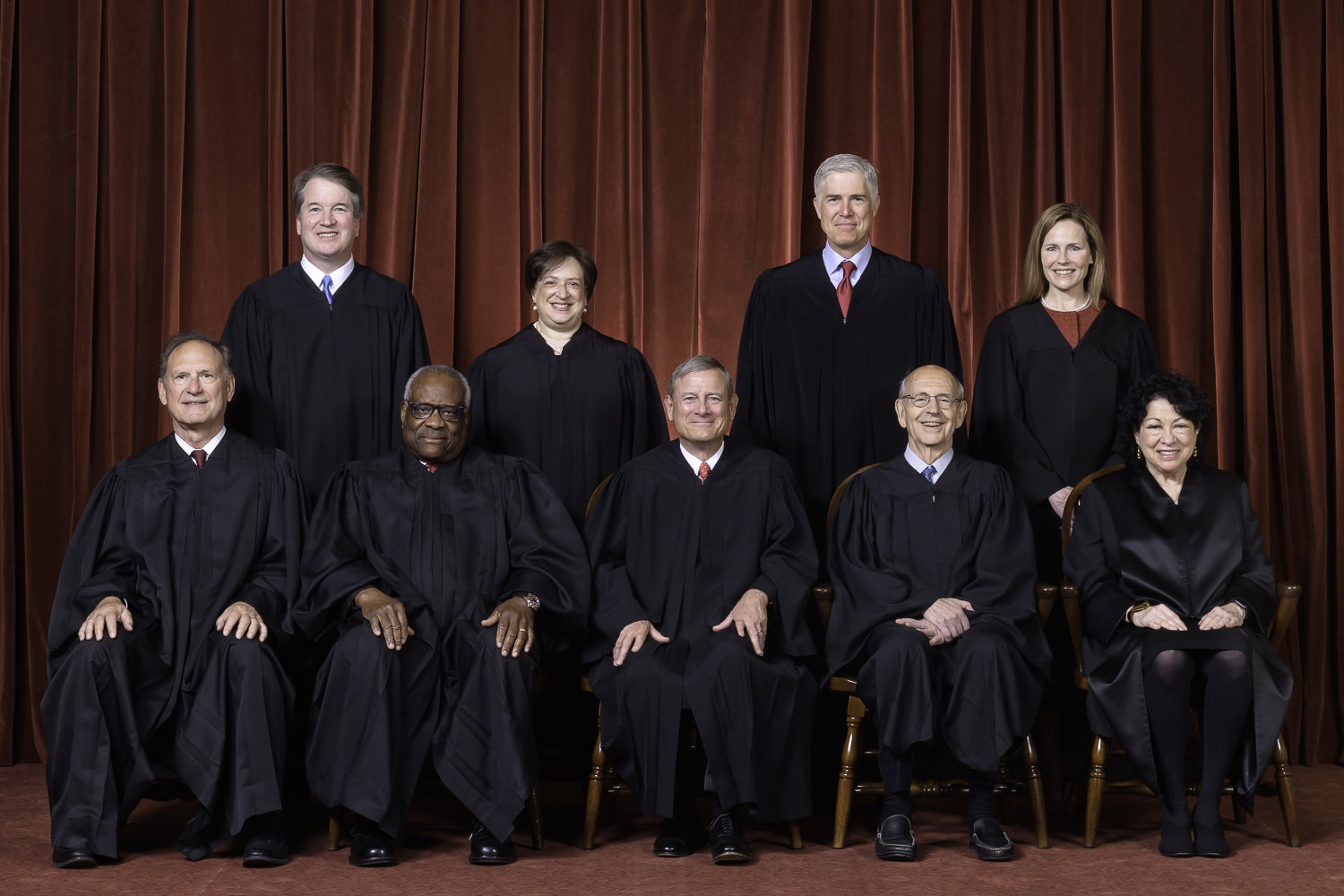
Family Council Joins Amicus Brief Filed With U.S. Supreme Court

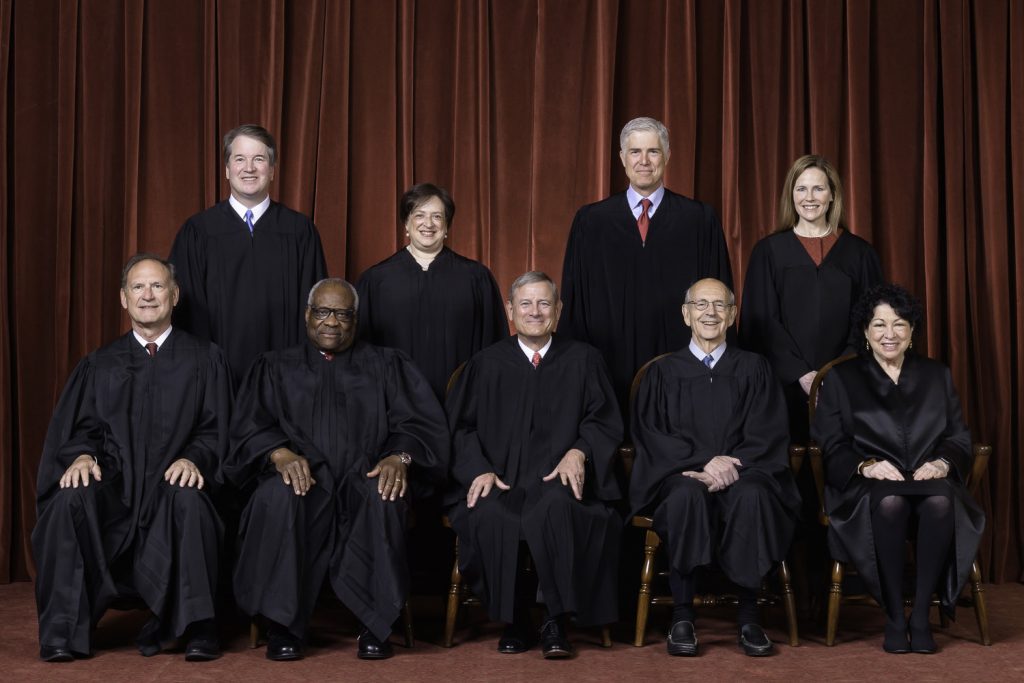
Last week Family Council joined 14 other pro-family organizations from across the country in filing an amicus brief with the U.S. Supreme Court.

The brief is part of an important lawsuit regarding free speech and religious liberty.

The case — 303 Creative LLC v. Elenis — has to do with a Colorado graphic designer named Lorie Smith. Lorie believes that marriage ought to be the union of one man and one woman, but the state is requiring Lorie to create designs that violate her beliefs about marriage.

The situation similar to Colorado baker Jack Phillips’ case from a few years ago.

Lorie’s case is currently before the U.S. Supreme Court.

Nobody should be forced to say something they don’t believe is true. Everyone should be free to say what they believe without fear of government punishment. Free speech, the free exercise of religion, and rights of conscience are woven into the very fabric of our nation.

That is part of the reason why Family Council chose to join other pro-family groups in filing an amicus brief in support of Lorie before the U.S. Supreme Court.

The amicus brief notes,

In this case, there is no real question that the petitioner, Lorie Smith, is engaged in speech. She’s a graphic artist, and the court below clearly and unequivocally stated that her “creation of wedding websites was pure speech.” Instead, the question is when and whether a state’s nondiscrimination law can overpower Ms. Smith’s rights of conscience and force her to say things she does not believe. . . .

For this artist, a same-sex union does not represent God’s plan for marriage, and it is thus wrong for her to lend her talents to celebrate a union that her religious beliefs reject. She does not refuse to serve gay customers. She only refuses to use her talents to celebrate or transmit messages that she finds morally objectionable.

The brief goes on to outline past court rulings that affirmed free speech and rights of conscience — and how those rulings should protect Lorie’s right to live and operate her business according to her convictions.

In America, you shouldn’t have to give up your freedoms in order to make a living. Lorie should be able to run her graphic design business without having to violate her conscience.

If the U.S. Supreme Court upholds Lorie’s rights, that’s good for everyone.

Oral arguments in the 303 Creative case are expected sometime this fall, and the U.S. Supreme Court will issue a ruling sometime after that.

You can read a copy of the amicus brief Family Council joined here.

Articles appearing on this website are written with the aid of Family Council’s researchers and writers.

FRC Action Endorses Arkansas Religious Freedom Amendment

On Wednesday FRC Action in Washington, D.C., issued a statement endorsing the proposed Arkansas Religious Freedom Amendment.

FRC Action is the legislative affiliate of Family Research Council.

In a nutshell, the proposed amendment to the Arkansas Constitution would:

  • Guarantee that state and local laws will not infringe religious liberty.
  • Enshrine protections for religious freedom into the Arkansas Constitution.
  • Provide people with legal recourse if the government infringes their religious freedoms.
  • Maintain balance in situations in which religious liberty conflicts with a compelling governmental interest.

Voters will decide whether or not to add the amendment to the Arkansas Constitution on Election Day this November.

Below is a copy of FRC Action’s statement endorsing the amendment.

This November, you will have the opportunity to make the Arkansas Religious Freedom Restoration Act part of the state constitution by referendum during the 2022 elections. Vote YES on this state ballot initiative to protect religious freedom in Arkansas!

Religious Freedom Restoration Acts (or RFRAs) are nothing new. More than half of the states have them by statute or by court precedent, but we know that religious liberty is under attack as never before. RFRAs simply prohibit the government from burdening religious freedom unless the government meets a high level of legal scrutiny. RFRAs give courts a tried-and-true balancing test for weighing a person’s sincerely held religious beliefs against legitimate state interests, protecting everyone with a conscience regardless of their religion, political views, the content of their beliefs, or how they apply those beliefs.

Arkansas passed a RFRA in 2015, and—despite the ACLU’s disingenuous advocacy—the sky hasn’t fallen: Discrimination isn’t rampant in in Arkansas, because courts know how to apply this balancing test very well. The Arkansas Religious Freedom Amendment would make Arkansas’ current law permanent. By enshrining protections for religious freedom into the Arkansas Constitution, the amendment would guarantee that (no matter who takes office in Little Rock in the future) state and local laws will not infringe religious liberty, provide people with legal recourse if the government infringes their religious freedoms, and maintain balance in situations in which religious liberty conflicts with a compelling governmental interest.

This November, vote YES on this amendment to ensure that the religious freedom of Arkansans is clearly protected for decades to come!

Click here to learn more.

Family Council has analyzed the Arkansas Religious Freedom Amendment and provided information about it on our website. You can find that information here.