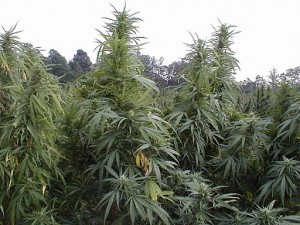
 It isn’t just “reefer madness.” Multiple scientific studies and reviews conducted over the past decade–particularly in the past couple of years–are showing a clear connection between marijuana-use during adolescence and the development of schizophrenia in adulthood.
A 2002 study published in the British Medical Journal followed up research showing a connection between adolescent cannabis-use and schizophrenia. The study examined whether marijuana causes schizophrenia in adulthood or people who choose to use marijuana as adolescents are already predisposed toward developing schizophrenia later in life. The study concluded, “cannabis use is associated with an increased risk of experiencing schizophrenia symptoms, even after psychotic symptoms preceding the onset of cannabis use are controlled for, indicating that cannabis use is not secondary to a pre-existing psychosis….early cannabis use (by age 15) confers greater risk for schizophrenia outcomes than later cannabis use (by age 18).”1
The study conceded researchers needed to examine the topic more thoroughly, and in the 11 years since that is exactly what scientists have done.
In 2010, research published in the British Journal of Pharmacology stated, (more…)
READ MORE