John Stonestreet, Radio Host and President of the Colson Center for Christian Worldview.
In 2016, only about 61 percent of voting-age Americans cast a ballot. The percentage was similar for self-identifying Christians. In other words, while faith seems to make a difference in the voting decisions of American Christians who do vote, it doesn’t seem to make much of a difference in whether they vote at all.
But it should. The fact that Jesus Christ is Lord of all should make a difference in every aspect of life, including how live out our citizenship.
Too often Christians make one of two opposite mistakes. The first is what French theologian Jacques Ellul called “the political illusion,” or assuming that everything rests on political outcomes.
The other mistake is the political delusion, the idea that political engagement of any kind is pointlessly unnecessary or perhaps even implicates one in evil. Neither is not the case for American Christians today.
I will put it bluntly, for American Christians, voting is both a civic duty and a Christian responsibility. Make sure you fulfill your duty today.
Copyright 2020 by the Colson Center for Christian Worldview. Reprinted from BreakPoint.org with permission.
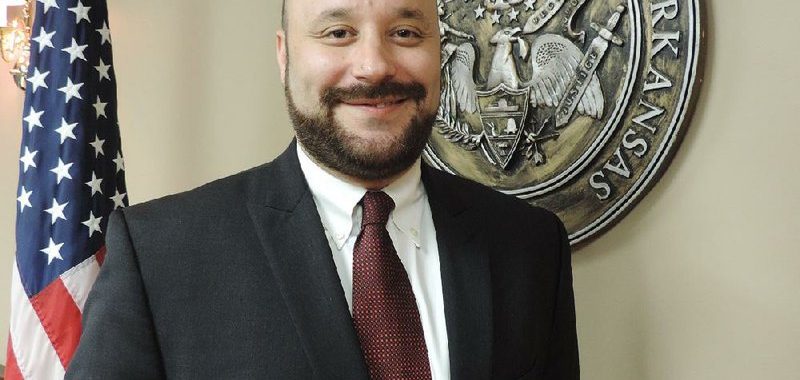
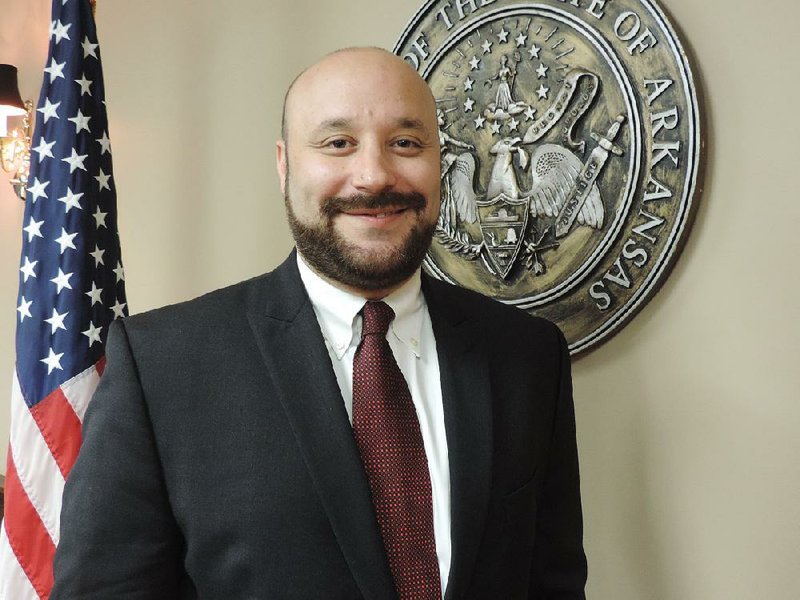
U.S. District Judge Lee Rudofsky (above) is presiding over the case.
With the passing of Justice Ruth Bader Ginsburg last week, all eyes turn to the U.S. Supreme Court and the race for the presidency this November.
Every time a seat on the nation’s high court is vacated, Americans are reminded of a simple fact: Elections really do have consequences.
That’s especially true of presidential elections, because the president is responsible for nominating federal judges and appointing men and women to lead government agencies.
There’s no denying that the U.S. Supreme Court has tremendous power. But the truth is the nation’s district courts and appeals courts arguably are just as important — if not more so.
According a complaint the EEOC filed last week, the Kroger store disciplined — and eventually fired — two employees who declined to wear a rainbow insignia on their store aprons.
The rainbow insignia is widely understood to be a symbol of gay pride, and the two employees both profess to be Christians who object to homosexual behavior.
The U.S. government’s lawsuit against the store argues that discipling and firing the employees ultimately amounts to religious discrimination under federal law.
The case is currently before U.S. District Judge Lee Rudofsky.
The Trump Administration’s EEOC is standing up for religious liberty in this lawsuit, and one of President Trump’s judicial nominees is presiding over the case.
This lawsuit may never land before the U.S. Supreme Court, but it still could impact how businesses in America treat their employees’ religious beliefs and how future courts handle religious discrimination cases.
Cases like these often don’t get the attention they deserve, but they can affect Americans for years to come.