California’s Marijuana Nightmare Shows Why Legalization Isn’t the Answer
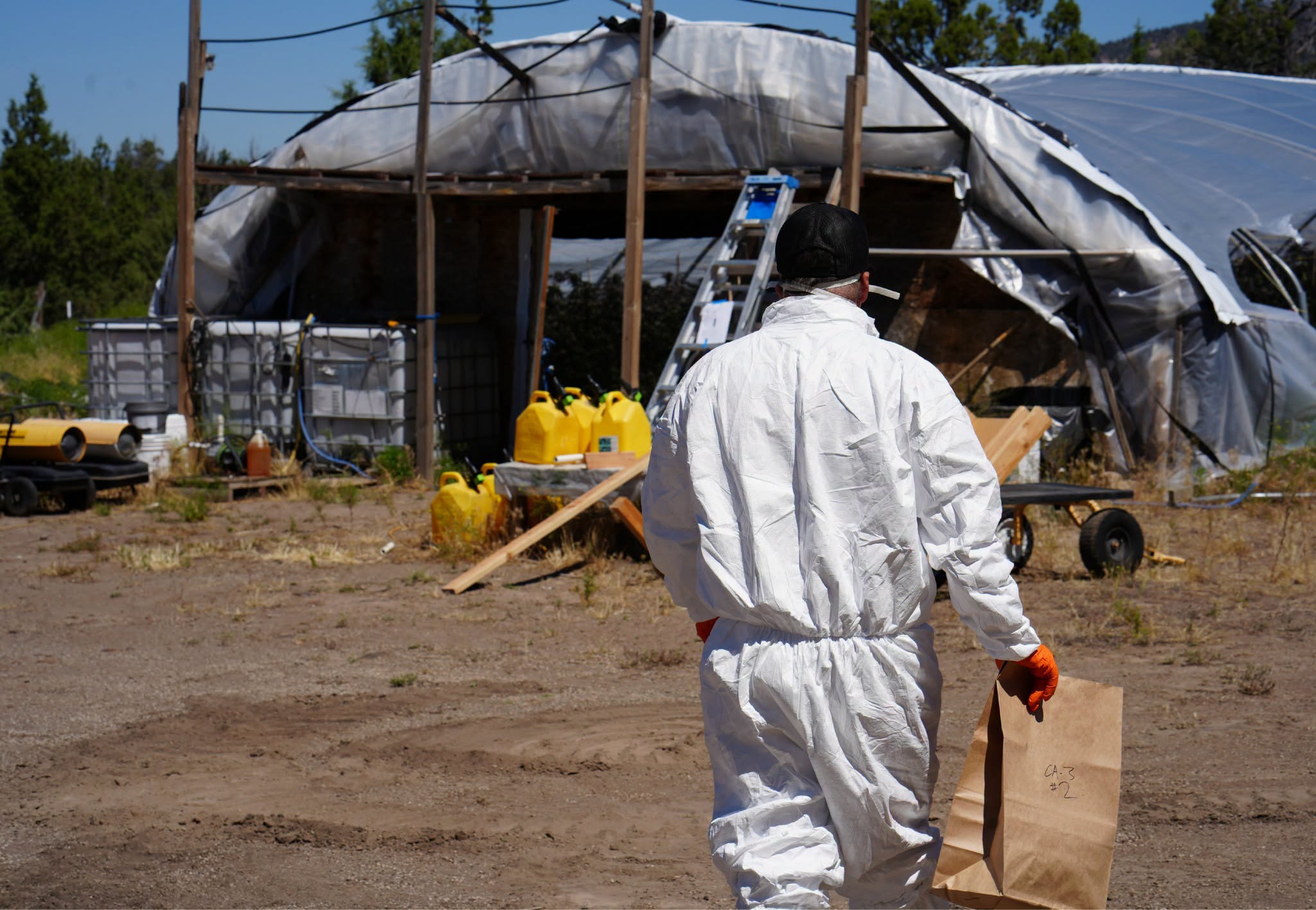
A new investigative report out of California shows just how badly marijuana legalization can go wrong.
Nationwide, policymakers have legalized marijuana to varying degrees, and federal regulators have eased restrictions on the drug. But pundits continue to raise concerns about legalization’s unintended consequences — especially when it comes to crime and illegal drugs on the black market.
An investigation by City Journal into Northern California’s rural Siskiyou County found Chinese criminal organizations — some with reported ties to the Chinese Communist Party — have built a massive illegal marijuana empire. Investigators estimate the operation generates roughly $2 billion a year in illegal cannabis sales.
Illegal growers now make up an estimated 20% of Siskiyou County’s entire population.
This situation did not happen overnight. Chinese growers and illegal marijuana operations reportedly moved into Siskiyou County around the time California legalized recreational marijuana.
Back in 2024, Siskiyou County Sheriff Jeremiah LaRue told Fox Business that legalization was “a total failure in California,” saying the state had been inundated with black market marijuana.
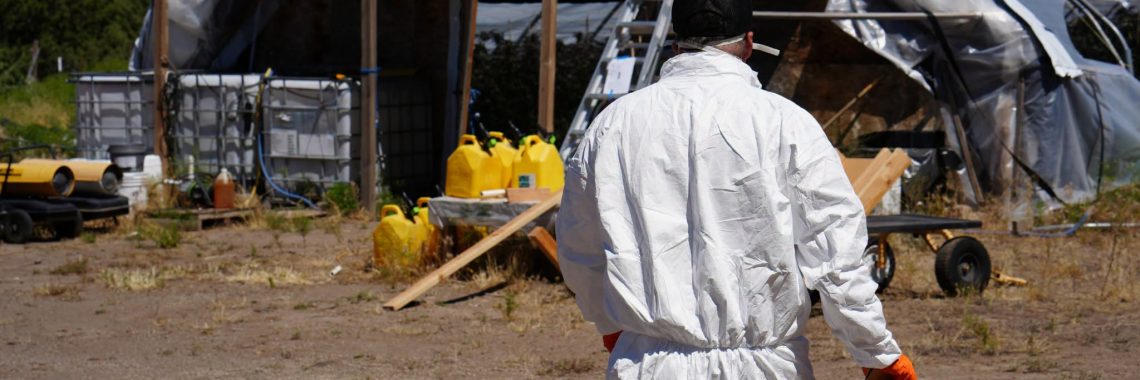
Last year the EPA declared an environmental emergency in the county due to toxins from illegal pesticides used at illegal grow sites.
Instead of decreasing crime, marijuana’s legalization has actually emboldened drug cartels and increased the flow of illegal drugs across America.
The U.S. Department of Justice has said organized crime from Mexico and China may be making millions of dollars from marijuana grown on U.S. soil.
Chinese investors with “suitcases full of cash” reportedly have bought U.S. farmland to grow black market marijuana.
Authorities in California seized more than 63,000 pounds of illegal marijuana from April to June of this year and made multiple raids at illegal marijuana sites over the summer.
Illegal marijuana operations often are believed to be tied to labor trafficking and violent crime. They contribute to what some have called “modern day slavery on American soil.”
These grow sites often use illegal pesticides that poison users and pollute the local environment.
Arkansas sits at the heart of major drug trafficking corridors. As a result, the Arkansas State Police routinely intercept marijuana from other parts of the country that appears to be intended for the black market. It’s entirely possible some of that marijuana comes from illegal operations like the ones in Siskiyou County, California.
In other cases, marijuana may be grown legally but then illegally diverted to the black market.
Marijuana’s supporters in Arkansas have argued that legalization could decrease Arkansas’ crime problems, but experience shows that has not been the case in other states.
All of this underscores what we have said for years: Marijuana may be many things, but “harmless” simply is not one of them.
Articles appearing on this website are written with the aid of Family Council’s researchers and writers.