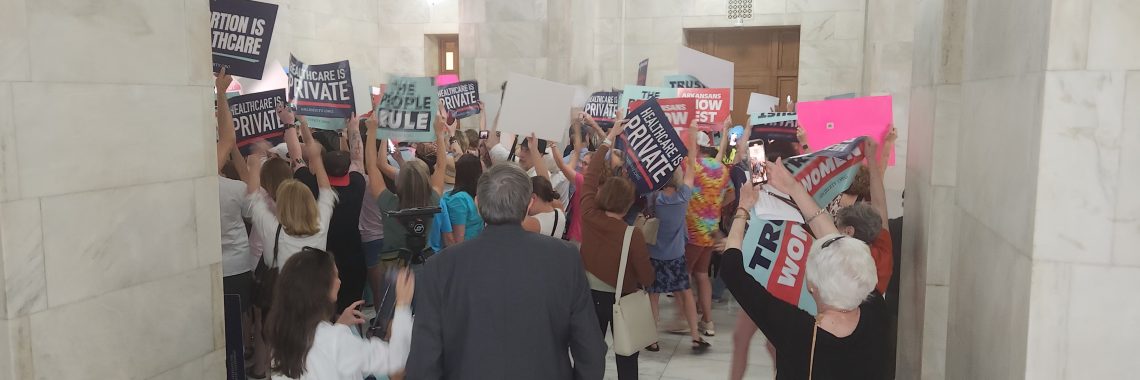
Arkansas Supreme Court Orders Secretary of State to Count Abortion Amendment Petitions Circulated by Volunteers

On Tuesday evening the Arkansas Supreme Court ordered the Secretary of State to perform an initial count of petition signatures that volunteers collected for the Arkansas Abortion Amendment of 2024.

The decision marks the latest turn in the lawsuit surrounding the abortion measure.

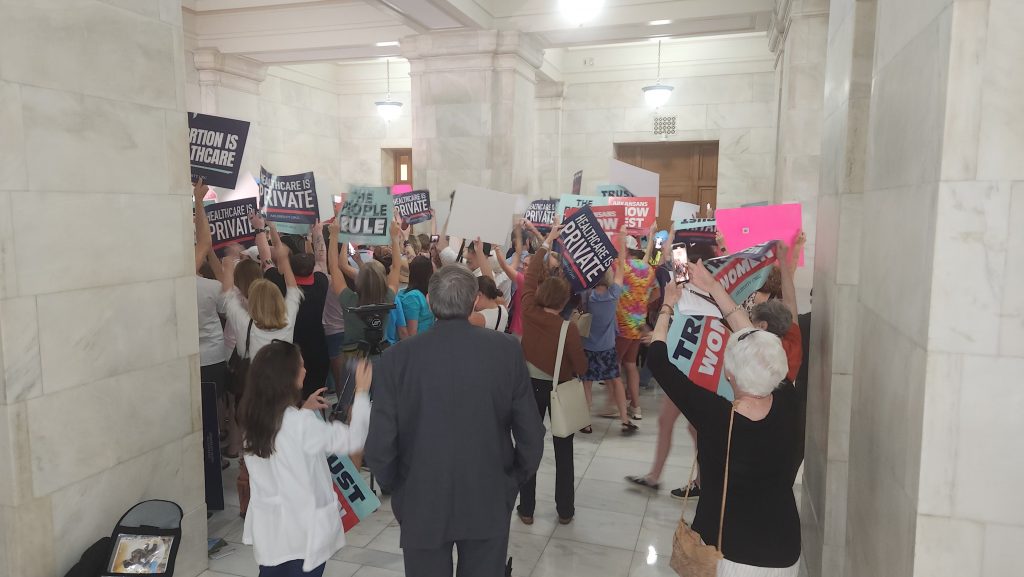
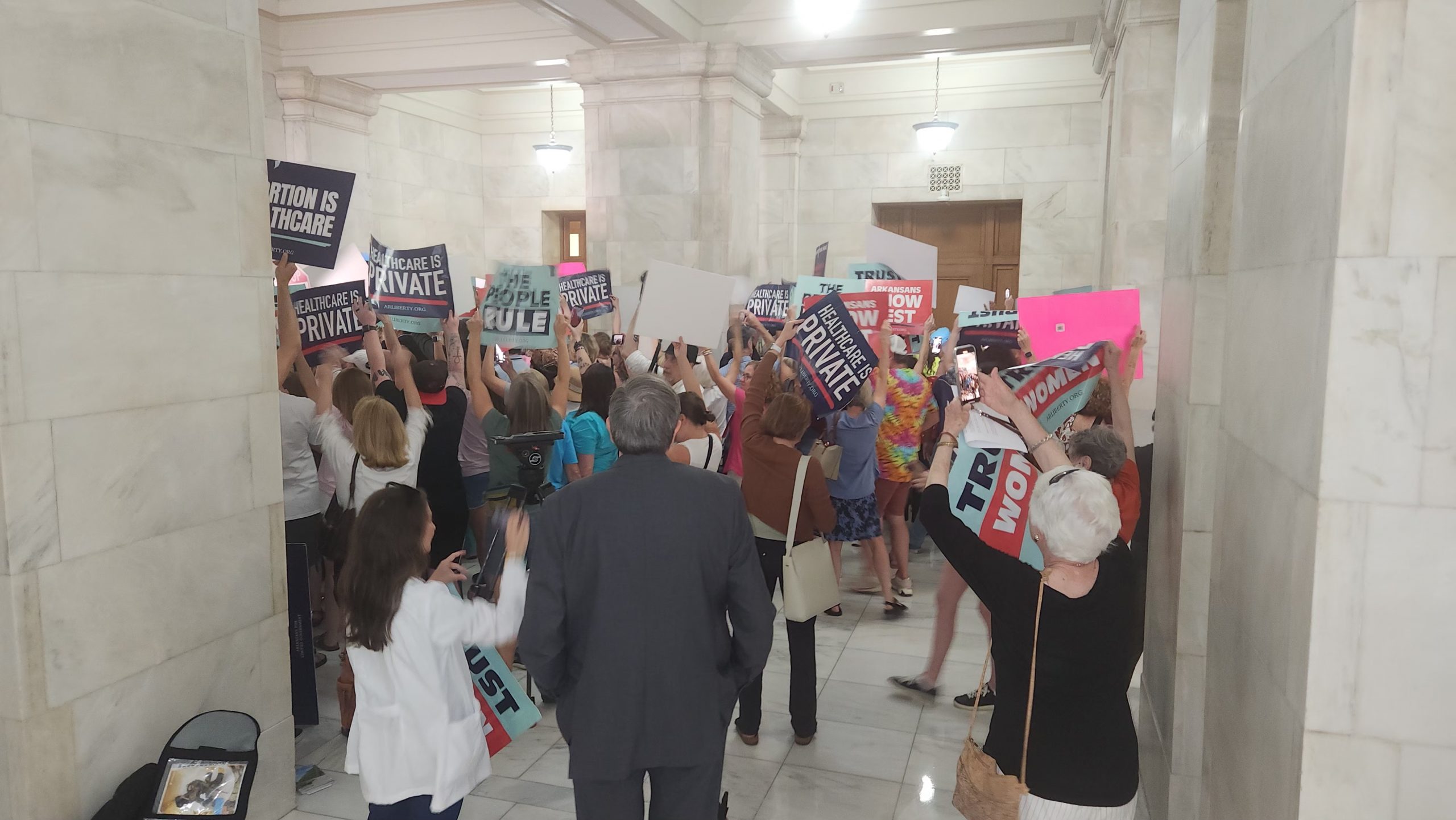
Earlier this month Arkansans for Limited Government submitted petition signatures to place the Arkansas Abortion Amendment on the ballot. However, Secretary of State John Thurston disqualified every petition signature, because the sponsors failed to provide affidavits that state law requires concerning paid petition canvassers.

By law, ballot initiative sponsors must file a statement confirming that each paid canvassers was given a copy of the state’s initiative and referenda handbook as well as an explanation of relevant state laws before he or she solicited petition signatures. The sponsors backing the abortion measure failed to file this specific documentation when they submitted the petitions for the abortion amendment.

Arkansans for Limited Government filed a lawsuit, claiming Secretary of State Thurston unlawfully rejected its petitions.

Tuesday’s state supreme court ruling directs the Secretary of State to count the Arkansas Abortion Amendment petition signatures collected by volunteers. Secretary of State Thurston previously estimated that volunteers collected 87,382 petition signatures — although his office apparently has not officially counted the signatures. Placing the Arkansas Abortion Amendment on the November ballot would require 90,704 valid signatures from registered voters.

Legal experts have pointed out the abortion amendment would prevent the State of Arkansas from restricting abortion during the first five months of pregnancy — which is more extreme than Roe v. Wade — and would allow thousands of elective abortions on healthy women and unborn children every year.

The amendment does not contain any medical licensing or health and safety standards for abortion, and it does not require abortions to be performed by a physician or in a licensed medical facility.

It automatically nullifies all state laws that conflict with the amendment, jeopardizing basic abortion regulations — like parental-consent and informed-consent requirements that both sides of the aisle have supported in the past.

The measure also contains various exceptions that would permit abortion on demand through all nine months of pregnancy in many cases.

Articles appearing on this website are written with the aid of Family Council’s researchers and writers.

Group Backing Abortion Amendment Asks Arkansas Supreme Court Not to Dismiss Its Lawsuit

On Monday, the group working to write abortion into the Arkansas Constitution asked the state supreme court not to dismiss a lawsuit the organization filed against the Secretary of State.

On July 5, Arkansans for Limited Government submitted some 101,525 petition signatures to place the Arkansas Abortion Amendment on the ballot. However, Secretary of State John Thurston disqualified every petition signature, because Arkansans for Limited Government failed to provide affidavits from the measure’s sponsor as required by state law.

Arkansans for Limited Government filed a lawsuit, claiming Secretary of State Thurston unlawfully rejected its petitions. The group has asked the Arkansas Supreme Court to order the Secretary of State to count the petition signatures.

Arkansas Attorney General Tim Griffin has asked the state supreme court to dismiss the lawsuit and let the Secretary of State’s rejection of the petition remain in effect.

On Monday, attorneys for Arkansans for Limited Government responded to the A.G.’s motion, arguing that failing to file the sponsor affidavit should not disqualify the petitions, and saying that the group met the Secretary of State’s requirements.

Ultimately, it is up to the Arkansas Supreme Court to decide if it will dismiss the case or allow the lawsuit to proceed.

Legal experts have pointed out the abortion amendment would prevent the State of Arkansas from restricting abortion during the first five months of pregnancy — which is more extreme than Roe v. Wade — and would allow thousands of elective abortions on healthy women and unborn children every year.

The amendment does not contain any medical licensing or health and safety standards for abortion, and it does not require abortions to be performed by a physician or in a licensed medical facility.

It automatically nullifies all state laws that conflict with the amendment, jeopardizing basic abortion regulations — like parental-consent and informed-consent requirements that both sides of the aisle have supported in the past.

The measure also contains various exceptions that would permit abortion on demand through all nine months of pregnancy in many cases.

The lawsuit over the Secretary of State’s rejection of the abortion amendment petitions is currently before the Arkansas Supreme Court. Family Council will continue to monitor and report on the case.

Articles appearing on this website are written with the aid of Family Council’s researchers and writers.

Arkansas A.G. Asks State Supreme Court to Dismiss Abortion Amendment Lawsuit

On Friday, Arkansas Attorney General Tim Griffin asked the Arkansas Supreme Court to dismiss the lawsuit filed by a group working to write abortion into the state constitution.

On July 5, Arkansans for Limited Government submitted some 101,525 petition signatures to place the Arkansas Abortion Amendment on the ballot. However, Secretary of State John Thurston disqualified every petition signature, because Arkansans for Limited Government failed to provide affidavits from the measure’s sponsor as required by state law.

Arkansans for Limited Government filed a lawsuit, claiming Secretary of State Thurston unlawfully rejected its petitions. The group has asked the Arkansas Supreme Court to order the Secretary of State to count the petition signatures.

In his motion filed Friday, Arkansas Attorney General Griffin said, “AFLG [Arkansans for Limited Government] ultimately doesn’t dispute” that it failed to comply with state law, and argues that the court should dismiss the case.

Ultimately, it is up to the Arkansas Supreme Court to decide if it will dismiss the case or allow the lawsuit to proceed.

Legal experts have pointed out the abortion amendment would prevent the State of Arkansas from restricting abortion during the first five months of pregnancy — which is more extreme than Roe v. Wade — and would allow thousands of elective abortions on healthy women and unborn children every year.

The amendment does not contain any medical licensing or health and safety standards for abortion, and it does not require abortions to be performed by a physician or in a licensed medical facility.

It automatically nullifies all state laws that conflict with the amendment, jeopardizing basic abortion regulations — like parental-consent and informed-consent requirements that both sides of the aisle have supported in the past.

The measure also contains various exceptions that would permit abortion on demand through all nine months of pregnancy in many cases.

The lawsuit over the Secretary of State’s rejection of the abortion amendment petitions is currently before the Arkansas Supreme Court. Family Council will continue to monitor and report on the case.

Articles appearing on this website are written with the aid of Family Council’s researchers and writers.