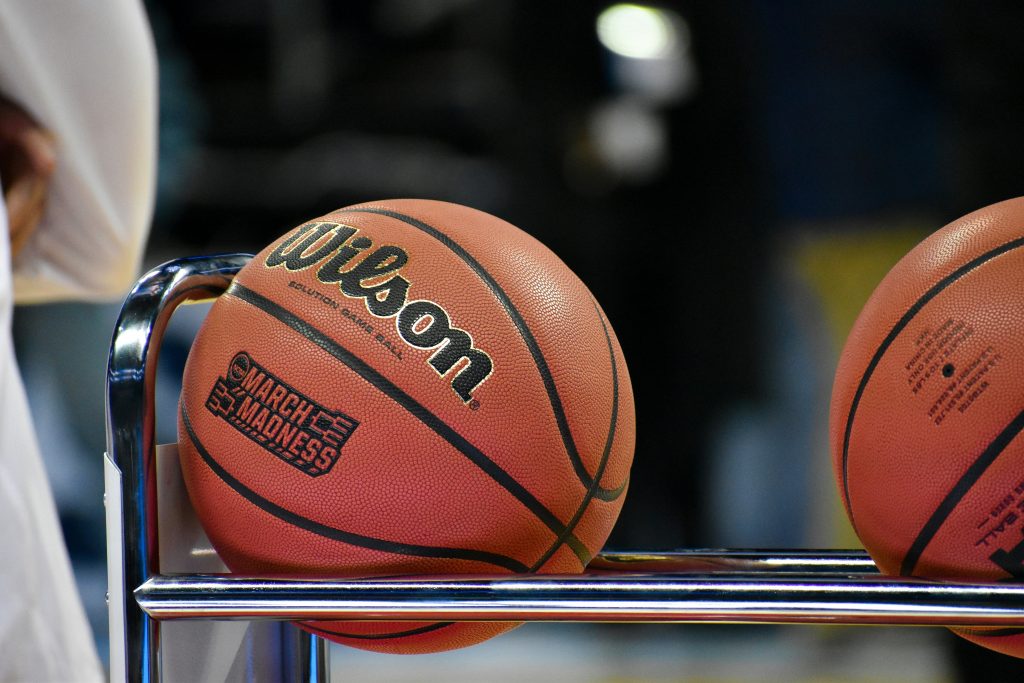
On January 15, the U.S. Department of Justice and the FBI announced indictments against 26 people in connection with an alleged bribery and point-shaving scheme to fix NCAA basketball games and Chinese Basketball Association games.
In a press release, the U.S. Attorney’s Office, Eastern District of Pennsylvania wrote:
As alleged in an indictment and other filings unsealed this morning, the scheme was led by “fixers” Jalen Smith, 30, of Charlotte, North Carolina; Marves Fairley, 40, of Carson, Mississippi; Shane Hennen, 40, of Las Vegas, Nevada, and Philadelphia, Pennsylvania; Antonio Blakeney, 29, of Kissimmee, Florida; Roderick Winkler, 31, of Little Rock, Arkansas; and Alberto Laureano, 24, of Bronx, New York. . . .
As alleged, during the 2023-2024 and 2024-2025 NCAA men’s basketball seasons, the fixers, including defendants Smith, Fairley, Hennen, Winkler, Laureano, and Blakeney agreed to recruit NCAA players who would help ensure that their team failed to cover the spread of the first half of a game or an entire game. The fixers would then place wagers on those games, betting against the team whose player or players they had bribed to engage in this point-shaving scheme.
Defendants Smith, Fairley, Hennen, Winkler, Laureano, and Blakeney approached and communicated with NCAA basketball players, in person and through social media, text message communications, and cellular telephone calls, the indictment alleges, with the fixers offering the players bribe payments, usually ranging from $10,000 to $30,000 per game, to participate in the scheme.
The indictment alleges that the fixers specifically targeted college players for whom the bribe payments would meaningfully supplement, or exceed, the student-athletes’ legitimate opportunities for “Name-Image-Likeness” compensation. The fixers also generally targeted for their scheme players on teams that were underdogs in games and sought to have them fail to cover the spreads in those games. Many of these players accepted the offers and agreed to help fix specific games so that the fixers would win their wagers.
Over the past year, the NCAA Committee on Infractions has uncovered a troubling pattern of sports betting violations involving student-athletes and staff members at different universities.
For example, at San Francisco, a basketball player provided inside information to a player at a different school who was betting on his performance through daily fantasy platforms.
Temple University’s men’s basketball program saw three separate gambling violations from 2022 to 2024.
It’s now almost routine for the NCAA to announce player suspensions for students-athletes who colluded to bet on one another. Basketball players may scheme to help each other win bets by, for example, missing free throws or scoring fewer points than expected in some games.
A recent NCAA study found that 36% of Division I men’s basketball players reported harassment from bettors on social media. When gamblers miss their bets, they often blame the athletes. Besides the NCAA, recent news stories show that Major League Baseball, the NFL, the NBA,, and other sports leagues have all dealt with serious corruption in the wake of sports betting’s legalization.
Studies indicate people who gamble on sports may be twice as likely to suffer from gambling problems.
Young men are particularly affected by sports gambling. Twenty-year-old males account for approximately 40% of calls to gambling addiction hotlines, and upwards of 20 million men are in debt or have been in debt as a result of sports betting.
And research now shows that the legalization of sports betting may be linked to serious financial problems in America — such as credit card debt, overdrafts, late payments on loans, lower credit scores, and higher bankruptcy rates. That hurts more than just the gamblers who wager on sporting events. It hurts their families and their communities.
Sports betting is not a harmless pastime. As powerful corporations try to make gambling part of everyday life, it’s important for Arkansas to protect citizens and families from predatory gambling. Otherwise, problem gambling will simply hurt more and more people in our state. Family Council is calling on all Arkansans to do what they can to stand up against predatory sports betting.
Articles appearing on this website are written with the aid of Family Council’s researchers and writers.