
Congressmen Introduce Bipartisan Proposal to Investigate Harm Caused by Sports Betting

Last week, Congressmen Blake Moore (R-UT) and Dan Goldman (D-NY) introduced the bipartisan Gambling Disorder Health Study Act.

The proposal would direct the federal government to conduct a comprehensive, long-term investigation into gambling disorder and evaluate “prevention, treatment, and intervention strategies.”

Gambling has expanded rapidly in recent years, and studies show more than half of men ages 18 – 49 now have an active sportsbook account online. Arkansans wagered a record $86.5 million in March alone this year. But experts and policymakers are raising serious concerns about the impact this type of gambling may be having on our society.

In a statement, Rep. Goldman called gambling “a growing public health crisis, especially for young men,” and said the federal government needs to take action. Rep. Moore said their bill “will go a long way in helping us address this crisis.”

This is at least the second time this year that U.S. lawmakers have proposed measures to address gambling.

Last month, U.S. Sens. Katie Britt (R — Alabama) and Richard Blumenthal (D — Connecticut) proposed the bipartisan Gaming Advertisement to Minors Enforcement (GAME) Act to prohibit social media platforms and other websites from advertising sports betting to children and teens.

In many cases, gambling is now accessible from virtually anywhere with Wi-Fi or cell phone service, and placing a bet is as easy as sending a text.

A recent report from mental health professionals at Baptist Health South Florida noted that gambling has moved from casinos and racetracks to smartphones — and that the shift has made it far more dangerous. Experts say these online platforms are engineered to keep people engaged, using instant rewards and near-misses to trigger the same brain chemistry as other addictions.

Experts are also sounding the alarm over “prediction markets” that they say are not regulated under state gambling laws, but are still just as addictive as other forms of online gambling.

We have written over and over about how mobile gambling apps use addictive technology to hook people — especially young adults.

By some counts, 20 year-old males account for approximately 40% of calls to gambling addiction hotlines, and upwards of 20 million men are in debt or have been in debt as a result of sports betting.

In 2024, the Arkansas Problem Gambling Council announced a 22% increase in calls for help with problem gambling — driven largely by sports betting.

A report from the Federal Reserve Bank of New York found that states with legal mobile sports betting have seen credit delinquency rates spike — especially among borrowers under 40.

Bankruptcy attorneys across the country say online sports betting is driving a surge in personal bankruptcies — especially among young men in their 20s and 30s — and researchers at UCLA estimate that online sportsbooks are linked to an increase of roughly 30,000 more bankruptcies per year nationwide.

As powerful corporations try to make gambling part of everyday life, it’s important for Arkansas to protect its citizens and families from predatory gambling.

Otherwise, gambling addiction will simply continue wrecking lives and hurting families in our state.

Articles appearing on this website are written with the aid of Family Council’s researchers and writers.
Children, Teens Getting Hooked on Gambling

Researchers and news outlets are sounding the alarm over concerns about kids getting hooked on sports betting.

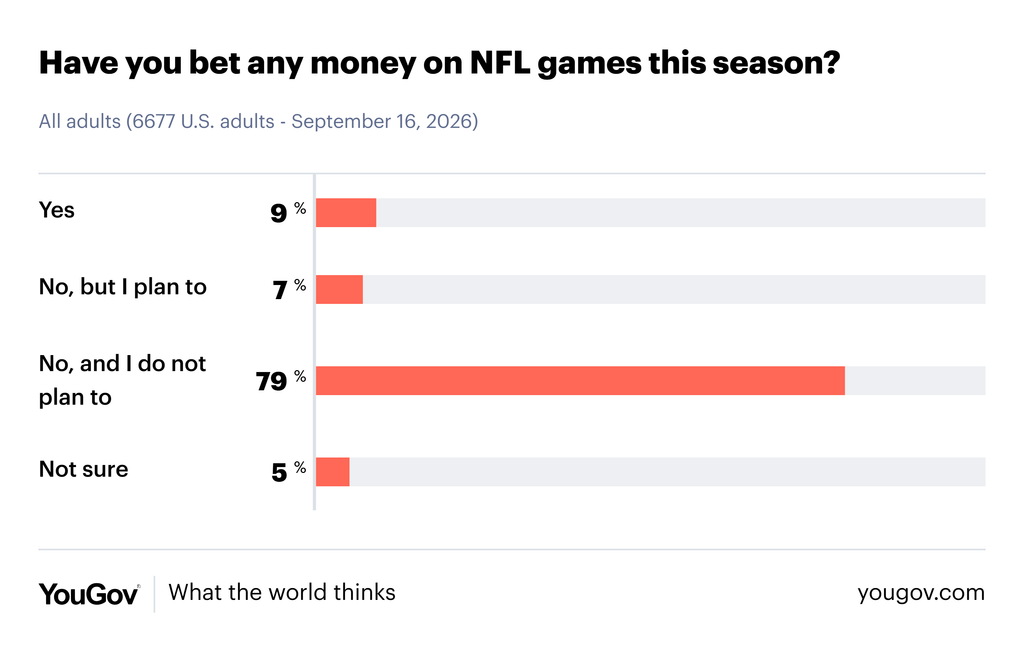
Today sports betting is legal through most of the the U.S., and more than half of men ages 18 – 49 report having an active sportsbook account online. Arkansans wagered a record $86.5 million in March alone this year.

But evidence shows teens and young adults may be getting hooked on sports betting and other types of gambling through advertisements and social media posts that appeal to children.

A report from Common Sense Media earlier this year found 36% of boys ages 11 to 17 reported gambling in the past year. Of those boys, 59% said social media content about gambling just started appearing in their social media feeds.

Jim Steyer, CEO, Founder, and Board Co-Chair of Common Sense Media, said, “The reality is that we’re at an inflection point. We can either let gambling become normalized during boys’ most vulnerable developmental years, or we can act now—with education, safeguards, and real accountability.”

“Prediction markets” that operate outside the scope of state regulation are also concerning. News outlets report they are using memes and social media content that appeals to teens.

Researchers have repeatedly voiced concerns about sports advertisements that aggressively target young adults.

We have written repeatedly about how mobile sports betting apps use addictive technology to hook people — especially young adults.

People who gamble on sports may be twice as likely to suffer from gambling problems. When sports betting happens online or on a smartphone, the rate is even higher.

Twenty-year-old males account for approximately 40% of calls to gambling addiction hotlines, and upwards of 20 million men are in debt or have been in debt as a result of sports betting. In 2024, the Arkansas Problem Gambling Council announced a 22% increase in calls for help with problem gambling — driven largely by sports betting.

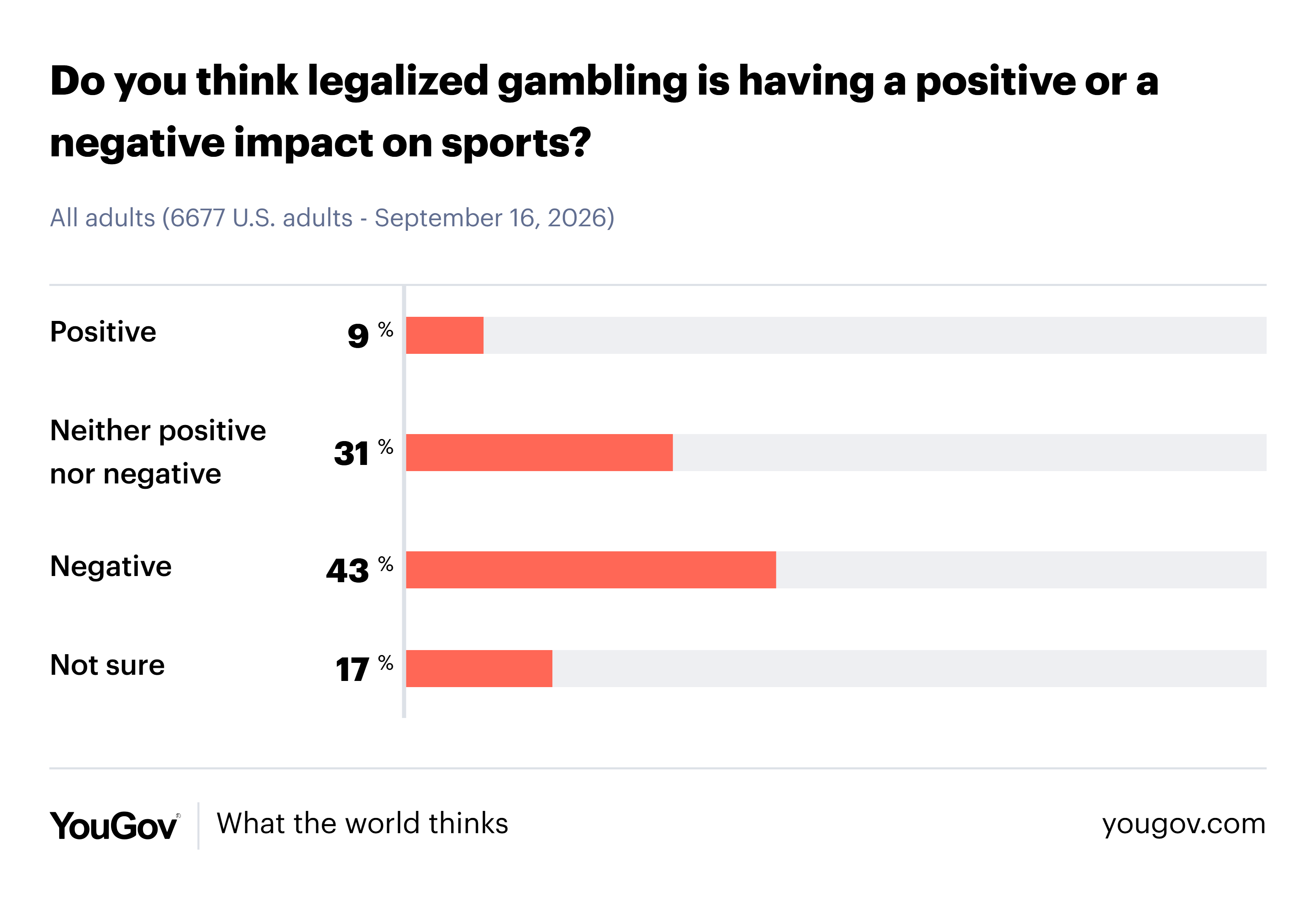
On the whole, most Americans do not believe sports betting has been good for society or good for sports.

Arkansas families need to understand that sports betting isn’t harmless entertainment — it’s predatory, and it’s growing.

As powerful corporations try to make gambling part of everyday life, it’s important for Arkansas to protect its citizens and families from predatory gambling. Otherwise, gambling addiction will simply continue wrecking lives and hurting families in our state.

Articles appearing on this website are written with the aid of Family Council’s researchers and writers.

Young Soccer Athletes Especially Vulnerable to Gambling Problems: New Study

A new study confirms what many have been saying for years: Gambling is a serious threat to young people — and the problem seems to be getting worse.

Most states in the U.S. have legalized sports betting, and more than half of men ages 18 – 49 report having an active sportsbook account online. Arkansans wagered a record $86.5 million in March alone this year. But this type of gambling is having a corrupting influence on athletics in the U.S. and around the world.

Researchers from Sweden’s Karolinska Institutet studied 741 male junior elite soccer players from Sweden’s two highest national leagues.

The study found 32% of the players had gambled in the past year.

Among players 18 and older, that number jumped to more than 60%.

Nearly one in ten players showed signs of problem gambling, and even more alarming, more than one in five underage players reported gambling despite legal age restrictions.

The data is clear: Sports betting is corrupting sports and ruining lives. 

The NCAA has opened investigations into dozens of student-athletes for sports betting violations. Federal prosecutors have announced indictments in connection with an alleged bribery and point-shaving scheme to fix college basketball games. Nearly half of Division I men’s basketball players have reported harassment from bettors on social media.

MLB players have been accused of rigging pitches to defraud sports betting platforms. The NFL and the NBA have also dealt with corruption and scandals tied to sports betting.

On the whole, most Americans do not believe sports betting has been good for society or good for sports.

Arkansas families need to understand that sports betting isn’t harmless entertainment — it’s predatory, and it’s growing.

As powerful corporations try to make gambling part of everyday life, it’s important for Arkansas to protect its citizens and families from predatory gambling. Otherwise, gambling addiction will simply continue wrecking lives and hurting families in our state.

Articles appearing on this website are written with the aid of Family Council’s researchers and writers.