A Parent’s Guide To Betting Apps

The organization Axis has written a guide to help parents understand and address betting apps with their kids.
Axis provides videos and resources for parents to have gospel-centered conversations with their children about faith and culture. One recent video helps parents understand how sportsbook apps turn sports fans into gamblers and why young men are especially vulnerable.
In its parents’ guide to betting apps, Axis writes:
Like many parents, Kim Freudenberg knew that raising two boys would come with tough discussions. She would need to talk to them about drugs and alcohol. Sex would be an important topic. Clearly, social media would need to be a regular household conversation.
What Freudenberg and many other moms and dads didn’t know when their children were young was that there would be a new tough topic on the scene: betting.
“Never once did I even think that I needed to say ‘gambling,’” Freudenberg told NPR.
But as it turned out, her 19-year-old son had been gambling for eight years. She had no idea until he’d been doing this until he dropped out of college and the truth came to light. She discovered that her son had sold household items, borrowed money from friends, and at the height of his debt desperation, stolen money from her.
This all began when Freudenberg’s son clicked on a link he saw in the comments of a video game livestream he was watching. The link took him to an offshore online casino where he began to play blackjack, poker, and roulette. He was 11 years old—seven to ten years younger than the legal gambling age for every state in the U.S..
The guide from Axis goes on to highlight how sports betting apps may particularly appeal to teens.
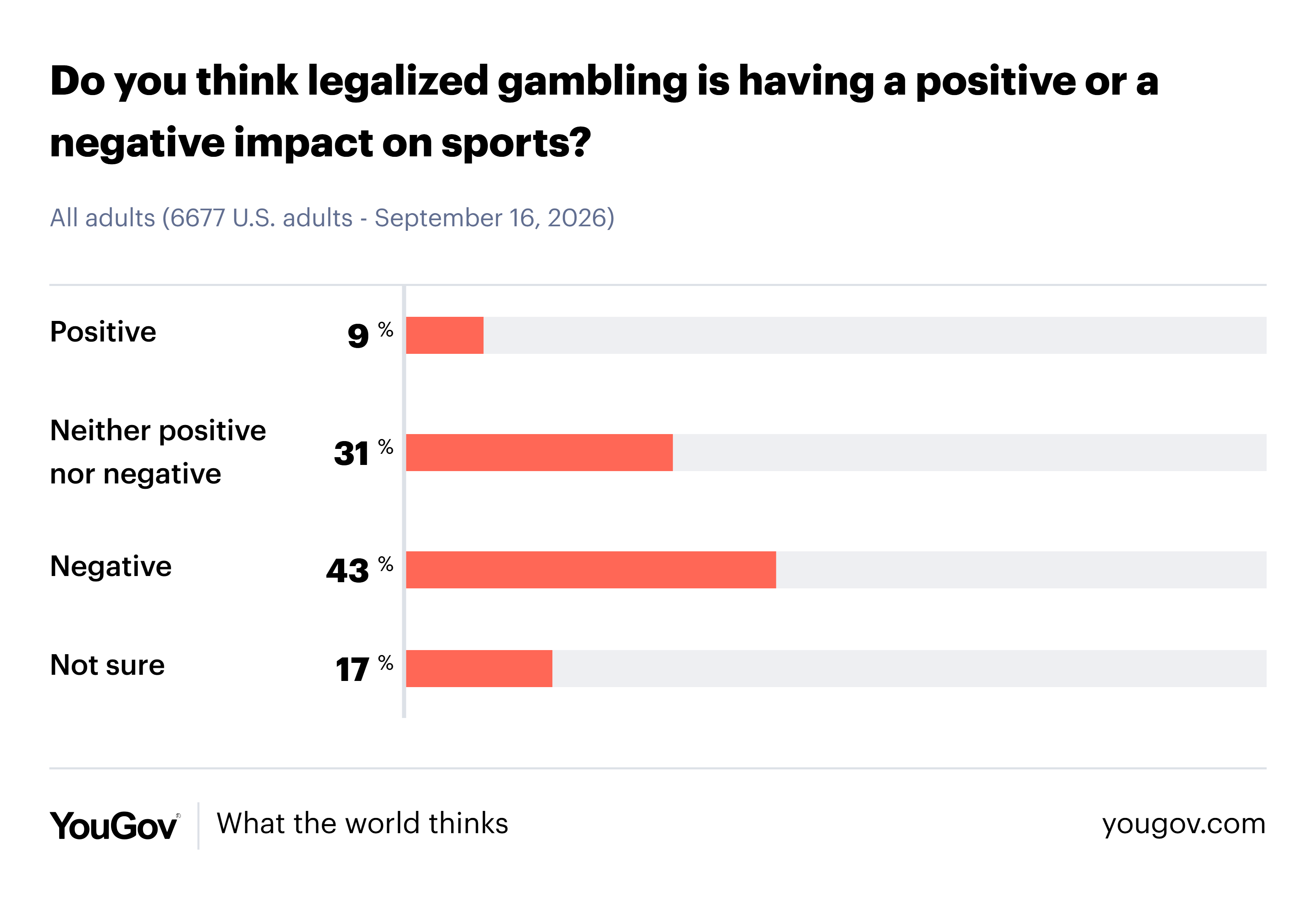
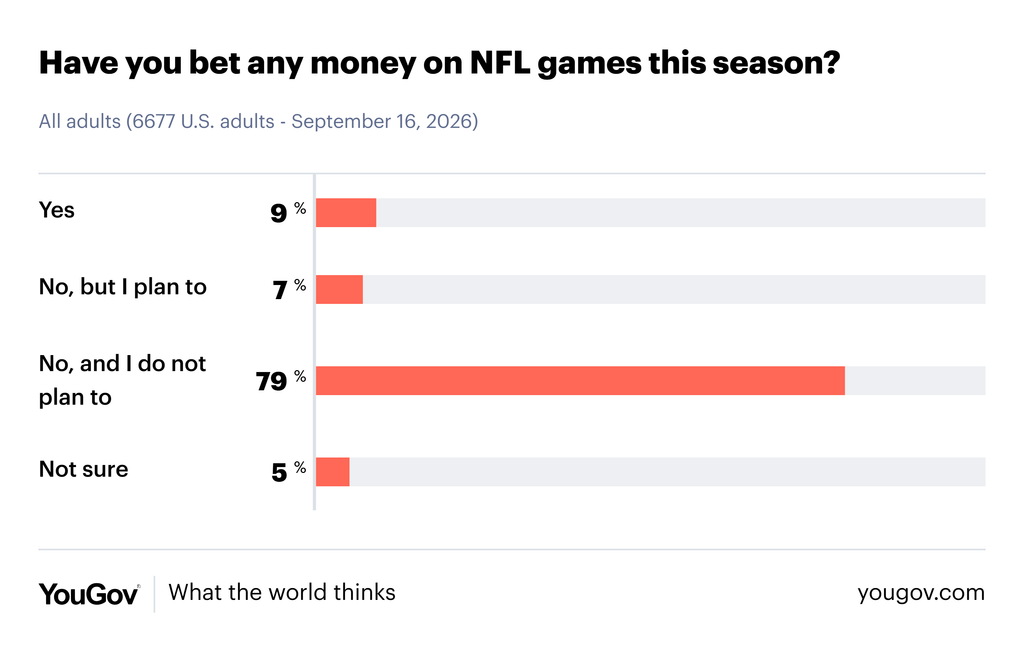
Nationwide, sports betting is legal in 39 states — including Arkansas, where people wagered $56.6 million on sports in August alone. But a growing body of evidence shows this type of gambling is harmful.
Studies show people who gamble on sports may be twice as likely to suffer from gambling problems. When sports gambling happens online, the rate is even higher. A 2025 survey found one in four sports bettors worry that they cannot control their gambling.
Problem gambling may contribute to other serious problems. Some studies have linked legal sports betting to increases in divorce, binge drinking, domestic violence, and violent crime.
Twenty-year-old males account for approximately 40% of calls to gambling addiction hotlines, and upwards of 20 million men are in debt or have been in debt as a result of sports betting.
Sportsbooks and online gambling platforms have been accused to using deceptive videos, predatory ads, and artificial intelligence to target people who may be at risk of gambling problems.
Sports betting is not a harmless pastime. As powerful corporations try to make gambling part of everyday life, it’s important for Arkansas to protect citizens and families from predatory gambling. Otherwise, problem gambling will simply hurt more and more people in our state.
Articles appearing on this website are written with the aid of Family Council’s researchers and writers.