
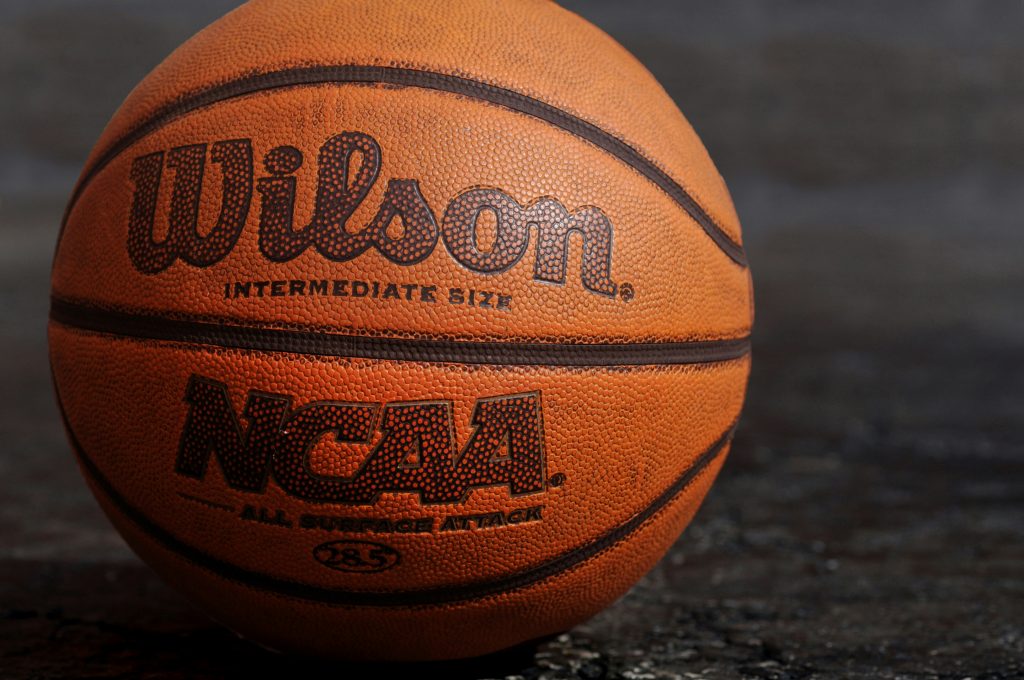
Sports betting is corrupting college athletics and putting student-athletes at risk of harassment, bribery, and exploitation.
Federal prosecutors recently announced major indictments in college sports betting corruption. On January 15, the U.S. Department of Justice and FBI unsealed indictments against 26 people in connection with an alleged bribery and point-shaving scheme to fix NCAA basketball games.
The scheme involved “fixers” who recruited NCAA players to help ensure their teams failed to cover the spread. Players were offered bribe payments ranging from $10,000 to $30,000 per game to participate in the scheme.
The NCAA has opened investigations into dozens of student-athletes across 20 schools for sports betting violations over the past year. Twelve have already been permanently banned from competition. Many cases involve wagering on individual prop bets and first half under spread markets.
It’s now almost routine for the NCAA to announce player suspensions for student-athletes who colluded to bet on one another. Basketball players may scheme to help each other win bets by, for example, missing free throws or scoring fewer points than expected in some games.
Student-athletes face constant harassment from bettors. A recent NCAA study found that 36% of Division I men’s basketball players reported harassment from bettors on social media. When gamblers miss their bets, they often blame the athletes.
The NCAA is calling for immediate action to protect players. NCAA President Charlie Baker recently urged state gambling commissions to eliminate player prop bets and other high-risk bets that target student-athletes. “Player prop bets attach an individual student-athlete’s name to a bet and therefore increase the likelihood of betting harassment being targeted toward that student-athlete,” Baker wrote in a letter to state gambling commissions.
Besides the NCAA, recent news stories show that Major League Baseball, the NFL, and the NBA have all dealt with serious corruption in the wake of sports betting’s legalization.
Sports betting destroys what makes sports special. People play and watch sports for entertainment, athletic competition, and team spirit. When gambling is introduced, fans have a financial stake in the game, and athletes have an incentive to change how they play. Officials may be tempted to cheat, and fans forget why they enjoyed sports in the first place. All of that is a problem.
Sports betting is not a harmless pastime. As powerful corporations try to make gambling part of everyday life, it’s important for Arkansas to protect citizens and families from predatory gambling. Otherwise, problem gambling will simply hurt more and more people in our state.
Articles appearing on this website are written with the aid of Family Council’s researchers and writers.
Related posts:
 Sports Betting Scandals Continue to Corrupt College Athletics
 N.J. Attorney General Announces Illegal Gambling Charges Against Organized Crime Members, Former College Student-Athletes
Federal Officials Announce Indictments in College Sports Betting Cases
N.J. Attorney General Announces Illegal Gambling Charges Against Organized Crime Members, Former College Student-Athletes
Federal Officials Announce Indictments in College Sports Betting Cases
 Arkansas Casinos Offer Gambling on College Basketball, Professional Sports