House Committee Rejects Bad Bill Legalizing Drugs Made From Industrial Hemp
On Wednesday the House Rules Committee rejected a bad bill that would legalize drugs made from industrial hemp in Arkansas.

In 2018 congress passed the federal Agriculture Improvement Act legalizing industrial hemp in America. “Industrial hemp” refers to varieties of the cannabis plant that are low in tetrahydrocannabinol — or THC — the main psychoactive substance in marijuana.

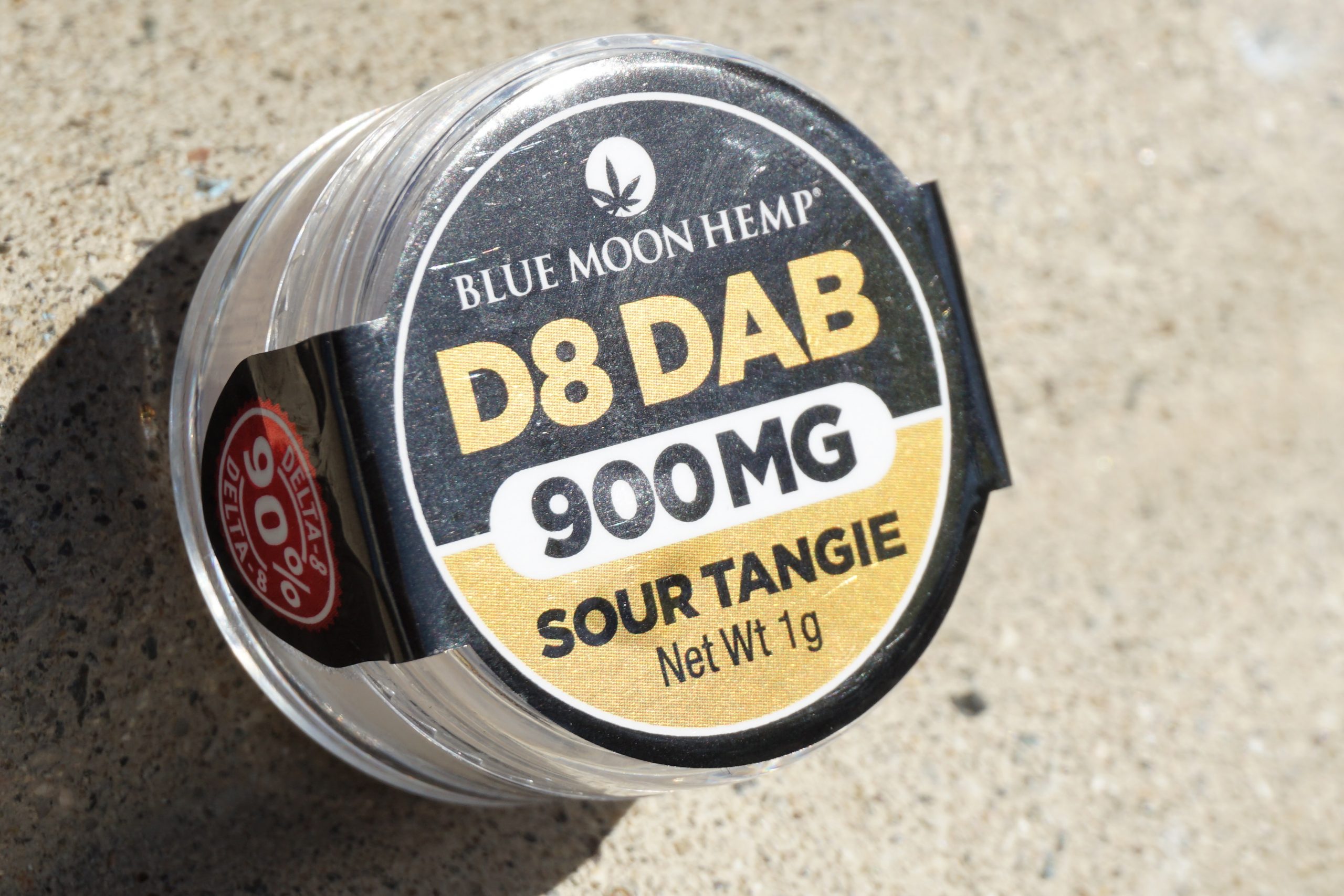
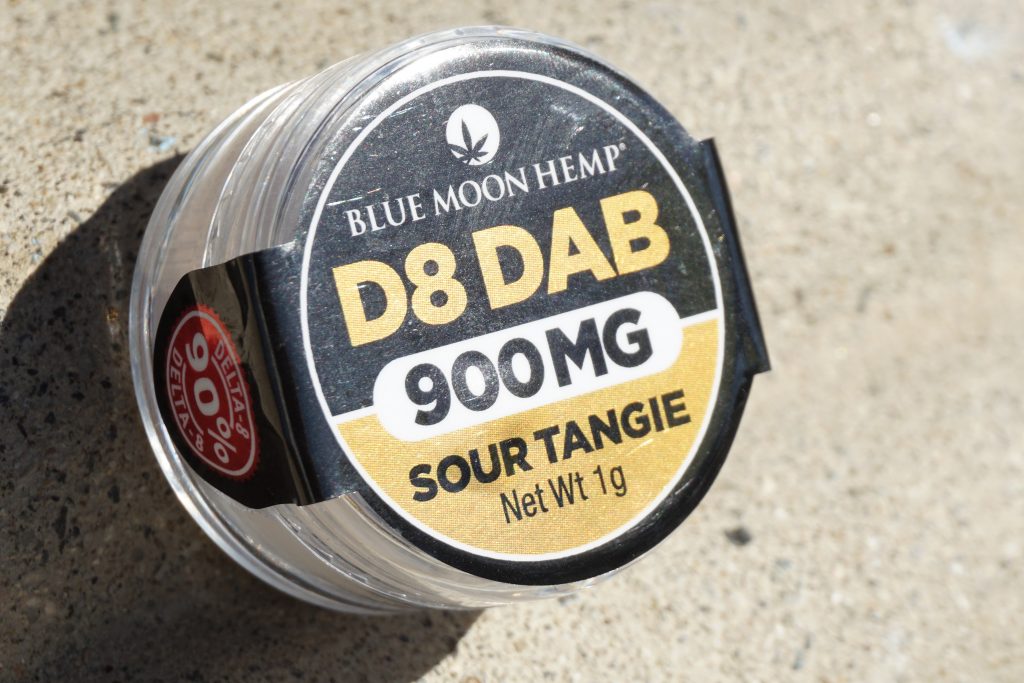
However, manufacturers have developed ways to extract and refine the THC in industrial hemp on a commercial scale — meaning they can produce a lot of THC to infuse into drinks, gummies, and other products made from industrial hemp.

In response, states have begun pushing back against THC products made from hemp.

Last year officials in Minnesota issued a public health warning about “high-dose hemp-derived products.”

Texas lawmakers reportedly filed legislation to ban THC statewide.

And last fall the California Department of Public Health published emergency rules prohibiting hemp products that “contain a detectable level of THC or other intoxicating cannabinoids.”

Arkansas has taken steps to restrict and prohibit these drugs as well. In 2023, state lawmakers passed Act 629 by Sen. Tyler Dees (R – Siloam Springs) and Rep. Jimmy Gazaway (R – Paragould). This good law prohibits THC made from industrial hemp, and it contains a regulatory framework for restricting hemp products if the ban were blocked in court. The law has been tied up in federal court, but we expect a decision in the case soon.

H.B. 1722 by Rep. Jeremiah Moore (R — Clarendon) would effectively repeal Act 629 of 2023 and legalize hemp-derived products containing THC in Arkansas — including THC vapes and other THC products made from industrial hemp. The bill was presented at the House Rules Committee meeting on Wednesday. After lengthy testimony and discussion, H.B. 1722 failed to pass.

The marijuana industry did not get its way with the ballot initiative process last year. Now powerful interests want to legalize a form of recreational marijuana at the Arkansas Legislature.

H.B. 1722 would give wealthy companies a way to manufacture and sell THC and other dangerous drugs made from hemp. The bill’s regulatory framework simply won’t protect kids from being exposed to these drugs.

Policymakers could take steps to restrict drugs in Arkansas. H.B. 1722 takes Arkansas the wrong direction by legalizing these drugs instead. Fortunately, the House Rules Committee understood that and rejected this deeply flawed measure.

Articles appearing on this website are written with the aid of Family Council’s researchers and writers.

Marijuana Bust Shows Legalization Hasn’t Killed California’s Black Market

Authorities in California recently busted yet another industrial-scale marijuana operation.

Contrary to popular belief, legalization of marijuana has actually emboldened drug cartels. Marijuana is legal in California, but last year the state’s Unified Cannabis Enforcement Task Force seized 154,000 pounds of illegal marijuana intended for sale on the black market.

KTVU reports that last week California Highway Patrol investigators executed a search warrant at an Oakland warehouse, where they found 25,276 illegal marijuana plants along with firearms and illicit pesticides. Authorities reportedly are concerned about possible links to organized crime and indicated that illegal marijuana operations like this one may be tied to “Chinese money-laundering for Mexican cartels.”

Instead of weakening the black market, legalization appears to have made it easier for illicit marijuana to go unnoticed in states like California.

Chinese organized crime is dominating black market marijuana in many parts of the country. The U.S. Department of Justice says Chinese drug cartels may be making millions of dollars from illegal marijuana in states like Maine, New York, Massachusetts, and elsewhere.

Illegal marijuana operations often are linked to labor trafficking and violent crime — contributing to what some have dubbed “modern day slavery on American soil.”

And CNN reports that “illegal pot production . . . provides a glimpse of a hidden world – one that mirrors a trend playing out not only in California, but in states such as Oklahoma, Oregon, New Mexico and Maine: groups of people with apparent ties to foreign countries – most notably China – producing weed in colossal volumes.”

All of this is very concerning in light of the fact that multiple proposals at the Arkansas legislature would weaken the state’s drug laws.

H.B. 1722 by Rep. Jeremiah Moore (R — Clarendon) would effectively repeal Act 629 of 2023. This bad bill would legalize products containing THC made from industrial hemp — that is, cannabis plants that are supposed to be low in THC. THC is the primary psychoactive ingredient in marijuana. Many states are looking for ways to restrict or prohibit THC products. This bill would legalize these products in Arkansas.

H.B. 1578 by Rep. Aaron Pilkington (R — Knoxville) would legalize drinks containing THC made from industrial hemp. The bill sets age restrictions, licensing requirements, and manufacturing guidelines for these drinks, but it does not clearly restrict the amount of THC a hemp-derived drink could contain.

Legalizing drugs — whether it’s marijuana itself or THC extracted from cannabis — has not worked as intended in places like California. Arkansas should think twice before making the same mistake these states have made.

While Some States Rein in THC Made From Hemp, Proposals in Arkansas Would Legalize It

As “hemp-derived” THC continues to be a problem in America, some states are taking steps to protect their citizens.

In 2018 congress passed the federal Agriculture Improvement Act legalizing industrial hemp in America. “Industrial hemp” refers to varieties of the cannabis plant that are low in THC.

The goal was to make it possible for farmers to grow hemp that could be used for rope, cloth, and similar products. But manufacturers found a way to extract and refine the THC in industrial hemp. Doing this on a commercial scale means they can produce a lot of THC to infuse into drinks, candies, and other products marketed as “federally legal THC” made from industrial hemp.

But the truth is that “federally legal THC” exists in a legally gray area. When congress legalized industrial hemp in 2018, most people probably did not anticipate it leading to THC gummies for sale. In a 2022 story, NPR described the situation as “a loophole in federal drug law.”

But a number of states are pushing back against THC made from hemp.

Last year officials in Minnesota issued a public health warning about “high-dose hemp-derived products” containing “hundreds of milligrams of THC per serving.” And Texas lawmakers reportedly filed legislation that would ban THC statewide.

On September 24, the California Department of Public Health published emergency rules prohibiting hemp products that “contain a detectable level of THC or other intoxicating cannabinoids.” After implementing the new rules, authorities in California seized more than 700 illegal THC products.

In 2023, Arkansas passed Act 629 by Sen. Tyler Dees (R – Siloam Springs) and Rep. Jimmy Gazaway (R – Paragould). This good law prohibits THC made from industrial hemp, and it contains a regulatory framework for hemp products if it is struck down in court. Act 629 has been tied up in federal court for quite some time, but attorneys expect a ruling in the case very soon.

While some states move to protect people from hemp-derived THC, a new proposal in Arkansas would legalize certain THC products.

H.B. 1722 by Rep. Jeremiah Moore (R — Clarendon) would effectively repeal Act 629 of 2023. This bad bill would legalize hemp-derived products containing THC in Arkansas — including THC vapes and other THC products made from industrial hemp.

And H.B. 1578 by Rep. Aaron Pilkington (R — Knoxville) would legalize drinks containing hemp-derived Delta-9 THC in Arkansas. The bill sets age restrictions, licensing requirements, and manufacturing guidelines for these drinks, but it does not clearly restrict the amount of THC a hemp-derived drink could contain.

That raises serious concerns.

Voters can leave a message encouraging their state representatives to oppose hemp-derived THC by calling the Arkansas House of Representatives during normal business hours at (501) 682-6211.

Articles appearing on this website are written with the aid of Family Council’s researchers and writers.

This article has been updated to include additional details regarding the lawsuit over Act 629 of 2023.