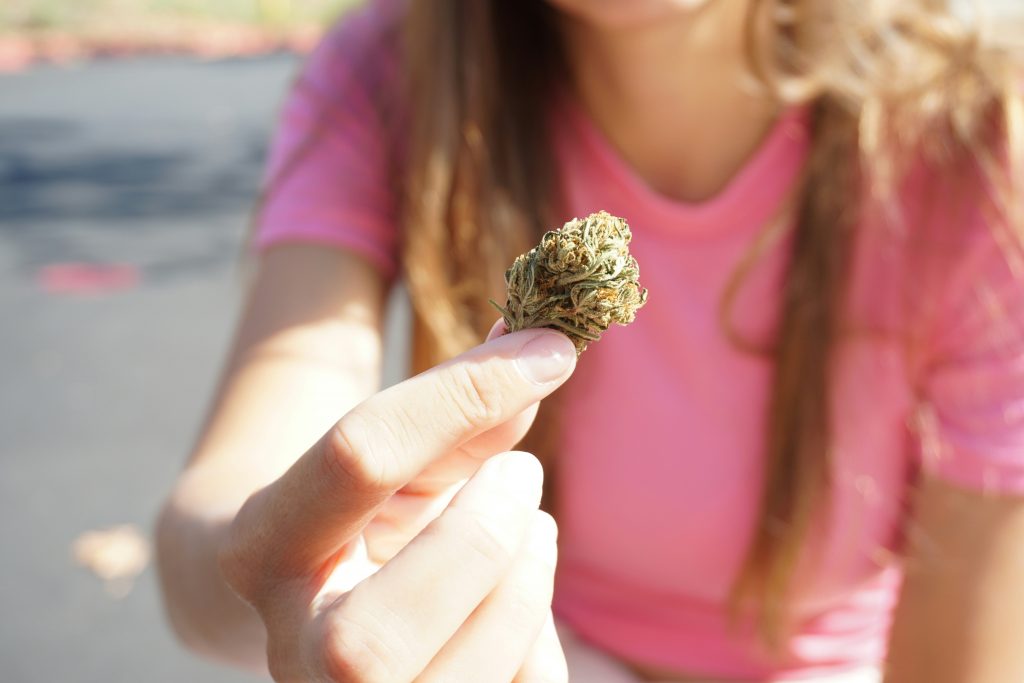
President Trump Signs Federal Ban on THC Made from Hemp
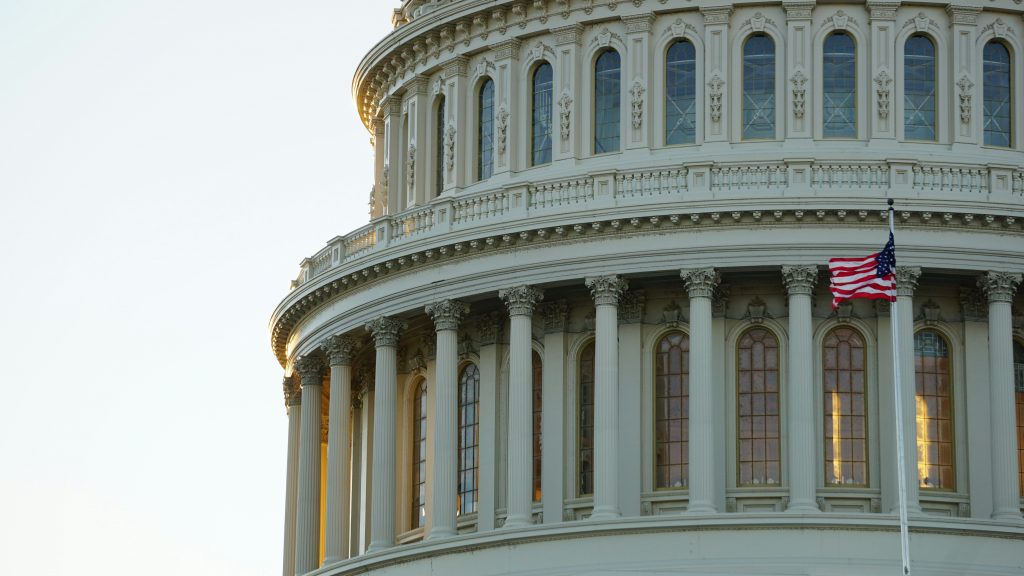
On November 12, President Trump signed H.R.5371 ending the longest government shutdown in U.S. history.

The measure provides funding to reopen the federal government. It also closes a loophole in federal law regarding dangerous drugs made from hemp.

In 2018, Congress passed the federal Farm Bill legalizing cannabis plants low in THC for use in textiles like hemp rope or cloth. THC is the main psychoactive substance in marijuana, and health experts warn the drug poses serious risks.

Instead of using hemp for textiles, manufacturers have found ways to extract and refine the small amount of THC in the plants. By doing this on a commercial scale, they can produce a lot of THC to infuse into drinks, candies, e-cigarettes, and other products.

Public health reports across America have shown drugs like the ones made from hemp have sent kids to the emergency room and prompted parents to call poison control centers.

In response, the U.S. Food and Drug Administration has said that federal law prohibits hemp-derived THC in food products, and states like MassachusettsSouth Dakota, and California have prohibited THC made from hemp.

In 2023, Arkansas passed Act 629 by Sen. Tyler Dees (R – Siloam Springs) and Rep. Jimmy Gazaway (R – Paragould) to prohibit THC made from industrial hemp. Family Council supported that good law, the legislature passed it, and the Eighth Circuit has upheld it as constitutional.

In September, the State of Arkansas announced authorities had seized 6,000 illegal THC products made from hemp as a result of that good law.

This year, lawmakers in Arkansas also rejected multiple bills that would have legalized drugs made from hemp.

With the passage of H.R.5371, Congress has finally closed the federal loophole concerning THC made from hemp. The measure addresses synthetic THC made from hemp, and it limits the THC content in hemp products to 0.4 milligrams — which is practically zero. Many of the hemp products currently on the market advertise anywhere from 5-10 milligrams of THC.

It’s good to see Congress protecting people from dangerous drugs made from hemp. As we have said for years, these drugs may be many things, but “harmless” simply is not one of them.

Articles appearing on this website are written with the aid of Family Council’s researchers and writers.

Seven Ways Marijuana is Harmful According to Science

A growing body of scientific evidence shows marijuana is harmful regardless of how people use it.

Below are seven ways marijuana is harmful, according to science.

1. Marijuana Users are Twice as Likely to Die from Heart Disease.

Marijuana has been tied to a number of deadly heart problems — including heart attack, heart failure, and stroke.

Researchers now say marijuana use raises a person’s risk of stroke by 20%, and it doubles a person’s risk of death from heart disease.

2. Marijuana Users Face a High Risk for Diabetes.

Research published this year shows shows marijuana is linked to a 400% increased risk for developing diabetes.

3. Marijuana Users are More Likely to Develop Cancers.

Experts have found heavy marijuana use is strongly linked to a 325% increased risk of oral cancer.

A 2024 study published in JAMA Otolaryngology found daily marijuana use is linked to a higher risk of head and neck cancers.

And the American Lung Association notes that marijuana smoke contains many of the same toxins and carcinogens found in tobacco.

4. Marijuana May Harm Fertility and Hurt Unborn Children.

Researchers have found that marijuana use may harm female fertility and increase chromosome errors.

THC — the main active substance in marijuana — can disrupt egg cell growth, alter important genes, and cause problems with chromosomes.

Marijuana use during pregnancy also has been shown to hurt unborn children and newborns.

5. Marijuana Use is Commonly Associated with Mental Disorders.

For years researchers have found links between marijuana use and serious mental health problems.

A recent study published in the American College of Physicians’ journal found marijuana that is high in THC is associated with “anxiety, depression, psychosis or schizophrenia, and cannabis use disorder (CUD).”

Researchers have raised concerns about the number of teens struggling with cannabis-induced mental disorders.

Experts have found heavy marijuana use is linked to paranoiaschizophrenia, self-harm, and other serious problems.

6. Marijuana is Tied to Cognitive Problems.

Experts routinely link marijuana use with dementia, memory loss, and lower cognitive abilities.

These effects may continue even after someone stops using marijuana.

7. Marijuana Users Face Greater Risk of Dependence and Addiction.

Marijuana is addictive, and studies have found nearly one-third of users develop some form of marijuana use disorder. The risk is even higher — up to 17% — for those who start using in adolescence.

Dependence and addiction can lead to a number of other physical and mental problems.

Conclusion

Scientific evidence shows again and again that marijuana is a health hazard, but marijuana also hurts whole communities.

Marijuana legalization in other states has actually fueled the black market, emboldened drug cartels, and increased the flow of illegal drugs across America. 

News outlets report Chinese organized crime is dominating black market marijuana in states where the drug is legal.

Arkansas State Police routinely confiscate illegal marijuana grown in other states.

In Arkansas, marijuana industry insiders worked unsuccessfully to expand marijuana via the state’s ballot initiative process in 2022 and 2024. Fortunately, neither of those bad measures passed.

All of this underscores what we have said for years: Marijuana may be many things, but “harmless” simply is not one of them.

Articles appearing on this website are written with the aid of Family Council’s researchers and writers.

Teens Who Use Marijuana Suffer Later in Life: New Study

Researchers say teens who use marijuana may be more likely to develop health problems in adulthood.

The study published in JAMA Network Open looked at health data from 1,591 individuals.

Researchers found adolescents who started using marijuana before age 15 and who used it frequently were at greater risk of needing physical and mental medical care in young adulthood, compared to those who did not use marijuana.

Adolescents who used marijuana later also faced greater risk of needing medical care for physical health conditions.

A growing body of research shows that marijuana is harmful regardless of how or why people use it.

Researchers have raised concerns about the number of teens struggling with cannabis-induced mental disorders.

Heavy marijuana use is linked to paranoiaschizophrenia, self-harm, and other serious problems.

Marijuana has been tied to an increased risk for diabetes and a number of deadly heart problems — including heart attack, heart failure, and stroke.

Researchers now say marijuana use doubles a person’s risk of death from heart disease. 

Experts also have found heavy marijuana use is strongly linked to a 325% increased risk of oral cancer.

In Arkansas, marijuana industry insiders worked unsuccessfully to expand marijuana via the state’s ballot initiative process in 2022 and 2024. Fortunately, neither of those bad measures passed.

All of this underscores what we have said for years: Marijuana may be many things, but “harmless” simply is not one of them.

Articles appearing on this website are written with the aid of Family Council’s researchers and writers.