

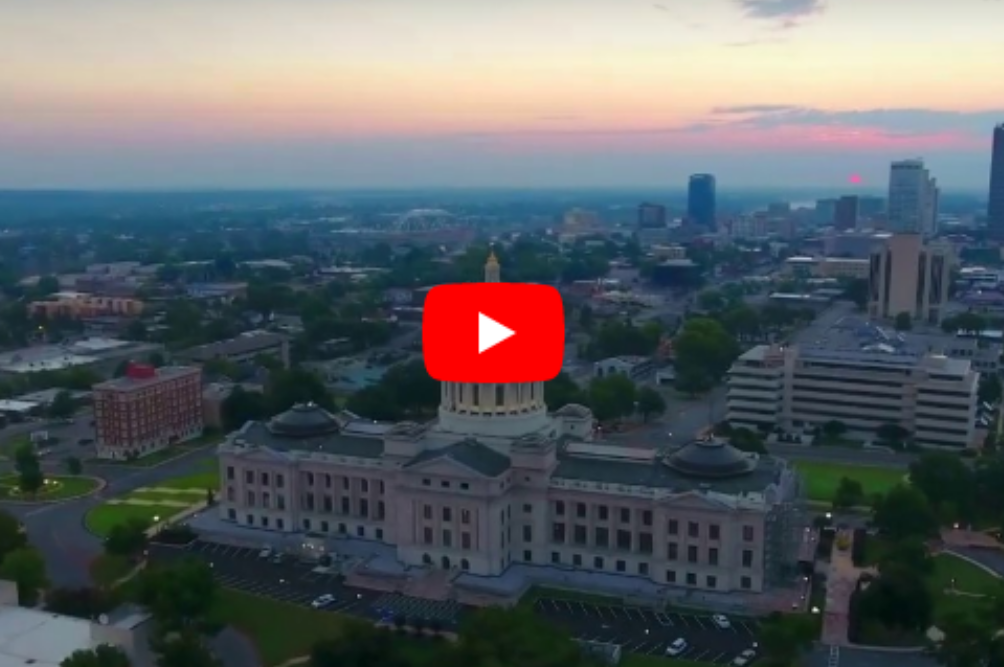


State of Arkansas Has Invested $111M+ in School Choice Since July 1

Data from the state’s official transparency website shows Arkansas has spent more than $111 million on its school choice program since July 1.
In 2023, lawmakers passed the LEARNS Act overhauling public education in Arkansas and making it possible for students to use public dollars to pay for an education at a public or private school or through home schooling. Family Council and our homeschool division, the Education Alliance, were pleased to support this good law, because it gives families educational opportunities.
The State of Arkansas reportedly spent $111,138,210 on Educational Freedom Accounts under the LEARNS Act from July 1 through October 31 of this year. Administrative costs have accounted for $916,574 of the program’s spending. The other $110.2 million went to pay for education expenses.
Last spring, the General Assembly budgeted nearly $187.5 million for the Educational Freedom Accounts for the 2025-2026 school year and placed $90 million in its Restricted Reserve Fund set aside for the program.
Since the LEARNS Act launched in 2023, thousands of students have taken advantage of school choice in Arkansas. Many families feel that public education has deteriorated over the years, and they don’t like the direction it is heading. For those families, programs like the LEARNS Act could empower them with real alternatives that help their children succeed. That is part of the reason Family Council has supported the LEARNS Act.
Articles appearing on this website are written with the aid of Family Council’s researchers and writers.
President Trump Signs Federal Ban on THC Made from Hemp
On November 12, President Trump signed H.R.5371 ending the longest government shutdown in U.S. history.
The measure provides funding to reopen the federal government. It also closes a loophole in federal law regarding dangerous drugs made from hemp.
In 2018, Congress passed the federal Farm Bill legalizing cannabis plants low in THC for use in textiles like hemp rope or cloth. THC is the main psychoactive substance in marijuana, and health experts warn the drug poses serious risks.
Instead of using hemp for textiles, manufacturers have found ways to extract and refine the small amount of THC in the plants. By doing this on a commercial scale, they can produce a lot of THC to infuse into drinks, candies, e-cigarettes, and other products.
Public health reports across America have shown drugs like the ones made from hemp have sent kids to the emergency room and prompted parents to call poison control centers.
In response, the U.S. Food and Drug Administration has said that federal law prohibits hemp-derived THC in food products, and states like Massachusetts, South Dakota, and California have prohibited THC made from hemp.
In 2023, Arkansas passed Act 629 by Sen. Tyler Dees (R – Siloam Springs) and Rep. Jimmy Gazaway (R – Paragould) to prohibit THC made from industrial hemp. Family Council supported that good law, the legislature passed it, and the Eighth Circuit has upheld it as constitutional.
In September, the State of Arkansas announced authorities had seized 6,000 illegal THC products made from hemp as a result of that good law.
This year, lawmakers in Arkansas also rejected multiple bills that would have legalized drugs made from hemp.
With the passage of H.R.5371, Congress has finally closed the federal loophole concerning THC made from hemp. The measure addresses synthetic THC made from hemp, and it limits the THC content in hemp products to 0.4 milligrams — which is practically zero. Many of the hemp products currently on the market advertise anywhere from 5-10 milligrams of THC.
It’s good to see Congress protecting people from dangerous drugs made from hemp. As we have said for years, these drugs may be many things, but “harmless” simply is not one of them.
Articles appearing on this website are written with the aid of Family Council’s researchers and writers.