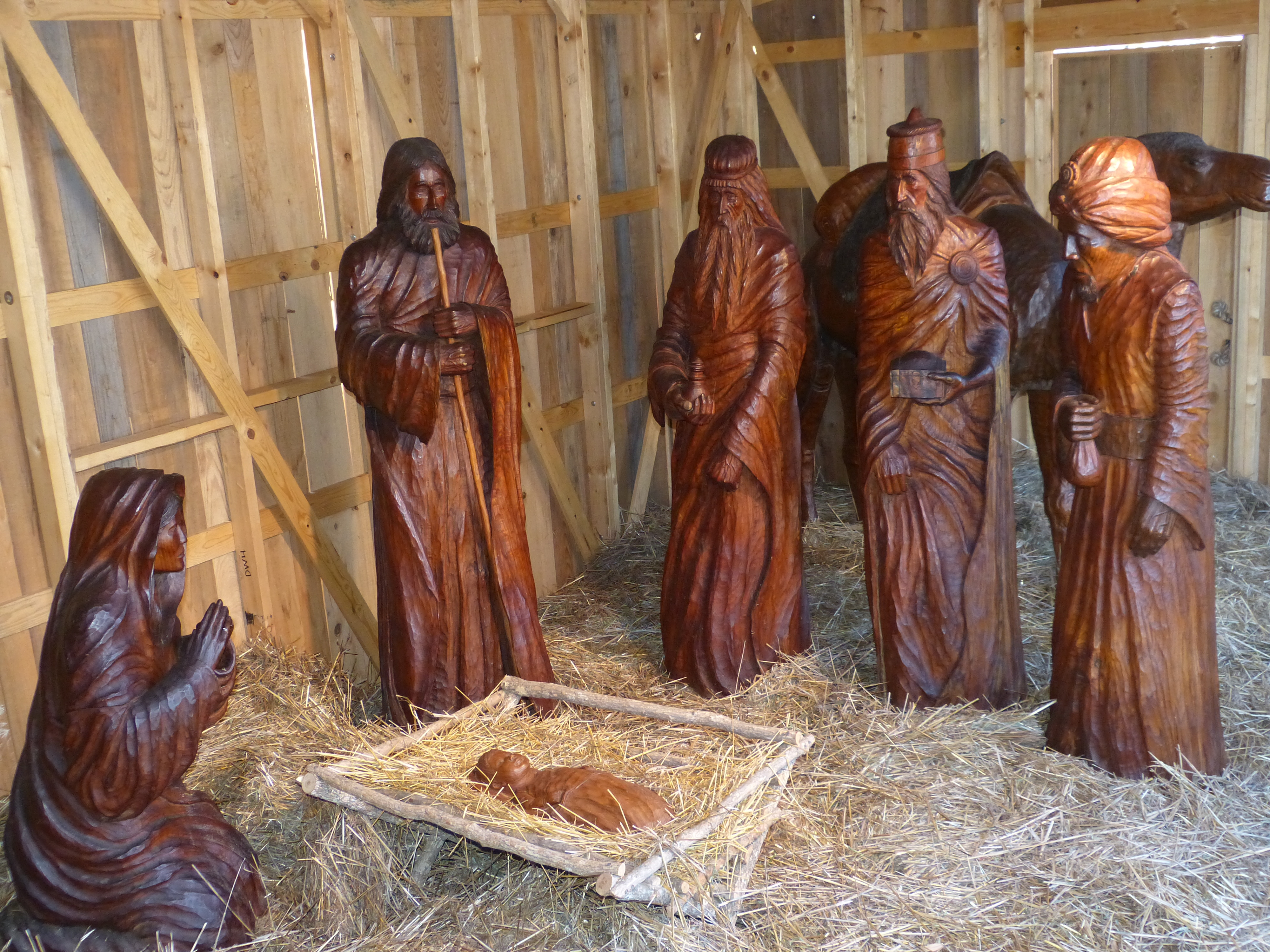
 Last year we debunked seven myths about Christmas celebrations at public schools. Today we are revisiting those seven myths.
Seven Myths About Christmas and Public Schools
Adapted From a Fact Sheet Provided by Alliance Defending Freedom
Myth #1: Students are not allowed to sing religious Christmas carols in public schools.
Fact: During school activities, such as choir, Christmas programs, and other events in public schools, students can sing religious carols along with secular ones without offending the U.S. Constitution if the school has a secular purpose for including the religious songs; for example, advancing students’ knowledge of society’s cultural and religious heritage and the opportunity for students to perform a full range of music, poetry, and drama.
Myth #2: It is unconstitutional for school officials to refer to a school break as a “Christmas Holiday.”
Fact: The Supreme Court has acknowledged the government’s long-standing recognition of holidays with religious significance, such as Christmas. Congress has even proclaimed Christmas to be a legal public holiday.
Myth #3: It is unconstitutional for public schools to close on religious holidays, such as Christmas and Good Friday.
Fact: The Establishment Clause doesn’t prohibit state officials from choosing a religious day as the day for a legal holiday.
Myth #4: Public schools have to recognize all religious holidays if they recognize Christmas.
Fact: A school does not have a legal duty to recognize every religious holiday simply because an existing school holiday coincides with a particular religious celebration.
Myth #5: It is constitutional for public schools to ban teachers and students from saying “Merry Christmas.”
Fact: The Supreme Court has stated that teachers and students do not “shed their constitutional rights to freedom of speech or expression at the schoolhouse gate.” Guidelines issued by U.S. Secretary of Education Richard Riley (who served under President Clinton) state “students therefore have the same right to engage in…religious discussion during the school day as they do to engage in other comparable activity.” Teachers have the right to greet students with the words “Merry Christmas,” in spite of their role as agents of the state. Saying a simple greeting that people commonly use in December does not violate the Establishment Clause.
Myth #6: Public schools cannot have students study the religious origins of Christmas and read the biblical accounts of the birth of Christ.
Fact: The Supreme Court has stated that “the Bible may constitutionally be used in an appropriate study of history, civilization, ethics, comparative religion, or the like.” The term “study” has been defined to include more than mere classroom instruction; public concerts and performances may be a legitimate part of secular study.
Myth #7: Public schools cannot display religious symbols.
Fact: The display of a nativity scene is constitutional if it is displayed for legitimate secular purposes, such as to celebrate the holiday and to depict the origins of the holiday. A public school is free to display a nativity scene among other forms of religious and secular seasonal expression.
READ MORE


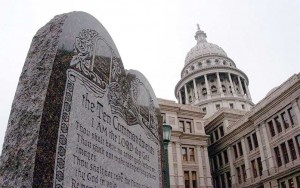 Recently we wrote how the City of El Dorado wasn’t yielding to atheist groups who oppose the city’s 40 Days of Prayer campaigns.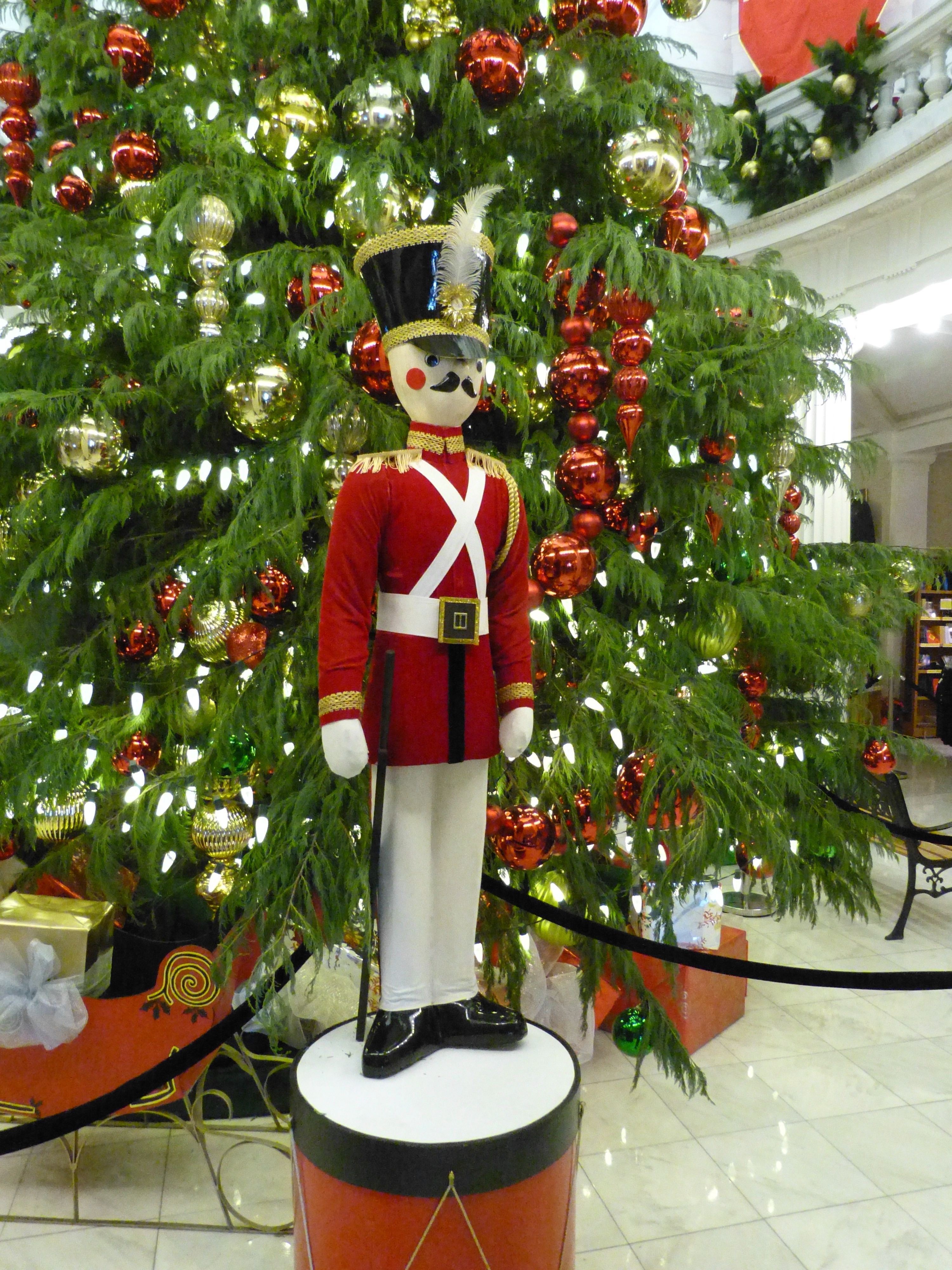
 This time of year, many stores offer discounts for Christmas shoppers, but for whatever reason some of the stores fail to acknowledge Christmas itself.