

Most Americans Want to Keep Kids Off Social Media
A recent survey from the Pew Research Center shows most Americans support banning children under 16 from using social media.
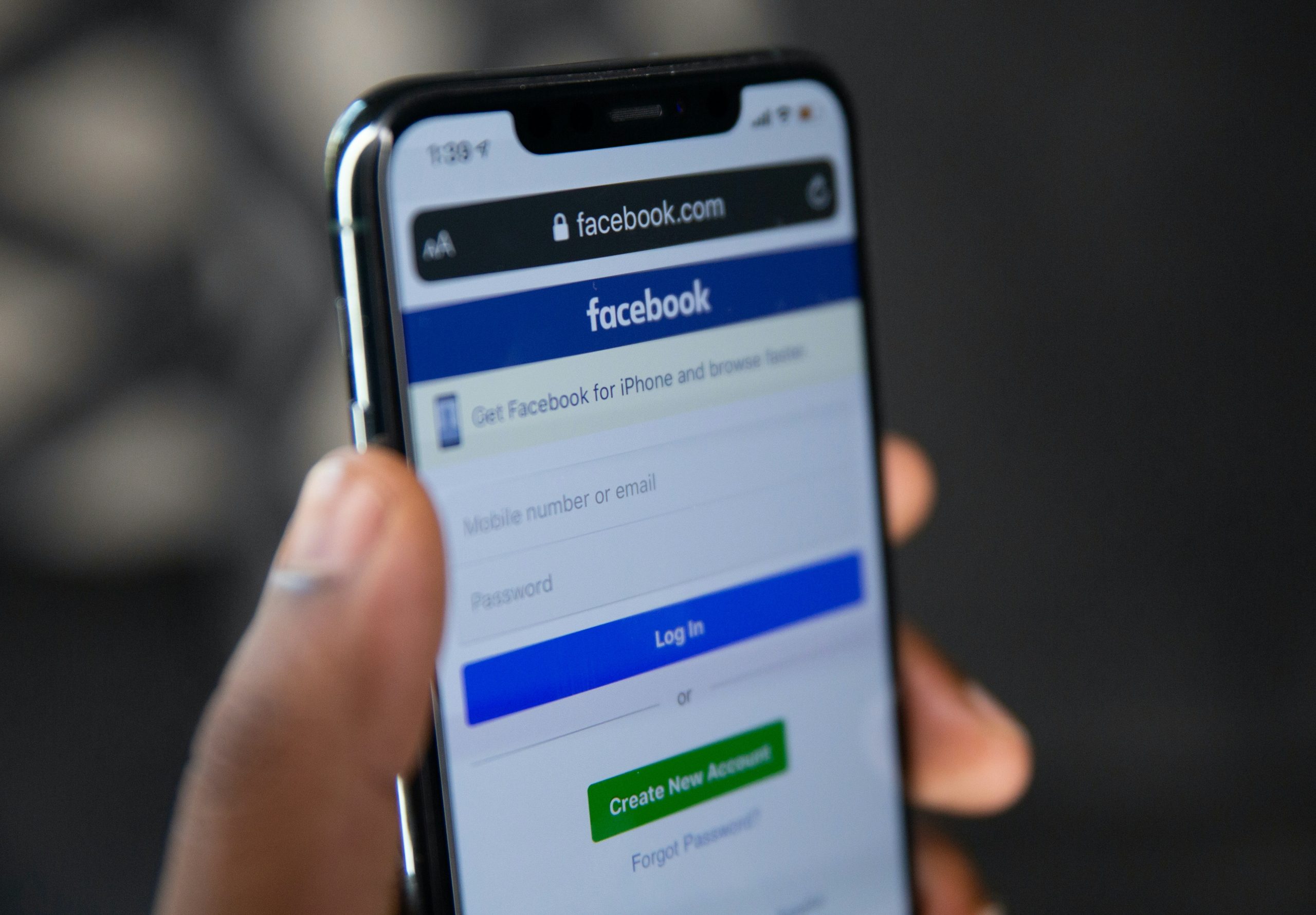
Between Facebook, Instagram, X, TikTok, YouTube, and other platforms, most teens and young adults are on some form of social media. The U.S. Surgeon General says 95% of American teenagers use social media, and about one-third say they use it “almost constantly.” But parents, policymakers, and pundits have raised concerns about the harm that social media can cause to kids.
According the survey Pew conducted, 56% of U.S. adults support a ban on social media use for anyone under 16. Only 21% oppose it. Pew found support for the ban is bipartisan and is strong across every major age group. Among parents with children under 18, with 65% support keeping kids off social media.
Besides banning social media for children under 16, adults support other restrictions on social media platforms. Eighty-five percent support requiring parental consent before a child can create a social media account. Seventy-eight percent support age verification requirements for social media platforms. Another 78% support setting time limits on how long minors can use these platforms. All of these figures are up from past surveys — which shows more and more Americans believe social media platforms need guardrails when it comes to children.
A growing body of evidence shows that — by design — social media platforms are not appropriate for children.
Arkansas Attorney General Tim Griffin has filed a lawsuit accusing Facebook and Instagram of using algorithms intentionally designed “to exploit human psychology and foster addiction to maximize users’ screen time.” TikTok has been accused of serving kids a steady “diet of darkness” online. Courts in New Mexico and California have already found Meta liable for harming children on its platforms.
Social media is more than just websites or phone apps. These are multibillion dollar businesses with tremendous influence. The adults who own and profit from these businesses have a responsibility to protect children on their platforms.
Arkansas has been ahead of the curve on this issue. The Arkansas Legislature passed laws designed to protect children online, and Arkansas Attorney General Tim Griffin has sued Meta and TikTok in state court. In fact, Family Council is not aware of any attorney general in America who is doing more to hold social media giants accountable and protect children online than Attorney General Griffin. But more needs to be done.
Pew’s survey confirms that adults understand these platforms are not safe for kids and support stronger protections for children online. Policymakers need to be sure those protections are put in place.
Articles appearing on this website are written with the aid of Family Council’s researchers and writers.
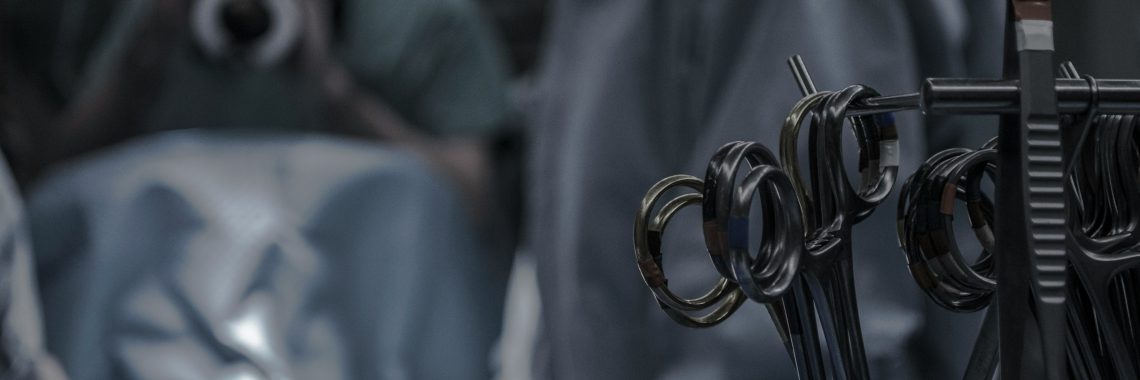

Doctors Allege Planned Parenthood May Be Committing Fraud to Cover Up Sex-Change Procedures

Health experts are alleging that Planned Parenthood may be committing fraud to hide the reason it is giving cross-sex hormones to patients — including minors.
According to a report from the Washington Examiner, Planned Parenthood facilities in Pennsylvania have been using a billing code for “endocrine disorder, unspecified” when prescribing cross-sex hormones, rather than using the accurate billing code for gender identity disorder. Multiple physicians say this practice could amount to fraud.
Dr. Miriam Grossman testified before the Federal Trade Commission last year that the use of these alternative billing codes is intentional — done specifically to ensure payment for procedures that might otherwise be denied.
Besides being the nation’s leading abortionist, Planned Parenthood has also become a major provider of gender-transition drugs and procedures. As we have reported before, Planned Parenthood facilities in Arkansas both advertise so-called “gender-affirming care” on their websites.
Pro-lifers have also reported that Planned Parenthood is willing to prescribe cross-sex hormones to teenagers — sometimes at the very first appointment, without any mental health evaluation.
While Planned Parenthood continues to promote sex-change procedures, medical experts are sounding the alarm about how dangerous these procedures can be — especially for children.
Whistleblowers have come forward testifying about how they were rushed through gender transitions as children without understanding the procedures’ risks, consequences, or alternatives, and public health experts and policymakers in the U.S., the U.K., Sweden, Finland, and other nations have found that science simply does not support “gender transitions” for kids.
In 2021, lawmakers in Arkansas passed the Save Adolescents from Experimentation (SAFE) Act. This good law generally prohibits doctors from performing sex-change procedures on children or giving them puberty blockers and cross-sex hormones.
A federal court upheld the SAFE Act last year — meaning it is protecting children in Arkansas at this very moment.
Arkansas was the first state in America to enact a law like the SAFE Act, but since 2021 lawmakers in more than half the country have passed similar legislation. These measures are on the books, protecting children from the kinds of drugs and hormones Planned Parenthood sells. That’s something to celebrate.
Articles appearing on this website are written with the aid of Family Council’s researchers and writers.