
The Ongoing Link Between Marijuana and Psychosis

On November 3 voters in several states passed ballot measures in favor of marijuana, and Oregon became the first U. S. state to legalize “magic mushrooms” for therapeutic use.

The rapid expansion of drugs in America has a number of healthcare professionals discussing the link between marijuana and psychosis.

Dr. Kenneth Finn, Pain Medicine Physician in Colorado, recently told a news outlet in San Antonio about the dangers of adolescent marijuana use, saying,

“When you’re having a fragile brain that is still developing and having negative impacts on that, some of those bridges, you cannot uncross, like the schizophrenic or the psychosis, some of that those symptoms persist even after cessation of [marijuana] use,”

The Mayo Clinic recently updated its information regarding marijuana, saying,

Marijuana use might worsen manic symptoms in people who have bipolar disorder. If used frequently, marijuana might increase the risk of depression or worsen depression symptoms. Research suggests that marijuana use increases the risk of psychosis in people who have schizophrenia.

Smoking marijuana can affect your memory and cognitive function and cause harmful cardiovascular effects, such as high blood pressure. Long-term marijuana use can worsen respiratory conditions.

And Psycom Pro, a resource for mental health professionals, writes,

Medical cannabis is not recommended [for patients with psychosis] as it can trigger and worsen psychosis in those diagnosed with schizophrenia as well as in those with an increased risk for developing schizophrenia.

A study published last year found that marijuana legalization has been linked to psychosis, suicide, and other substance abuse.

A recent study published in the Journal of the American Medical Association’s publication JAMA Psychiatry found exposure to marijuana during pregnancy was associated with psychotic behaviors, weaker cognitive abilities, and other problems in children.

Despite all of the research linking marijuana use with psychosis and psychiatric problems — particularly in children — Arkansas law lets doctors certify children to use marijuana for psychiatric conditions like PTSD.

In fact an Arkansas abortionist got in trouble with the State Medical Board for the evaluation methods he used earlier this year when he certified a 12 year old girl with psychiatric problems to use marijuana.

All of this underscores what we have said for years: Marijuana may be many things, but “harmless” simply is not one of them.
Washington County Republican Committee Passes Resolution Against Hate Crimes Legislation

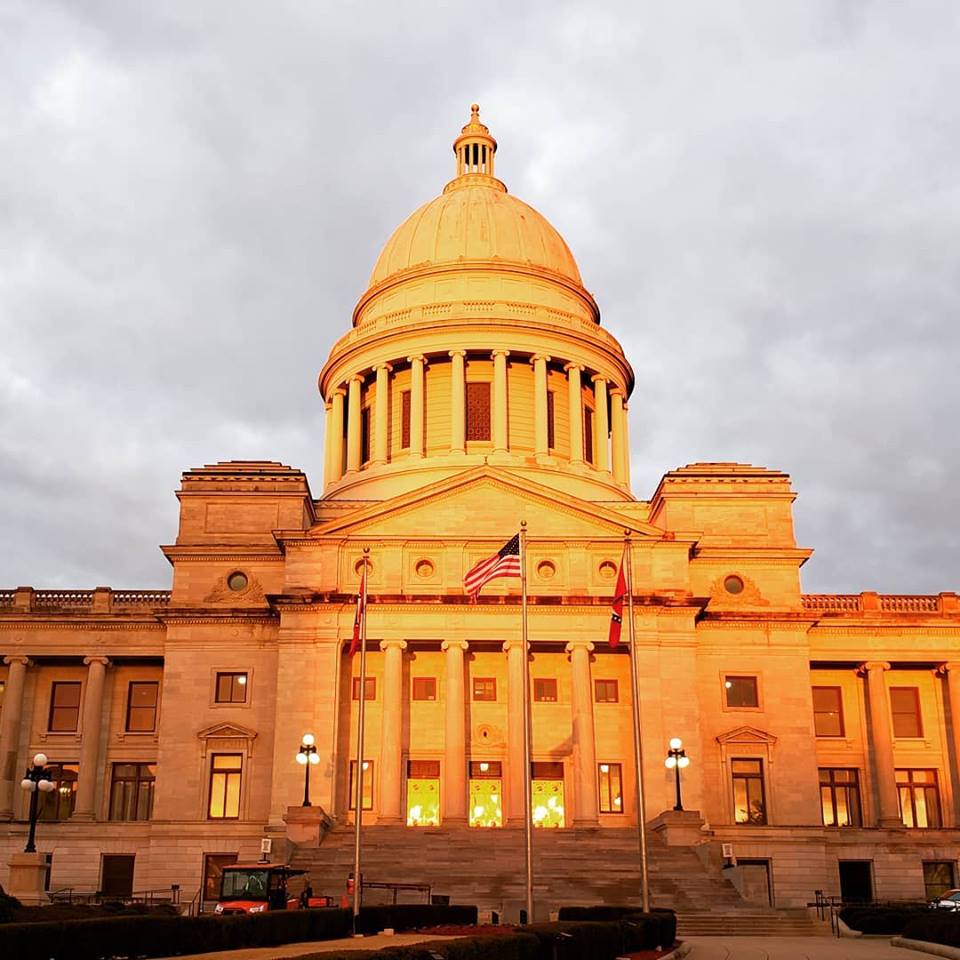
On Wednesday the Washington County Republican Committee passed a resolution calling on the Arkansas Legislature to reject any hate crimes legislation in Arkansas.

The resolution reads,

A Resolution Opposed to Hate Crime Legislation in Arkansas

WHEREAS, the Republican Party was founded in 1854 by a group of people who were united in their desire to abolish slavery; and,

WHEREAS, the Republican Party abolished slavery in 1865, passed the 14th Amendment to the United States constitution in 1866, passed the 19th Amendment in 1919 guaranteeing women the right to vote, granted Native Americans citizenship in 1924, and integrated the Little Rock School District and passed the Civil Rights Act in 1957; and,

WHEREAS, the Republican Party has been the only party fighting “hate crimes” throughout the history of our county; and,

WHEREAS, in addition to these achievements, the Republican Party has also fought for the adherence to impartial justice and equity, all of which is shared by the Washington County Republican Committee; and,

WHEREAS, our Nation currently is seeing partiality, intemperate behavior, and violence stemming from situations unwittingly or deliberately presented as unjust;

Whereas against such a background, legislation is to be considered by the Arkansas Legislature to enact a “hate crime” bill;

Whereas such a bill proposes to increase criminal penalties due to perceived intents of perpetrators, intents stemming from characteristics of victims which can be based upon what is increasingly being known as identity politics;

Whereas Arkansas and Federal laws already contain provisions for aggravating and mitigating circumstances based upon empirical evaluation of criminal activities;

Whereas those provisions include divisions between misdemeanors and felonies and recognition of varied degrees of offense;

Whereas prosecutors and the courts are permitted further discretions in application of such laws;

Whereas such divisions and discretions against the backdrop of dispassionate legislation allow for careful application of justice designed to be separate from emotions and transient thoughts;

Whereas hate crime legislation is largely symbolic and provides no deterrent to criminal activity;

Whereas provisions to minutely examine intents of criminal defendants can ultimately expand into the criminalization of beliefs, or so-called “thought crimes;”

Whereas such expansion can also have a chilling effect on legitimate First Amendment freedoms of speech, assembly, and religious practice and belief;

Whereas such expansion can also open the door to criminalization of other legitimate social behaviors considered by some to be politically incorrect, behaviors which in some cases are already being sanctioned by job and other income losses and by social harassment;

Now, therefore, given our concerns listed above, be it resolved by the Washington County Republican Committee that we request the Arkansas Legislature to affirm its adherence to dispassionate justice by rejecting any hate crime legislation for our State.

On Monday, Sen. Jim Hendren (R – Gravette) and Rep. Fred Love (D – Little Rock) filed S.B. 3 to enact hate crimes legislation in Arkansas.

Family Council has opposed hate crimes legislation like S.B. 3 for more than 25 years. You can read more about why we oppose it here.