
Arkansas State Police Seize Nearly One Ton of of Illegal Drugs Made from Marijuana

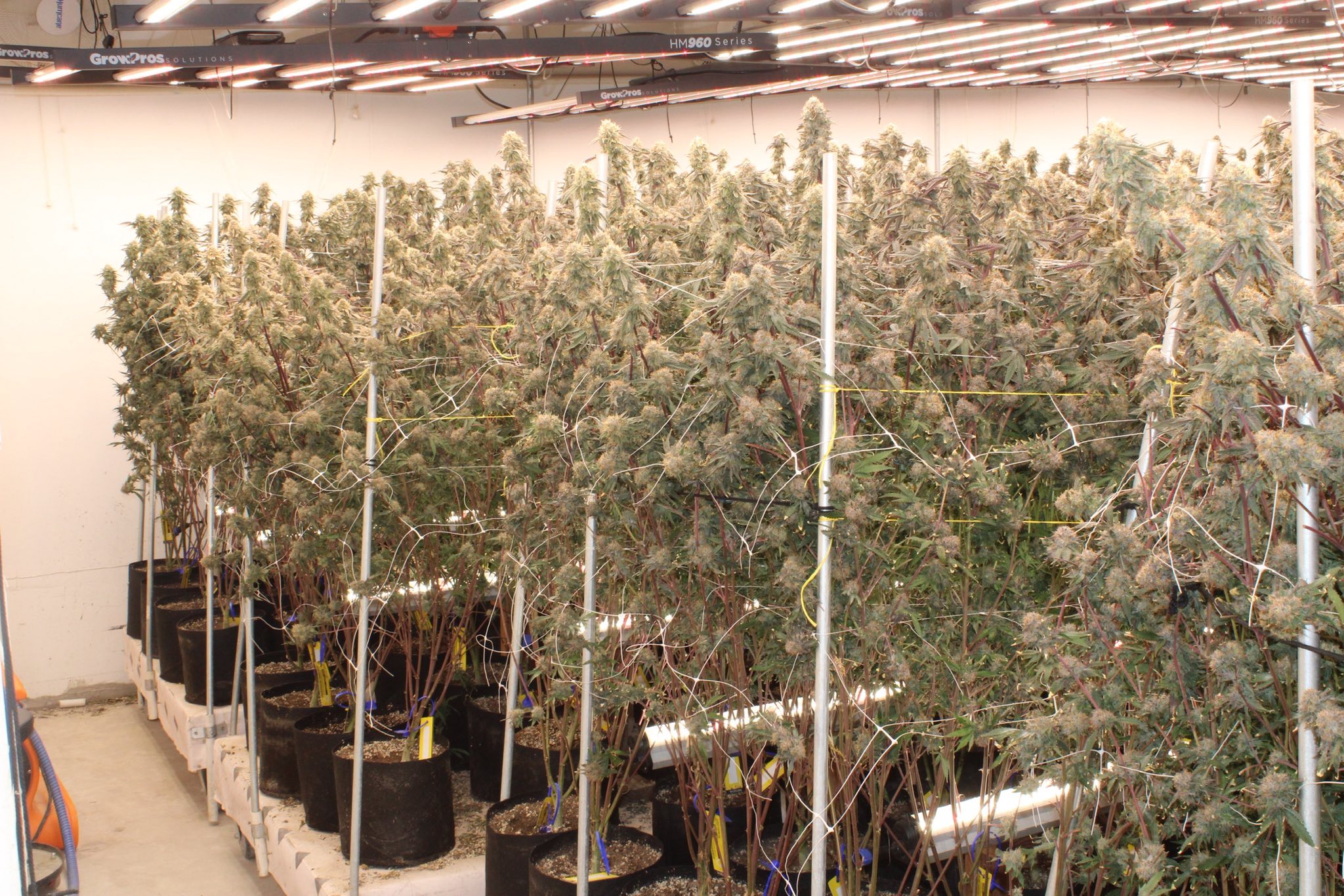
Above: Authorities in Arkansas seized a pallet of illegal drugs made from marijuana on November 17.

Last week, Arkansas State Troopers seized 1,987 pounds of illegal drugs made from marijuana.

In a statement, the Arkansas State Police said:

On Monday, November 17, 2025, at approximately 10:30 a.m., Arkansas State Police (ASP) Troopers conducted a traffic stop on a tractor-trailer near the 173-mile marker eastbound on Interstate 40 in Lonoke County, for a traffic violation.

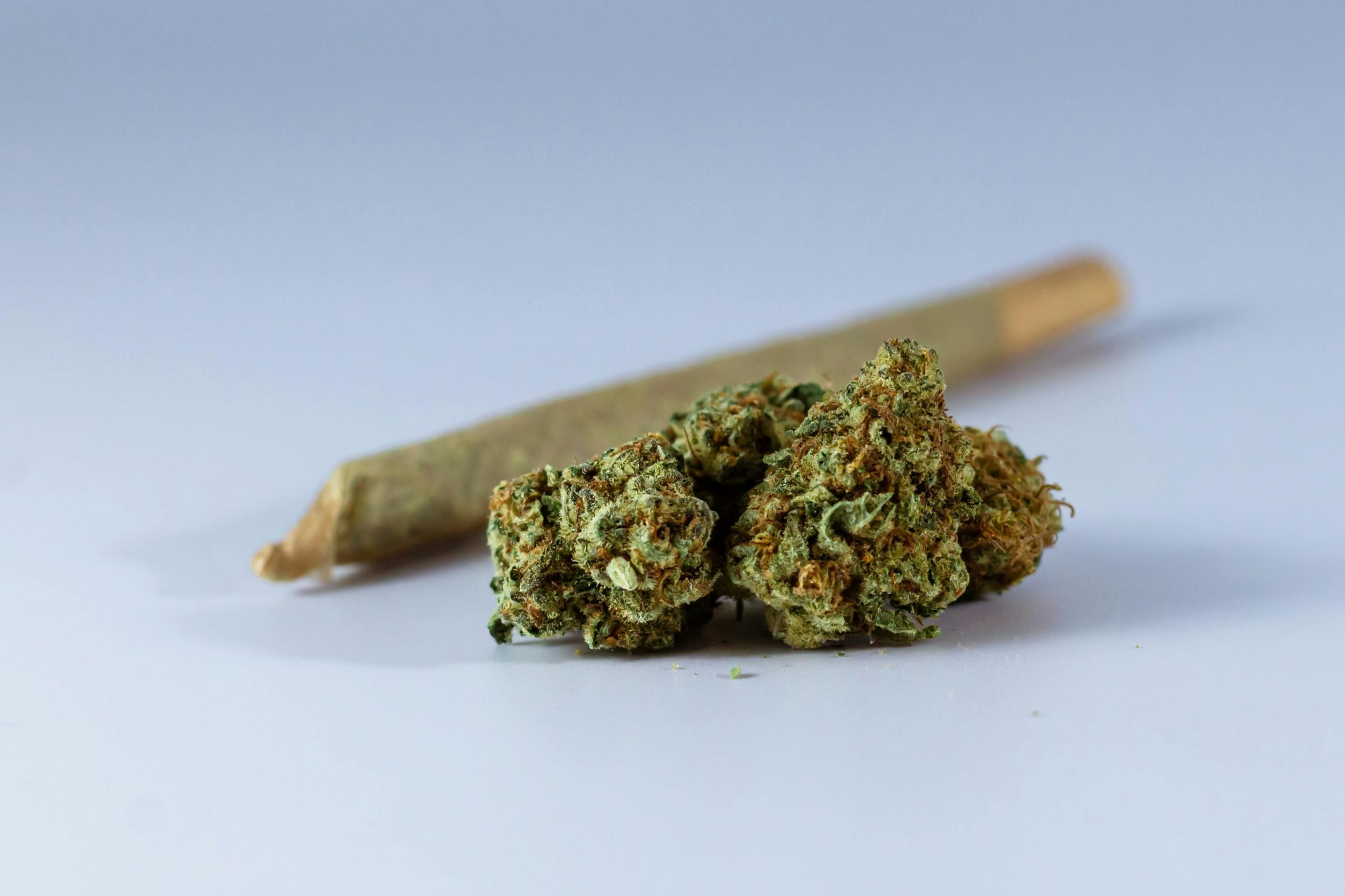
During a search of the trailer, Troopers discovered four pallets of cardboard boxes containing 960 pounds of illegal marijuana, 1,000 pounds of THC products, and 27 pounds of synthetic marijuana.

Additionally, a firearm was located in the sleeper compartment of the cab.

Troopers arrested the driver, Tobias Xavier Taylor, 37, of Richmond, Virginia, and transported him to the Lonoke County Detention Center.

Taylor is facing multiple felony charges, including Trafficking a Controlled Substance, Simultaneous Possession of Drugs and Firearms, Unauthorized Use of Another Person’s Property to Facilitate Certain Crimes, and Possession of Drug Paraphernalia.

Contrary to popular belief, legalization has actually emboldened drug cartels and increased the flow of illegal marijuana products across the country. Arkansas State Police routinely confiscate marijuana grown in states where it is legal.

The U.S. Department of Justice has said organized crime from Mexico and China may be making millions of dollars from illegal marijuana in states like California, Maine, New York, and Massachusetts.

Some of these illegal marijuana operations are tied to labor trafficking, violent crime, and foreign adversaries like the Chinese Communist Party.

NPR has reported that illegal immigrants from China “are taking jobs at hundreds of cannabis farms springing up across the U.S.” Other correspondents have revealed how these illegal marijuana operations contribute to “modern day slavery on American soil.”

That’s one of the reasons Arkansans should think twice before voting to expand marijuana in the state.

All of this underscores what we have said for years: Marijuana may be many things, but “harmless” simply is not one of them.

Articles appearing on this website are written with the aid of Family Council’s researchers and writers.
Authorities in Georgia Seize Hundreds of Pounds of Illegal Marijuana Linked to Drug Cartels

Earlier this month, authorities in Georgia arrested three men and seized 500 pounds of illegal marijuana believed to be linked to Mexican drug cartels.

CBS News in Atlanta reports:

Jubenal Farfan Arellano, 52, and Omar Flores Mena, 33, both of Mexico, and Jose Radilla Maldonado, 29, of Sandy Springs, Georgia, were arrested and charged with racketeering and conspiracy to violate Georgia’s Controlled Substances Act. Flores is also charged with possession of cocaine and methamphetamine.

The arrests came after law enforcement agencies executed five search warrants on Oct. 29 and Oct. 30 in Woodstock, Sandy Springs, and Atlanta.

Investigators seized more than 500 pounds of marijuana packaged for distribution, along with nine firearms. Agents say the investigation uncovered evidence that associates of the Cartel Jalisco New Generation, also known as CJNG, were working with local contacts to traffic marijuana, cocaine, methamphetamine, and firearms across the area.

Contrary to popular belief, marijuana legalization in states like California and Colorado has actually emboldened drug cartels and increased the flow of illegal drugs across America — including Arkansas.

The U.S. Department of Justice has said organized crime from Mexico and China may be making millions of dollars from black market marijuana in America.

The FBI recently announced charges against seven Chinese nationals for their alleged roles in a multimillion-dollar marijuana scheme that involved money laundering, drug smuggling, and human trafficking.

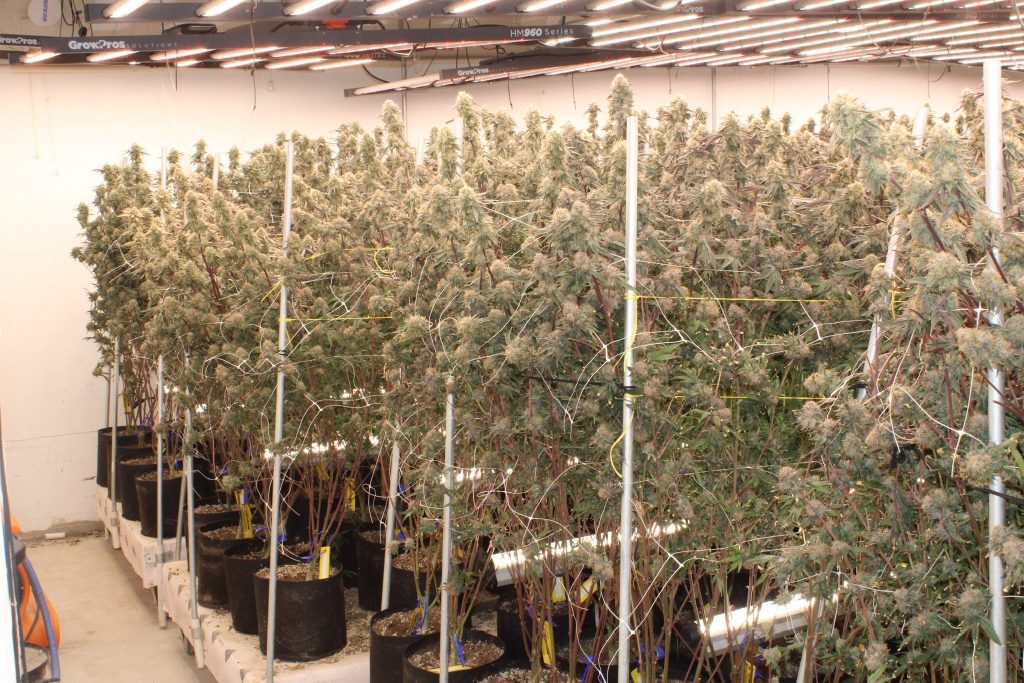
Oklahoma has legalized marijuana, but in June, Oklahoma Attorney General Gentner Drummond announced his Organized Crime Task Force seized nearly 41,000 illegal marijuana plants and more than 1,000 pounds of processed marijuana in a single sting operation. Drummond indicated “Chinese crime syndicates and Mexican drug cartels” are behind the illegal marijuana.

Arkansas State Police routinely confiscate illegal marijuana grown in other states.

Last year marijuana’s supporters spent more than $1.9 million on a flawed ballot measure to legalize marijuana in Arkansas. The proposal would have amended the Arkansas Constitution to give a handful of businesses a monopoly over marijuana in the state, and it would have removed restrictions that protect children from marijuana marketing. The proposal also failed to limit the amount of THC in marijuana products — which is a serious concern.

All of this would have meant more marijuana in Arkansas.

It’s worth noting that marijuana is tied to a host of health concerns. Science now links marijuana to various cancersmemory problemsbirth defects, and deadly heart conditions — including heart attack, heart failure, and stroke. In fact, some researchers now say marijuana use doubles a person’s risk of death from heart disease.

All of this underscores what we have said for years: Marijuana may be many things, but “harmless” simply is not one of them.

Articles appearing on this website are written with the aid of Family Council’s researchers and writers.
President Trump Signs Federal Ban on THC Made from Hemp

On November 12, President Trump signed H.R.5371 ending the longest government shutdown in U.S. history.

The measure provides funding to reopen the federal government. It also closes a loophole in federal law regarding dangerous drugs made from hemp.

In 2018, Congress passed the federal Farm Bill legalizing cannabis plants low in THC for use in textiles like hemp rope or cloth. THC is the main psychoactive substance in marijuana, and health experts warn the drug poses serious risks.

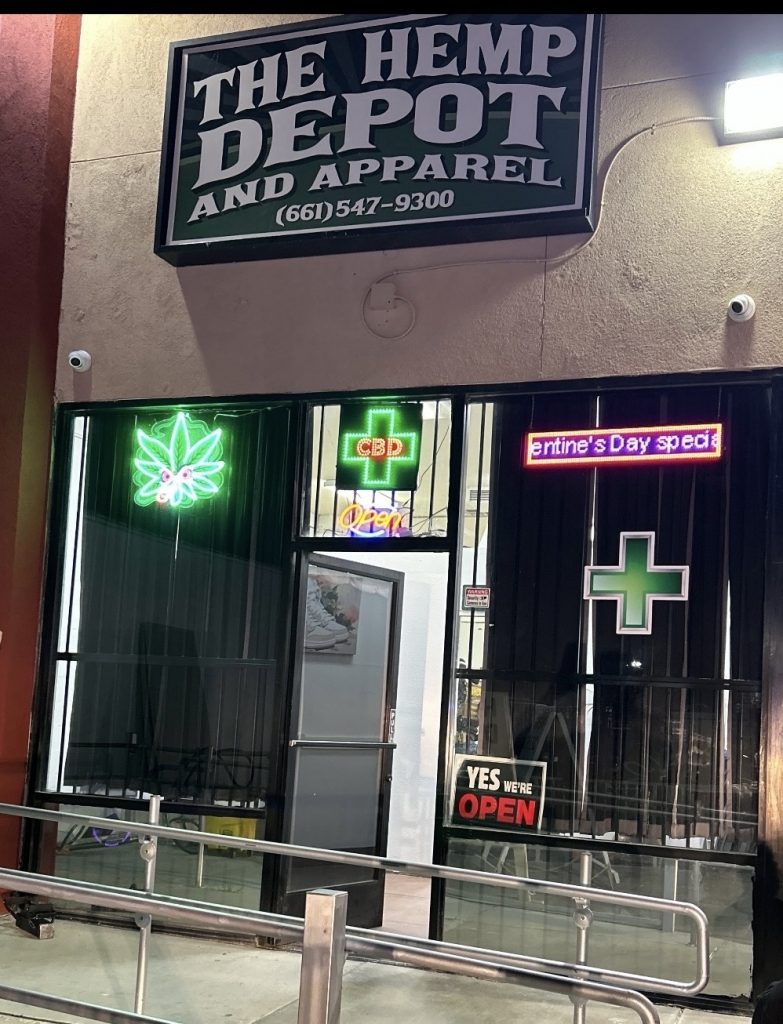
Instead of using hemp for textiles, manufacturers have found ways to extract and refine the small amount of THC in the plants. By doing this on a commercial scale, they can produce a lot of THC to infuse into drinks, candies, e-cigarettes, and other products.

Public health reports across America have shown drugs like the ones made from hemp have sent kids to the emergency room and prompted parents to call poison control centers.

In response, the U.S. Food and Drug Administration has said that federal law prohibits hemp-derived THC in food products, and states like MassachusettsSouth Dakota, and California have prohibited THC made from hemp.

In 2023, Arkansas passed Act 629 by Sen. Tyler Dees (R – Siloam Springs) and Rep. Jimmy Gazaway (R – Paragould) to prohibit THC made from industrial hemp. Family Council supported that good law, the legislature passed it, and the Eighth Circuit has upheld it as constitutional.

In September, the State of Arkansas announced authorities had seized 6,000 illegal THC products made from hemp as a result of that good law.

This year, lawmakers in Arkansas also rejected multiple bills that would have legalized drugs made from hemp.

With the passage of H.R.5371, Congress has finally closed the federal loophole concerning THC made from hemp. The measure addresses synthetic THC made from hemp, and it limits the THC content in hemp products to 0.4 milligrams — which is practically zero. Many of the hemp products currently on the market advertise anywhere from 5-10 milligrams of THC.

It’s good to see Congress protecting people from dangerous drugs made from hemp. As we have said for years, these drugs may be many things, but “harmless” simply is not one of them.

Articles appearing on this website are written with the aid of Family Council’s researchers and writers.