
Fortune 500 Companies Abandon Pro-LGBT Pandering

The tide continues to turn against corporate pro-LGBT activism.

Evidence shows that Fortune 500 companies are fleeing the Human Rights Campaign’s Corporate Equality Index in record numbers. The pro-LGBT organization’s 2026 index lost a whopping 65% of its Fortune 500 participants, dropping from 377 companies in 2025 to just 131 this year.

The Washington Stand traces this shift back to the 2023, when Anheuser-Busch sent transgender social media influencer Dylan Mulvaney a novelty can of Bud Light with Mulvaney’s picture on it. Mulvaney posted a video of himself dressed like Audrey Hepburn showcasing the Bud Light can — which led to backlash and boycotts from Bud Light drinkers nationwide. The company’s subsequent P.R. backpedaling simply managed to offend customers and LGBT activists alike.

That novelty can of Bud Light ended up costing the company more than $1 billion in lost sales, and the brand has never fully recovered.

Seeing a brand like Bud Light singlehandedly overthrow itself as America’s bestselling beer caught the corporate world’s attention. Since then, many major corporations have reduced their LGBT themed marketing, rolled back pro-LGBT policies, and stopped participating in HRC’s Corporate Equality Index.

It’s worth pointing out that HRC’s Corporate Equality Index puts some heavy requirements on businesses that participate. To get a perfect score on the index, companies must agree to demands like covering the cost of gender-transition procedures for employees and their families, forcing workers to undergo ideological training, opening restrooms to both sexes, and so forth.

Many companies established Diversity, Equity, and Inclusion (DEI) policies to create an equal playing field for racial and ethnic minorities, but it did not take long for pro-LGBT groups like HRC to hijack those policies. We have written repeatedly about how DEI initiatives have been used to promote critical race theory and other leftwing ideologies

It’s obvious that corporate DEI initiatives and pro-LGBT pandering are deeply out-of-step with everyday Americans. These are flawed ideologies that do not ensure individuals are valued, heard, or included. Employees who hold biblical views of marriage or gender risk losing their jobs in workplaces that have adopted DEI policies. None of that is good for our economy or our country.

It’s good to see Corporate America retreating from the kind of pro-LGBT activism that groups like the Human Rights Campaign promote.

Articles appearing on this website are written with the aid of Family Council’s researchers and writers.

Arkansas Sees a Tenfold Increase in “Medical” Marijuana Users in Pandemic’s Wake

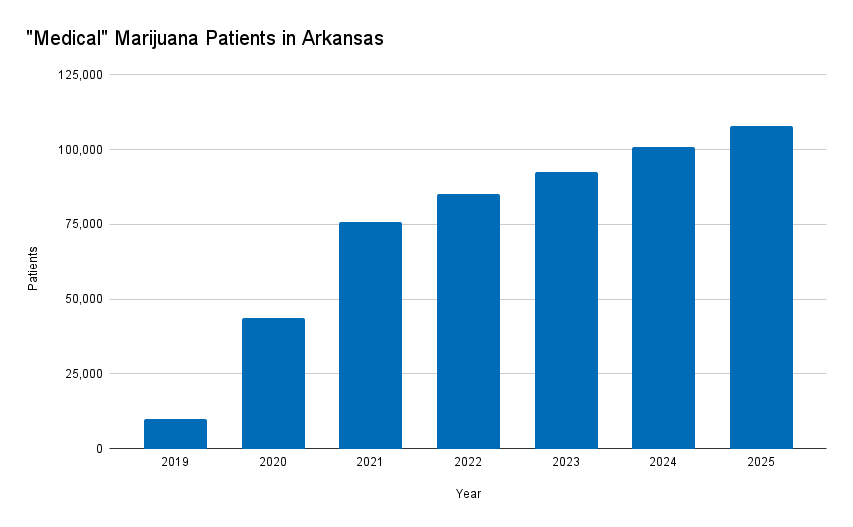
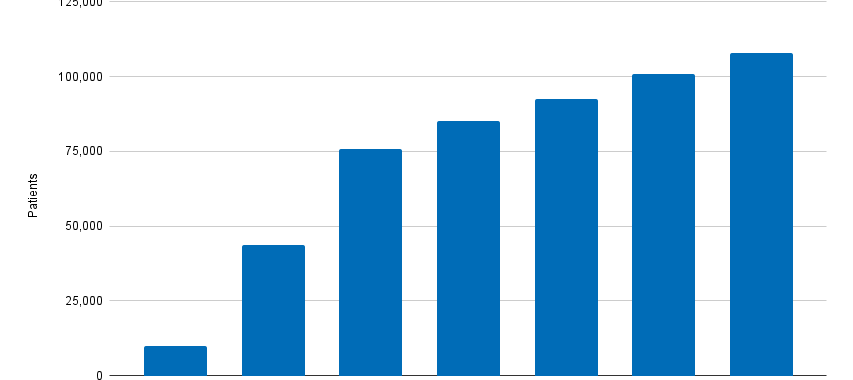
The number of “medical” marijuana patients in Arkansas has risen more than tenfold in the wake of the COVID-19 pandemic.

Arkansas’ “medical” marijuana amendment lets people use marijuana if they have a note from a doctor.

We have written repeatedly about how there is evidence that many people may actually be using marijuana recreationally via the state’s “medical” marijuana program. The law lists many different qualifying conditions that allow marijuana use — some of which are vague and subjective, like intractable pain and nausea.

State reports now show that the number of “medical” marijuana users in Arkansas spiked dramatically during and after the COVID-19 pandemic.

In 2019, the Arkansas Department of Health reported 9,830 people were allowed to use “medical” marijuana.

By June of 2020, that number had more than quadrupled to 43,630 marijuana patients.

The number has increased steadily every year since. As of last summer, the Health Department reports there are 108,021 “medical” marijuana patients in the state.

Along the way, the reasons people list for wanting to use marijuana have also changed.

In 2019, intractable pain was the number-one reason people gave for wanting to use marijuana. But between 2020 and 2023, that changed. Today, post-traumatic stress disorder (PTSD) is the most common qualifying condition among “medical” marijuana users.

That’s troubling, because researchers have found marijuana use may actually worsen PTSD symptoms.

Addiction experts note that marijuana can trigger mental health problems like depression, anxiety, and psychosis — which can be serious for a patient with PTSD.

More generally, researchers have expressed concerns about increased substance use and abuse since the pandemic — including marijuana.

A 2022 study found “medical and non-medical” marijuana use both rose among certain groups of adults during COVID. Specifically, people who rarely used marijuana before COVID showed significant increases in marijuana use during the pandemic.

And a JAMA study published in 2023 found marijuana use increased among adults during COVID.

The dramatic rise in “medical” marijuana users in Arkansas since 2020 raises many questions, but it’s important to remember that there is no difference between marijuana marketed “medically” and marijuana marketed “recreationally.” It’s the same drug.

And medical marijuana has failed to live up to its promises of helping people with serious medical conditions. Researchers writing in the Journal of the American Medical Association (JAMA) found that “evidence is insufficient for the use of cannabis or cannabinoids for most medical indications.”

Even worse, researchers discovered that 29% of people using marijuana for “medical” purposes actually developed cannabis use disorder — meaning they became dependent or addicted.

All of this underscores what we have said for years: Marijuana may be many things, but “harmless” simply is not one of them.

Articles appearing on this website are written with the aid of Family Council’s researchers and writers.