Lawsuit Over Arkansas’ Ten Commandments Monument Remains in Limbo
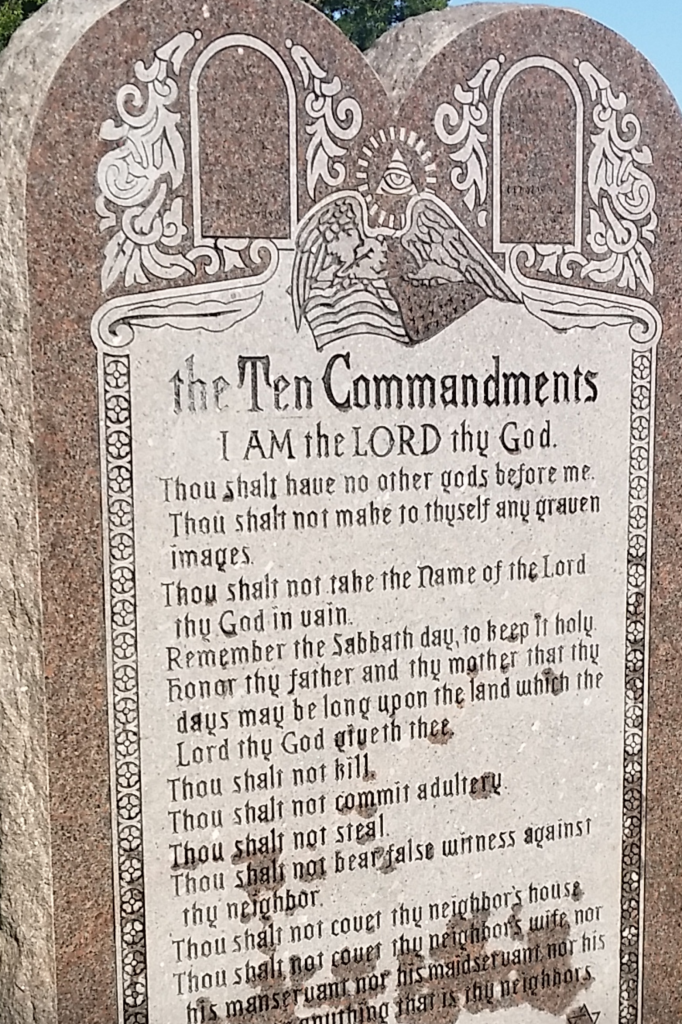
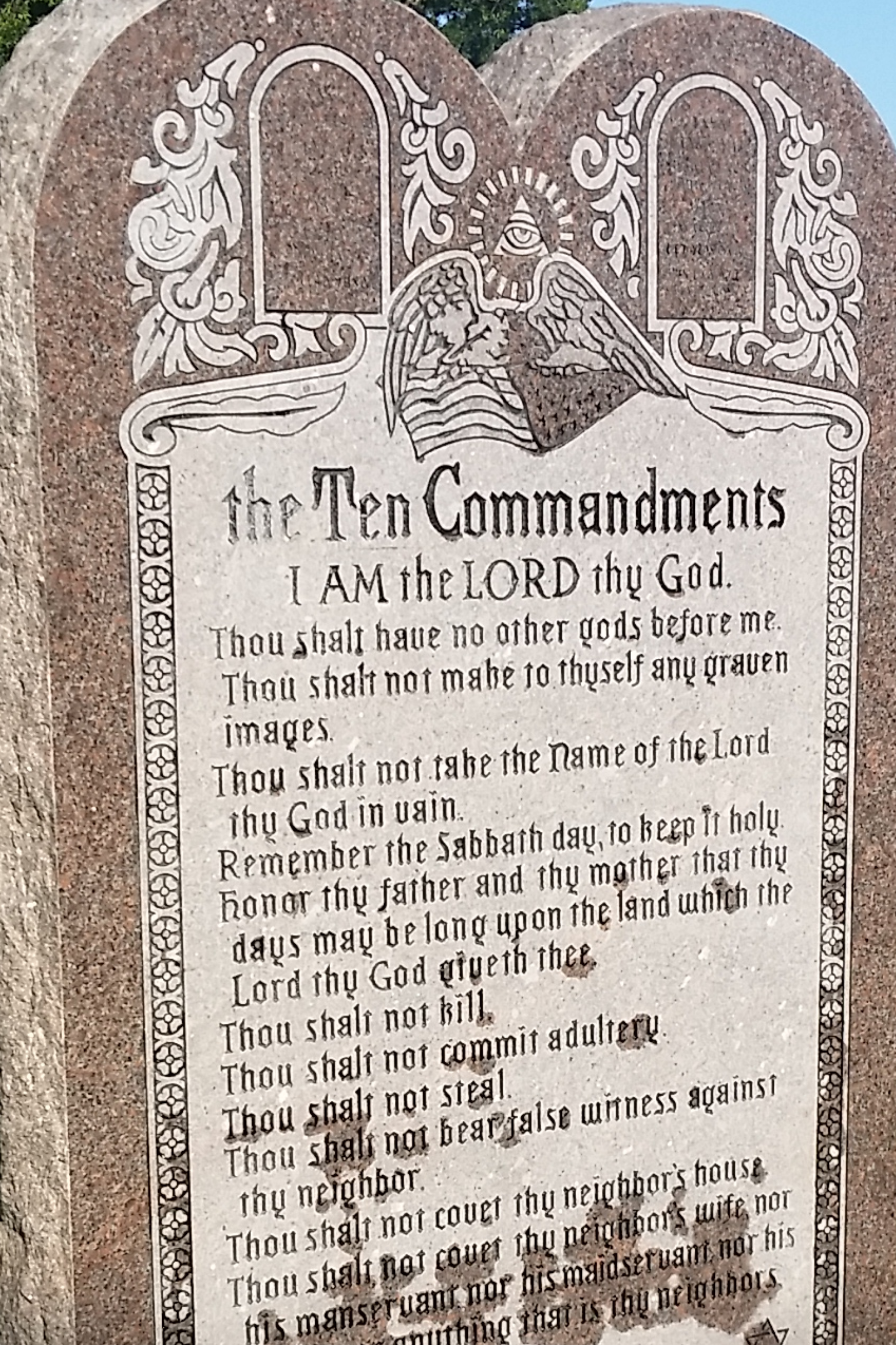
The lawsuit over Arkansas’ monument of the Ten Commandments is still languishing in federal court.

The Arkansas Legislature passed a measure in 2015 authorizing the privately-funded monument on the State Capitol Building grounds.

Shortly after it was unveiled in 2018, atheist groups and the Satanic Temple joined a lawsuit to have the monument removed.

The case originally was set to go to trial in July of 2020, but was postponed due to the COVID-19 pandemic.

It is unclear when the federal court in Little Rock intends to resolve the case.

In September the plaintiffs and defendants in the lawsuit both asked U.S. District Judge Kristine Baker to establish a schedule that would allow the lawsuit to go to trial by June 5, 2023.

As of Thursday, the court does not seem to have granted or denied that request.

As we have written before, Arkansas’ monument of the Ten Commandments is identical to one the U.S. Supreme Court ruled constitutional in Texas in 2005.

There just shouldn’t be anything controversial about a monument honoring the significance of the Ten Commandments.

Historians have long recognized the Ten Commandments as one of the earliest examples of the rule of law in human history, and they have helped shape the laws in countries around the world.

Arkansas’ monument simply honors that legacy.
Trial Continues Over Arkansas’ SAFE Act

The federal lawsuit over Arkansas’ Save Adolescents From Experimentation (SAFE) Act is continuing this week.

The SAFE Act is an excellent law that protects children from sex-reassignment procedures, puberty blockers, and cross-sex hormones.

The Arkansas Legislature passed the SAFE Act in 2021, but last year U.S. District Judge James Moody issued a preliminary injunction temporarily blocking the state from enforcing the SAFE Act while a lawsuit over its constitutionality plays out in court.

The Arkansas Attorney General’s office appealed that decision to the Eighth Circuit. In August a three-judge panel from the Eighth Circuit ruled that the law should remain blocked while the lawsuit progresses in Judge Moody’s court.

Researchers do not know the long term effects that puberty blockers and cross-sex hormones have on kids.

The U.S. Food and Drug Administration has never approved puberty blockers and cross-sex hormones for the purpose of gender transition.

Doctors are giving these hormones to kids off-label, in a manner the FDA never intended.

In July the U.S. Food and Drug Administration added a warning label to puberty blockers after biological girls developed symptoms of tumor-like masses in the brain.

The U.K.’s National Health Services recently closed its Tavistock gender clinic that gave puberty blockers and cross-sex hormones to children for many years.

The facility today faces the possibility of lawsuits from upwards of 1,000 families whose children were subjected to sex-reassignment despite an obvious lack of scientific evidence in favor of the procedures and inadequate mental health screenings for children with gender dysphoria.

A gender-identity clinic in Scotland faces similar legal troubles from former patients who say they were rushed into sex-change procedures.

Despite mounting evidence that sex-change hormones and procedures are not appropriate for children, the ACLU and others have asked the federal courts to strike down Arkansas’ SAFE Act.

Several business interests and the Biden-Harris Administration also have joined the fight against Arkansas’ SAFE Act.

Testimony in the trial over the SAFE Act has underscored several key points about gender dysphoria, including:

  • The science surrounding gender identity remain in flux.
  • The demographics of transgender youth is changing in ways that scientists do not yet understand.
  • Randomized clinical trials do not support the adolescent gender transition processes that many doctors in America use.

    Arkansas’ SAFE Act is a good law that protects children. We believe our courts will recognize that fact and uphold this good law as constitutional.

    Articles appearing on this website are written with the aid of Family Council’s researchers and writers.