The Arkansas Legislature Convenes Next Week. Here are a Few Bills We’re Watching.
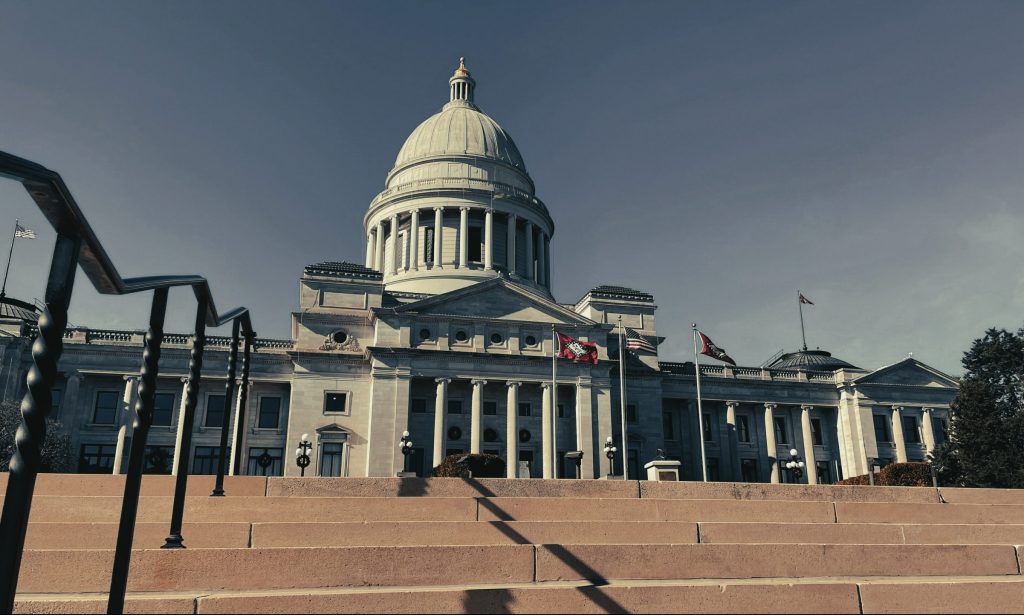
The Arkansas Legislatures convenes one week from today — Monday, January 13.
Lawmakers began pre-filing bills in November. Below is a list of some of the measures that legislators will consider in the coming weeks.
Bad Bills
H.B. 1011 (Abortion): This bad bill by Rep. Andrew Collins (D — Little Rock) would repeal virtually all of Arkansas’ pro-life laws, and it would legalize abortion throughout the state. Read The Bill Here.
H.B. 1013 (Bioethics): This bad bill by Rep. Andrew Collins (D – Little Rock) governs fertility treatments in Arkansas. The bill would let fertility labs in Arkansas create, freeze, store, and kill human embryos as part of unethical in vitro fertilization—or IVF—practices. Human beings are not lab material. This bad bill fails to respect every unborn child’s right to life. Read The Bill Here.
H.B. 1014 (Bioethics): This bad bill by Rep. Andrew Collins (D — Little Rock) would require the State and Public School Life and Health Insurance Program to pay for unethical IVF practices. Read The Bill Here.
H.B. 1020 (School Choice): This bad bill by Rep. Andrew Collins (D — Little Rock) would repeal the 2023 LEARNS Act’s education freedom account program that lets students use public funds to pay for an education at a private school or at home. Read The Bill Here.
H.B. 1028 (Libraries): This bad bill by Rep. Andrew Collins (D — Little Rock) would repeal Arkansas’ laws that protect children from harmful sexual material. It also would let libraries lend or share obscene material, and it requires public libraries to have “a written policy prohibiting the practice of banning books or other materials because of partisan or doctrinal disapproval” in order to receive public funding. Read The Bill Here.
H.B. 1031 (Sex Education): This bad bill by Rep. Andrew Collins (D — Little Rock) would make it possible for the Arkansas Department of Education to implement Planned Parenthood-style sex education as part of larger changes to public school health curriculum. Read The Bill Here.
H.B. 1032 (LGBT): This bad bill by Rep. Andrew Collins (D — Little Rock) would prevent healthcare professionals from helping people overcome unwanted same-sex attraction or gender confusion. The way the bill is written, H.B. 1032 would let counselors, doctors, and other healthcare professionals encourage people to be LGBT, but healthcare professionals would not be able to help people overcome unwanted same-sex attraction or accept their biological sex. Read The Bill Here.
H.B. 1033 (Red Flag Law): This bad bill by Rep. Andrew Collins (D — Little Rock) would create a “red flag” law in Arkansas making it easier for authorities to confiscate firearms from citizens that the government deem a danger to themselves or others. Read The Bill Here.
Other Bills We are Watching
H.B. 1018 (Family and Medical Leave): This bill by Rep. Andrew Collins (D — Little Rock) would create an income tax credit for employers who provide paid family and medical leave, such as maternity leave, to employees. Family Council has no position on this bill. Read The Bill Here.
H.B. 1044 (Raffles): This bill by Rep. R. J. Hawk (R — Bryant) and Sen. Jonathan Dismang (R — Little Rock) amends Arkansas’ charitable raffles and bingo laws. The bill would let colleges and universities conduct raffles in-person or online during sporting events. Schools would be able to sell raffle tickets themselves or use a nonprofit charity affiliated with the school to conduct the raffle. The bill contains a provision preventing casinos from operating or administering a raffle on a school’s behalf. Schools could use raffle proceeds to benefit school athletic programs — including purchasing and maintaining athletic facilities or providing financial aid, scholarships, stipends, and other compensation to student-athletes. Family Council has no position on this bill. Read The Bill Here.