Delaware Lawmakers Advance Assisted-Suicide Legislation
A measure permitting assisted-suicide is advancing in the Delaware legislature.

Last week, Delaware’s House Human Health and Development Committee passed H.B. 140 — a bad bill  that would let physicians and advance practice registered nurses (APRNs) in Delaware prescribe lethal drugs to terminally ill patients.

The measure does not require patients to undergo any type of mental health evaluation before receiving the lethal drugs. That is significant, because patients who seek assisted suicide typically are dealing with depression or mental anguish resulting from their illness. 

For example, since 1998, more than 90% of the terminally ill people who inquired about assisted suicide in Oregon said they were concerned about losing their autonomy, and nearly 75% expressed worries about losing their dignity. Most did not express concerns about controlling their pain.

Many of these patients are lonely and feel like they are losing control over their lives because of their illness. That means they need counseling and support — not a prescription for poisonous drugs.

Despite this fact, the vast majority of Oregon’s assisted-suicide patients never receive a mental health evaluation. The same is true in other states where assisted-suicide is legal.

Assisted suicide also makes it harder for patients to receive actual healthcare.

In 2019  a Canadian man with ALS made headlines when he chose to take his own life under the country’s assisted suicide and euthanasia laws after the government chose not to provide him with 24-hour home healthcare services due to cost.

In parts of the U.S. where physician-assisted suicide is permitted, insurance companies have refused to pay for patients’ medical care, but have offered to cover assisted-suicide drugs.

Being pro-life means believing human life is sacred from conception until natural death.

That’s part of the reason why in 2019 Family Council helped defeat a very bad legislative proposal to let doctors prescribe lethal drugs to patients in Arkansas. It was a deeply flawed piece of legislation that fundamentally disrespected the sanctity of innocent human life.

Just like abortion, euthanasia and assisted-suicide are murder, and they violate the sanctity of human life. Pro-lifers must stand strong against them.


One Year Ago: Arkansas House Rejected Bad End-of-Life Legislation

One year ago today the Arkansas House Representatives rejected two bad pieces of end-of-life legislation.

The first was H.B. 1685.

This bad bill would have let healthcare workers who are not physicians work through end-of-life decisions with patients and family members.

It did not require healthcare workers making these decisions to have appropriate training in end-of-life care.

The bill also would have made it easier to deny a dying person food or water.

H.B. 1685 received 31 votes. Fifty-five representatives voted against it.

The second was H.B. 1686. 

This bad bill would have let healthcare workers who are not physicians complete Physician Order for Life-Sustaining Treatment (POLST) forms.

It would have removed an important provision in state law that says a POLST form is not intended to replace an advance directive.

It inadvertently would have prevented consulting physicians — such as palliative care physicians — from completing POLST forms with patients.

H.B. 1686 received 38 votes. Forty-eight representatives voted against it.

Both bills were opposed by several different groups, including:

  • National Right to Life
  • Arkansas Right to Life
  • Euthanasia Prevention Coalition USA
  • Family Council
  • Northwest Arkansas Respect Life
  • Arkansas Advocates for Nursing Home Residents

As we keep saying, being pro-life means believing that human life is sacred from conception until natural death.

It means treating human life with respect at every stage of development.

Just like abortion, euthanasia and assisted-suicide are murder, and they violate the sanctity of human life.

Surrogate Babies Stranded in Kyiv Bomb Shelter Amid War

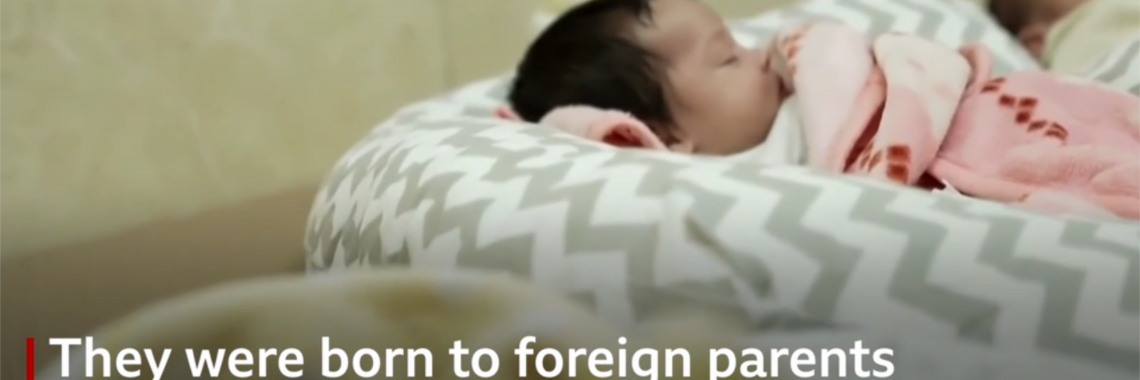
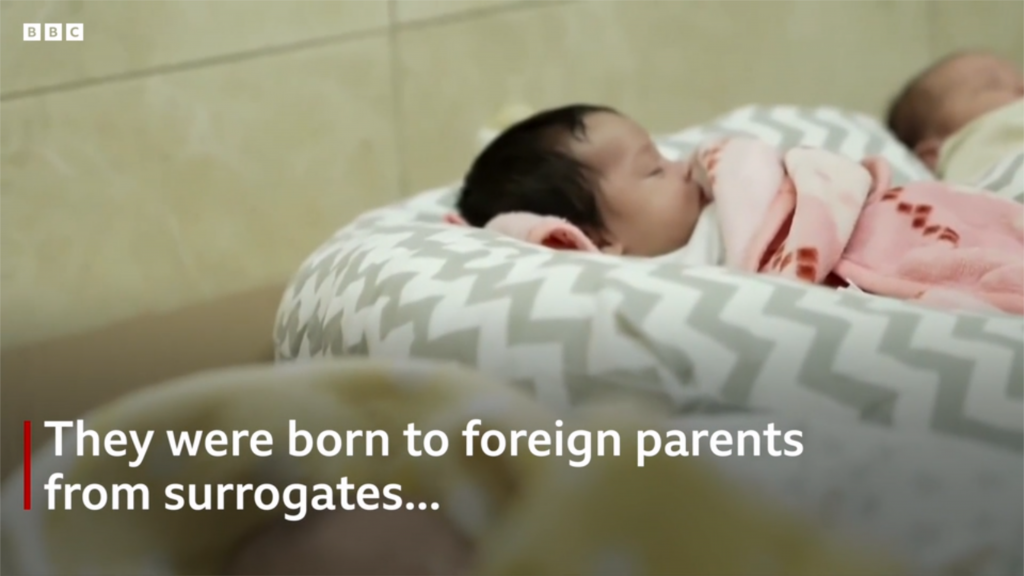
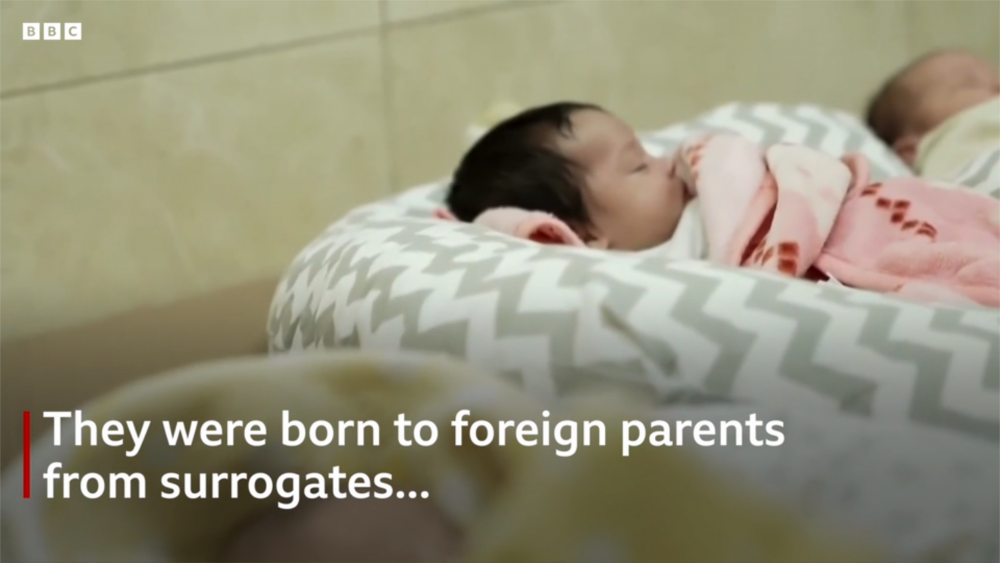
Above: A screenshot from the BBC’s report.

The BBC reported Wednesday that at least 21 babies born through surrogacy are stuck in a bomb shelter nursery in Kyiv while the war rages in Ukraine.

The story underscores yet another example of the unintended consequences tied to commercial surrogacy.

Unfortunately, commercial surrogacy is a big business in parts of eastern Europe and Asia. Couples from western nations can contract with companies — like BioTexCom in Ukraine — who hire women to bear children as surrogates.

In 2020, World News reported dozens of newborn babies born through commercial surrogacy were stranded in a Kyiv hotel due to COVID-19 travel restrictions.

Commercial surrogacy treats babies like products that people can buy or sell, and it treats women like commodities.

Many nations prohibit commercial surrogacy, because it is linked to the exploitation of women and children.

Unfortunately Arkansas’ commercial surrogacy laws are very lax.

Since 2017, Family Council has actively supported legislation to prohibit commercial surrogacy in Arkansas. So far that legislation has not passed.

Human beings are not products that can be bought or sold. That’s why Family Council opposes commercial surrogacy — and will continue to oppose it.

Articles appearing on this website are written with the aid of Family Council’s researchers and writers.