China Set to Lose Population Greater Than Arkansas’ by Next Year

A recent article in Newsweek highlights the dramatic population decline facing China after decades of anti-family policies.

According to U.N. projections, China’s population will shrink by 3.2 million people next year — more than the population of Arkansas — and it is projected to decline by more than 40 million people over the next 10 years — roughly equivalent to the entire population of California.

By 2050, the country could lose a staggering 140 million people.

This is not the first time experts have expressed concern over China’s declining population. In 2020, officials from the Chinese Communist Party said China’s fertility rate had fallen to dangerously low levels. In early 2023, China’s National Bureau of Statistics released data showing the country’s population had begun plummeting.

Most developed nations are dealing with declining birthrates — including countries like Japan and the U.S. — but not to the same degree as China.

Without a growing population, it’s difficult for countries to maintain strong communities, a vibrant workforce, or a healthy economy. The Chinese Communist Party spent decades promoting the idea that having fewer children would be good for China, but that simply is not how society works.

Societies thrive off healthy, stable families. That’s part of the reason Family Council has spent more than 36 years promoting, protecting, and strengthening traditional family values in Arkansas. When families succeed, everyone benefits.

Articles appearing on this website are written with the aid of Family Council’s researchers and writers.

Remembering Dr. James Dobson

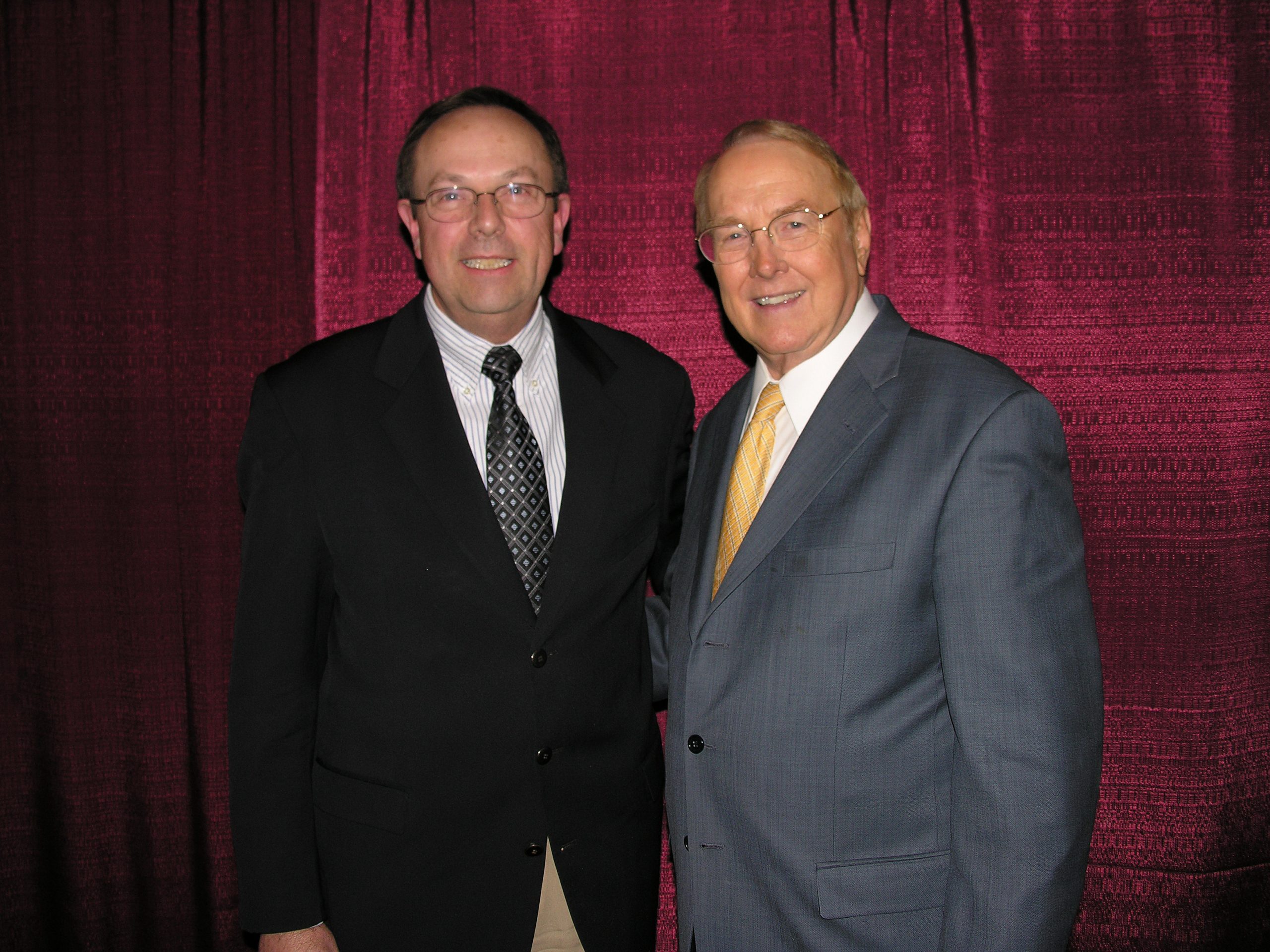
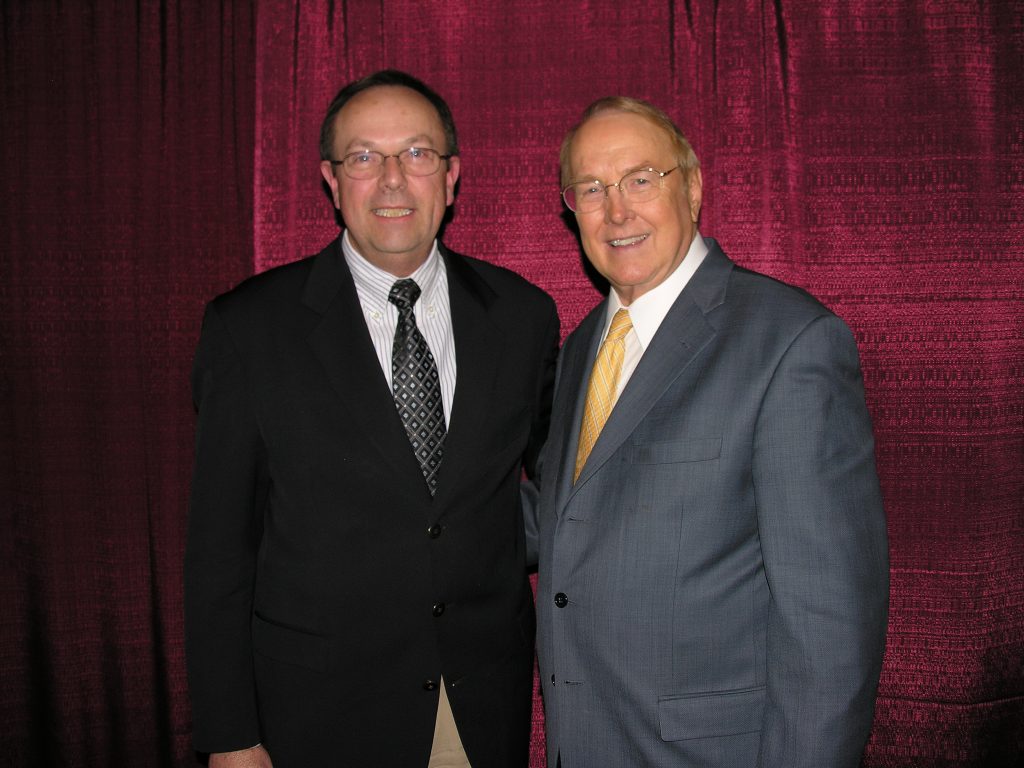
From left: Family Council President Jerry Cox and Dr. James Dobson. (File photo: 2007).

If there were a Mount Rushmore of God’s men in America, Dr. James Dobson’s face would be etched on it. His influence is without peer. Millions of families have learned from him God’s way of staying married, raising children, and standing boldly for truth in the public square.

I first saw Dr. Dobson in person in 1989 when he announced the formation of the nationwide network of state policy councils—of which Family Council remains a part to this day. After a long day of speeches from sharp men in dark suits, Dr. Dobson approached the podium. He wore a simple sweater, and when he began to speak, it felt less like a lecture and more like a conversation in his own living room. His quiet, humble words carried extraordinary power and inspiration.

I remember thinking, “Put me in, Coach. I’m ready to play.

Thirty-six years later, because of him—and by the grace of God—I’m still in the fight. I am convinced that I would not be here today, directing Family Council, if God had not spoken to me through Dr. James Dobson.

His legacy is not only measured in words spoken or books written, but in the countless lives he has touched and the generations that continue to be shaped by his faithfulness. His influence for good is truly beyond measure.

The Amazing Ways Fathers Matter

Recently, John Stonestreet at the Colson Center recorded a commentary highlighting the importance of fathers.

Stonestreet says the research is clear: “In every possible area of child development — relationally, physically, socially, educationally, even spiritually — dads bring a unique set of contributions to the lives and wellbeing of their children.”

Social science has shown us that moms and dads both matter. Various studies have concluded children from intact families with a married mom and a dad tend to be more engaged at school, have higher cognitive scores, and show greater self-control.

In 2023, the CDC released a report showing teens who lived in a two-parent household with their biological or adoptive parents were less likely to engage in sexual activity than their peers.

And fathers in particular have a tremendous impact on their children’s spiritual formation.

Our modern culture rightly celebrates mothers. We all know mothers matter. But it’s important that we not overlook the importance of fathers as well.

You can listen to Stonestreet’s entire commentary below or read it online here.

Articles appearing on this website are written with the aid of Family Council’s researchers and writers.