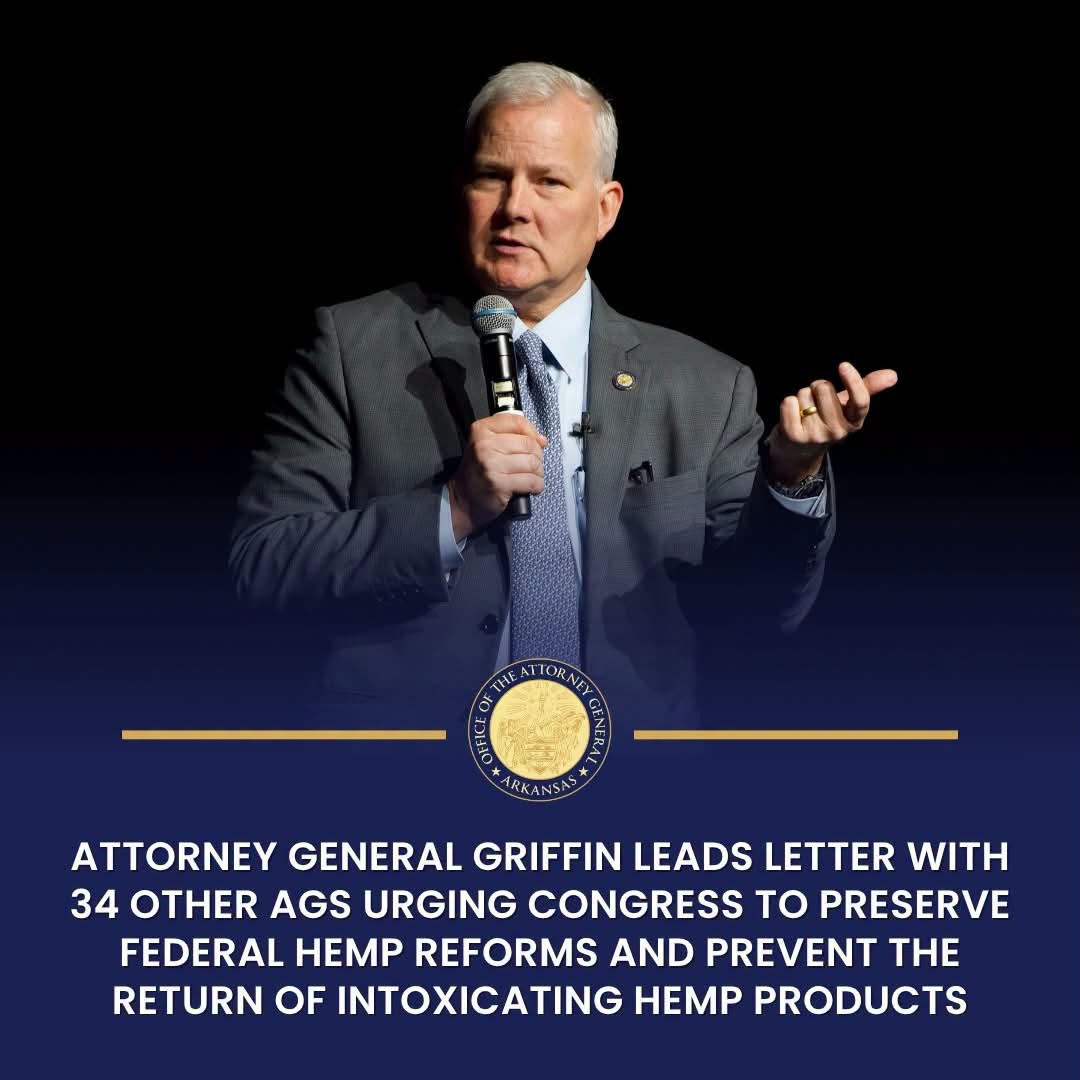
Researchers Express Concerns Over Contaminated Marijuana Products

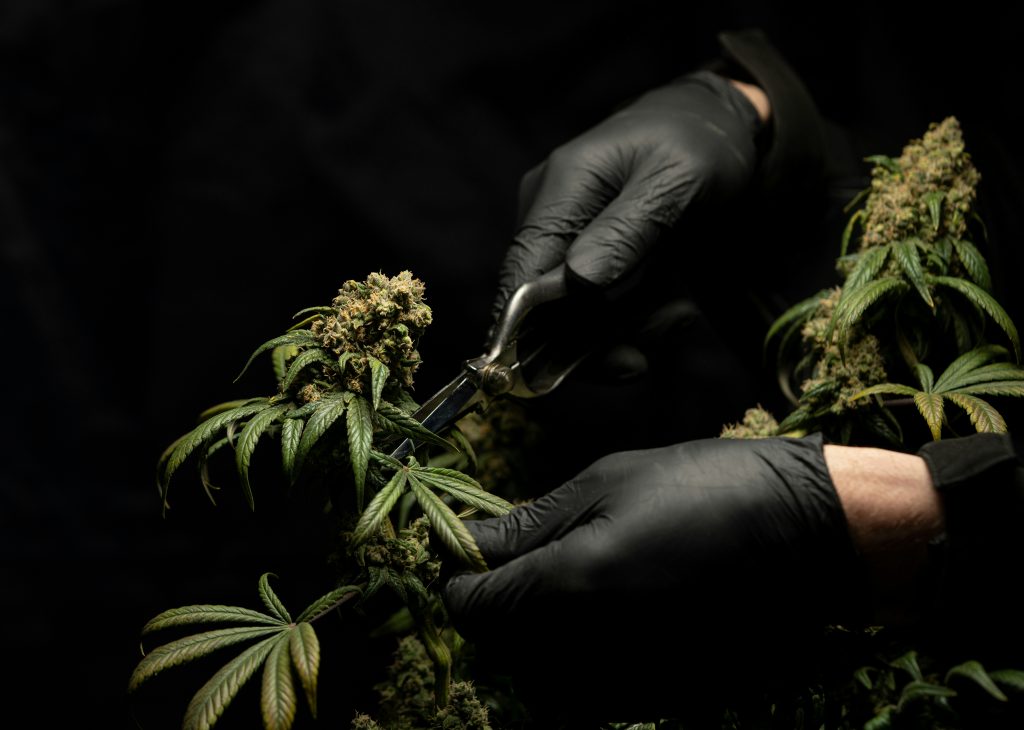
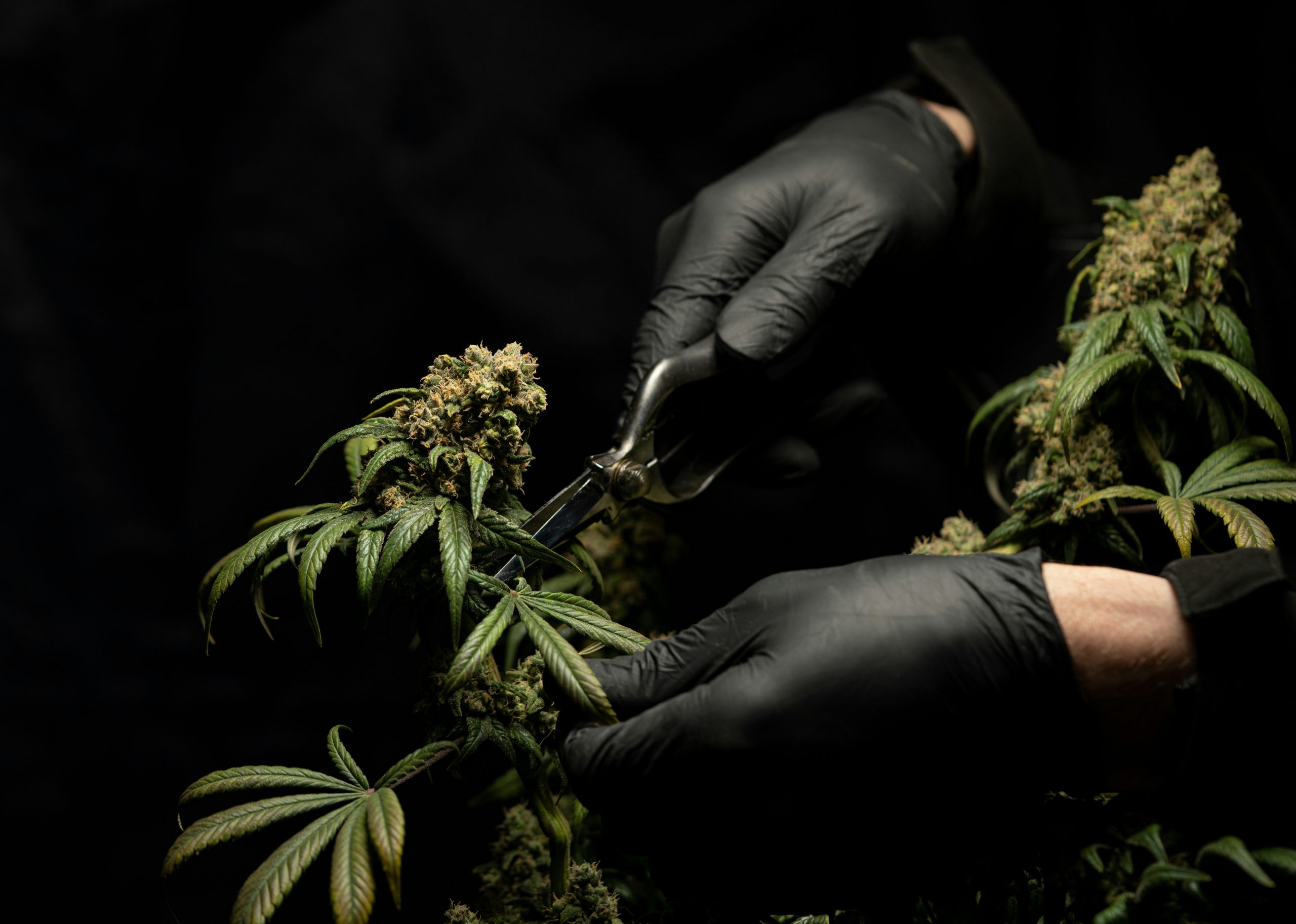
A recent journal article highlights concerns about contaminants in “medical” marijuana and other cannabis products.

Nationwide, many states have legalized marijuana to varying degrees, and the Trump Administration has moved to ease federal restrictions on the drug. But while policymakers push for more marijuana, scientific evidence shows there are serious health concerns surrounding marijuana.

Researchers writing in the journal Clinical Infectious Diseases say there are no standards for testing “medical” marijuana and other cannabis product for microbes and other contaminants.

The article says “microbial contamination” may happen “during cultivation, harvesting, processing, storage, and distribution, allowing potentially pathogenic organisms to persist in final consumer products.”

In other words, contaminants in marijuana may be harmful to the people who use it.

This is not the first time experts have warned about marijuana products being contaminated.

In 2024, lab testing from California found many marijuana products contained “concerning” levels of pesticides. Other research found marijuana often was contaminated with arsenic, lead, or mold, and that marijuana users may have higher levels of heavy metals in their blood.

Last year, the Oregon Liquor and Cannabis Commission tested 51 samples of industrial hemp flowers as part of the commission’s “Operation Clean Leaf” initiative. All 51 samples contained more THC than federal law allows, and authorities said some were tainted with dangerous pesticides.

Marijuana products are easily contaminated by pesticides and mold spores, because the marijuana plant itself easily absorbs toxins in the soil as well as chemicals or other substances sprayed on the plant.

These contaminants are passed along in marijuana products — posing serious health risks for marijuana users.

There are other concerns about marijuana besides the dangers from mold, pesticides, and other contaminants.

THC — the main psychoactive substance in marijuana — has been tied to everything from heart disease and cancer to strokemental illness, and even birth defects.

In fact, researchers now say marijuana use doubles a person’s risk of death from heart disease. That ought to give everyone pause.

All of this underscores what we have said for years: Marijuana may be many things, but “harmless” simply is not one of them.

Articles appearing on this website are written with the aid of Family Council’s researchers and writers.
President Trump Signs Federal Ban on THC Made from Hemp

On November 12, President Trump signed H.R.5371 ending the longest government shutdown in U.S. history.

The measure provides funding to reopen the federal government. It also closes a loophole in federal law regarding dangerous drugs made from hemp.

In 2018, Congress passed the federal Farm Bill legalizing cannabis plants low in THC for use in textiles like hemp rope or cloth. THC is the main psychoactive substance in marijuana, and health experts warn the drug poses serious risks.

Instead of using hemp for textiles, manufacturers have found ways to extract and refine the small amount of THC in the plants. By doing this on a commercial scale, they can produce a lot of THC to infuse into drinks, candies, e-cigarettes, and other products.

Public health reports across America have shown drugs like the ones made from hemp have sent kids to the emergency room and prompted parents to call poison control centers.

In response, the U.S. Food and Drug Administration has said that federal law prohibits hemp-derived THC in food products, and states like MassachusettsSouth Dakota, and California have prohibited THC made from hemp.

In 2023, Arkansas passed Act 629 by Sen. Tyler Dees (R – Siloam Springs) and Rep. Jimmy Gazaway (R – Paragould) to prohibit THC made from industrial hemp. Family Council supported that good law, the legislature passed it, and the Eighth Circuit has upheld it as constitutional.

In September, the State of Arkansas announced authorities had seized 6,000 illegal THC products made from hemp as a result of that good law.

This year, lawmakers in Arkansas also rejected multiple bills that would have legalized drugs made from hemp.

With the passage of H.R.5371, Congress has finally closed the federal loophole concerning THC made from hemp. The measure addresses synthetic THC made from hemp, and it limits the THC content in hemp products to 0.4 milligrams — which is practically zero. Many of the hemp products currently on the market advertise anywhere from 5-10 milligrams of THC.

It’s good to see Congress protecting people from dangerous drugs made from hemp. As we have said for years, these drugs may be many things, but “harmless” simply is not one of them.

Articles appearing on this website are written with the aid of Family Council’s researchers and writers.

Ohio Governor Announces Plan to Ban Intoxicating Hemp Products

Left – Legitimate Nerds candy; Right – Intoxicating hemp product packaged similarly to Nerds candy (Photo Credit: Ohio Governor Mike DeWine’s Office)

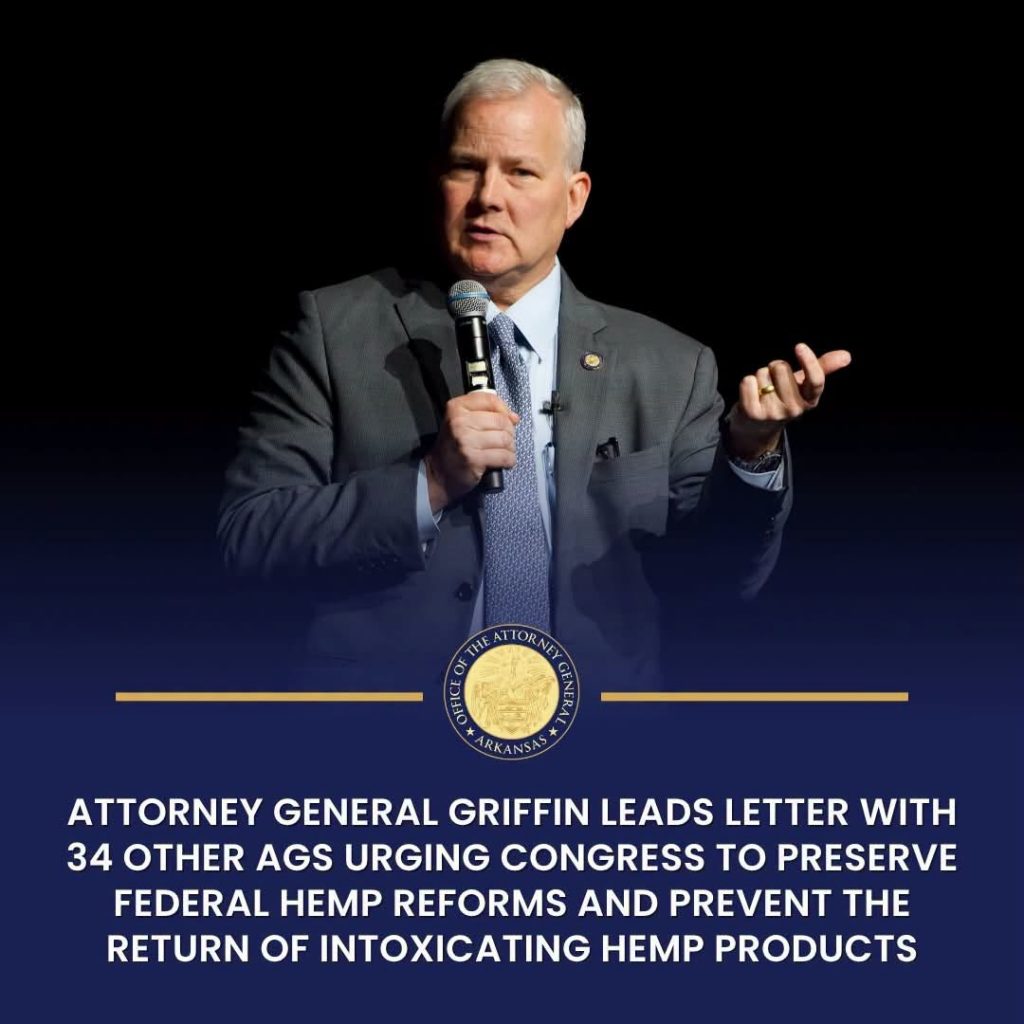
On Wednesday, Ohio Governor Mike DeWine signed an executive order banning dangerous drugs made from industrial hemp. The order requires Ohio retailers to stop selling hemp products by Tuesday, October 14.

The order is similar to steps Arkansas and many other states have taken to protect people from these drugs.

In 2018, Congress passed the federal Farm Bill legalizing cannabis plants low in THC for use in textiles like hemp rope or cloth. THC is the main psychoactive substance in marijuana, and health experts warn the drug poses serious risks.

Instead of using hemp for textiles, manufacturers have found ways to extract and refine the small amount of THC in the plants. By doing this on a commercial scale, they can produce a lot of THC to infuse into drinks, candies, e-cigarettes, and other products.

Public health reports across America have shown drugs like the ones made from hemp have sent kids to the emergency room and prompted parents to call poison control centers.

The Oregon Liquor and Cannabis Commission recently tested 51 samples of industrial hemp flowers as part of the commission’s “Operation Clean Leaf” initiative. All 51 samples contained more THC than federal law allows, and authorities said the vast majority of hemp products were sold without proper age verification. Some were even tainted with dangerous pesticides.

Fortunately, state and federal policymakers have pushed back against these dangerous drugs.

The U.S. Food and Drug Administration has said that federal law prohibits hemp-derived THC in food products, and states like MassachusettsSouth Dakota, and California have prohibited THC made from hemp.

In 2023, Arkansas passed Act 629 by Sen. Tyler Dees (R – Siloam Springs) and Rep. Jimmy Gazaway (R – Paragould) to prohibit THC made from industrial hemp. Family Council supported that good law, the legislature passed it, and the Eighth Circuit has upheld it as constitutional.

This year, lawmakers in Arkansas also rejected multiple bills that would have legalized drugs made from hemp.

It’s good to see policymakers around the country taking steps to protect people from hemp and other dangerous drugs. As we have said for years, these drugs may be many things, but “harmless” simply is not one of them.

Articles appearing on this website are written with the aid of Family Council’s researchers and writers.