The Blunt Truth: Marijuana Isn’t Medicine

New research continues to show that marijuana isn’t medicine.

Nationwide, 24 states have legalized recreational marijuana, and some 40 states — including Arkansas — let healthcare professionals write notes authorizing people to use so-called “medical” marijuana. But a growing body of scientific evidence shows marijuana poses serious health risks.

A major study by The Lancet recently found marijuana fails to effectively treat anxiety, depression, or PTSD.

The findings raise serious concerns, because PTSD is the most common qualifying condition listed among “medical” marijuana users in Arkansas.

Some people suggest marijuana may help people quit using more serious drugs, but researchers found cannabinoids actually increased cocaine cravings among those who struggled with cocaine addiction.

Another recent study led by researchers at Johns Hopkins found young people who suffered from cannabis use disorder were at greater risk of later being diagnosed with a psychiatric disorder.

Researchers analyzing nearly 700,000 medical records found teenagers 17 and under with cannabis use disorder faced a 52% increased risk for schizophrenia and a 30% greater risk for depression, compared to teens with other substance use disorders.

Addiction experts note that marijuana can trigger mental health problems like depression, anxiety, and psychosis.

Time and again, scientific evidence has shown that marijuana is dangerous.

Researchers at the University of Cambridge released a study this year that demonstrates marijuana use raises a person’s risk of stroke by 37%.

THC — the main psychoactive substance in marijuana — has been tied to everything from heart disease and cancer to strokemental illness, and birth defects. Some researchers now believe marijuana use actually doubles a person’s risk of death from heart disease.

And instead of decreasing crime, marijuana’s legalization has actually emboldened drug cartels and increased the flow of illegal drugs across America.

All of this underscores what we have said for years: Marijuana may be many things, but “harmless” simply is not one of them.

Articles appearing on this website are written with the aid of Family Council’s researchers and writers.
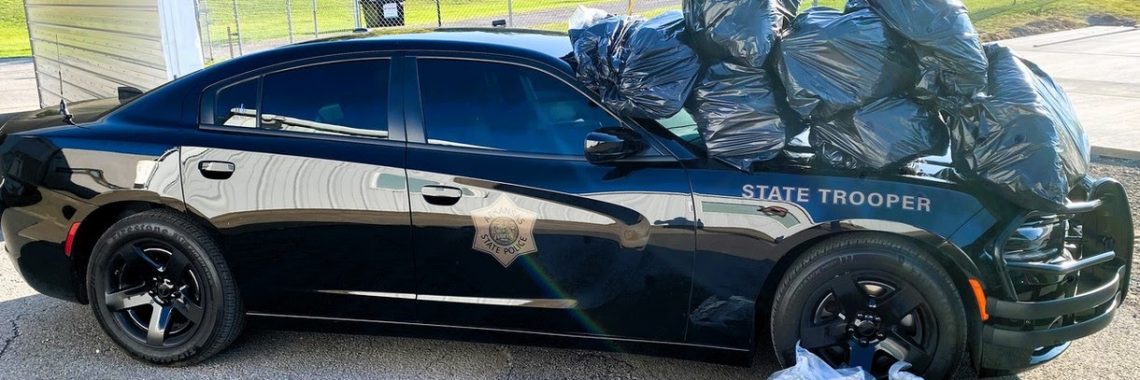
Arkansas State Police Lead Gulf Coast HIDTA in Highway Drug Seizures

File Photo.

The following is a press release from the Arkansas State Police:

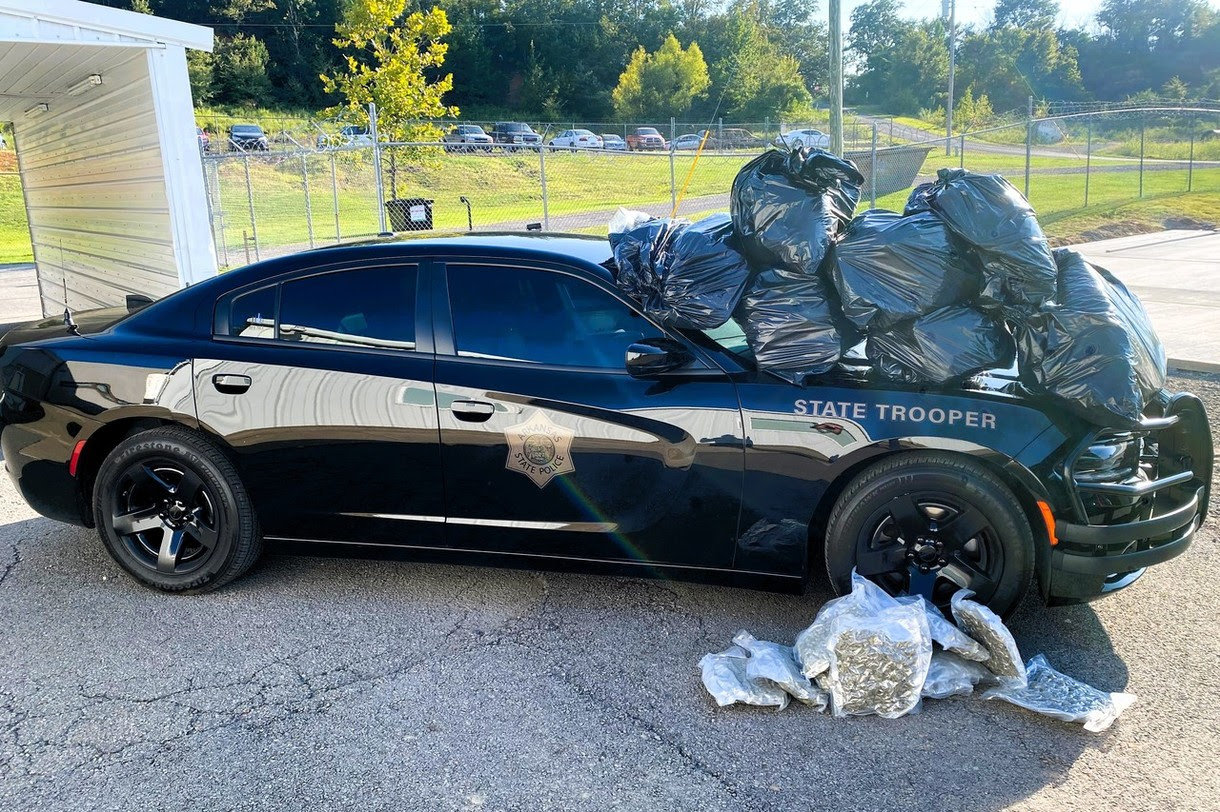
LITTLE ROCK, Ark. — Arkansas State Police (ASP) Troopers seized record amounts of illegal narcotics in 2025, leading all agencies in the Gulf Coast High Intensity Drug Trafficking Areas (HIDTA) region.

“Black‑market high‑grade marijuana is fueling violence in our cities,” said Gulf Coast HIDTA Chairman and ASP Director Col. Mike Hagar. “These seizures matter. Illegal marijuana, guns, and violence go hand in hand, and every load we intercept makes Arkansas communities safer.”

ASP’s Interstate Criminal Patrol (ICP) Unit reported increases across nearly every category of illegal narcotics:

  • 1,154 pounds of methamphetamine (up from 509 lbs. in 2024)
  • 750 pounds of cocaine (up from 254 lbs. in 2024)
  • 127 pounds of fentanyl (up from 69 lbs. in 2024)
  • 17,700 pounds of illegal marijuana
  • 74 pounds of THC wax
  • 4.6 pounds of heroin
  • 1,200 pounds of THC edibles and vapes

Troopers also seized $1.6 million in cash, 28 weapons, and 20 vehicles tied to criminal trafficking activity.

“The Arkansas State Police do a tremendous job intercepting illegal drugs on highways across the region. The results speak for themselves. In 2025, HIDTA invested $500,000 to support highway patrol initiatives across the region, and that investment returned more than $87 million in drugs and assets,” Gulf Coast HIDTA Executive Director Tim Valenti said. “For 2026, we’ve awarded $10,000 to the Arkansas State Police to help continue this vital work.  Arkansas plays a major role in our program, with Col. Hagar serving as a strong leader for both Arkansas State Police and Gulf Coast HIDTA.”

Col. Hagar was elected Chair of the Gulf Coast HIDTA in 2025 by a 25‑member executive board and serves as one of 33 HIDTA chairs nationwide.

“Protecting Americans from dangerous cartels doesn’t stop at our borders,” said Governor Sarah Huckabee Sanders. “Arkansas sits at the heart of major drug‑trafficking corridors, and our State Troopers, some of the country’s bravest men and women, sacrifice daily to keep our roads and communities safe.”

United States Attorney for the Eastern District of Arkansas Jonathan D. Ross, recently elected Vice‑Chairman of the Gulf Coast HIDTA, emphasized the importance of ASP’s interdiction efforts.

“Col. Hagar and the Arkansas State Police have proven to be national leaders in identifying and seizing illicit drugs. Our office works closely with ASP and federal partners to indict those transporting and distributing these drugs, including black‑market marijuana flowing from Oklahoma, Colorado, and California,” Ross said. “As the newly elected Vice-Chairman of the Gulf Coast HIDTA, I look forward to serving alongside Chairman Col. Hagar as he helps share his expertise with our other state and federal partners throughout the seven states that form the Gulf Coast HIDTA.”

The Gulf Coast HIDTA includes agencies from Arkansas, Louisiana, Mississippi, Tennessee, Alabama, and Florida, all positioned along major drug corridors connecting the Southwest Border to the East Coast and Midwest.

Nationwide in 2025, HIDTA agencies seized 4.1 million pounds of drugs and disrupted $17.7 billion in illegal profits.

###

Yet Another Study Shows Marijuana Use Raises Risk of Stroke

In spite of federal law, states across the country have enacted measures legalizing marijuana, and public opinion polling suggests many Americans do not think marijuana is as dangerous as other substances. But research continues to show marijuana is harmful.

Researchers at the University of Cambridge released a study this month that demonstrates marijuana use raises a person’s risk of stroke by 37%. The the results were based on health data from more than 100 million participants in multiple studies over the course of several years.

Unfortunately, marijuana has been found time and again to pose serious health hazards.

THC — the main psychoactive substance in marijuana — has been tied again and again to everything from heart disease and cancer to strokemental illness, and birth defects.

In fact, researchers now say marijuana use doubles a person’s risk of death from heart disease.

Heavy marijuana use has also been linked to reduced brain activity.

recent study from Columbia University found even “casual” marijuana use is connected to higher rates of depression, anxiety, and impulsive behavior in teenagers, and researchers at Massachusetts General Hospital found teen psychiatric emergencies spiked in the wake of marijuana’s commercialization.

All of this underscores what we have said for years: Marijuana may be many things, but “harmless” simply is not one of them.

Articles appearing on this website are written with the aid of Family Council’s researchers and writers.