Marijuana Sales Continue to Climb in Arkansas

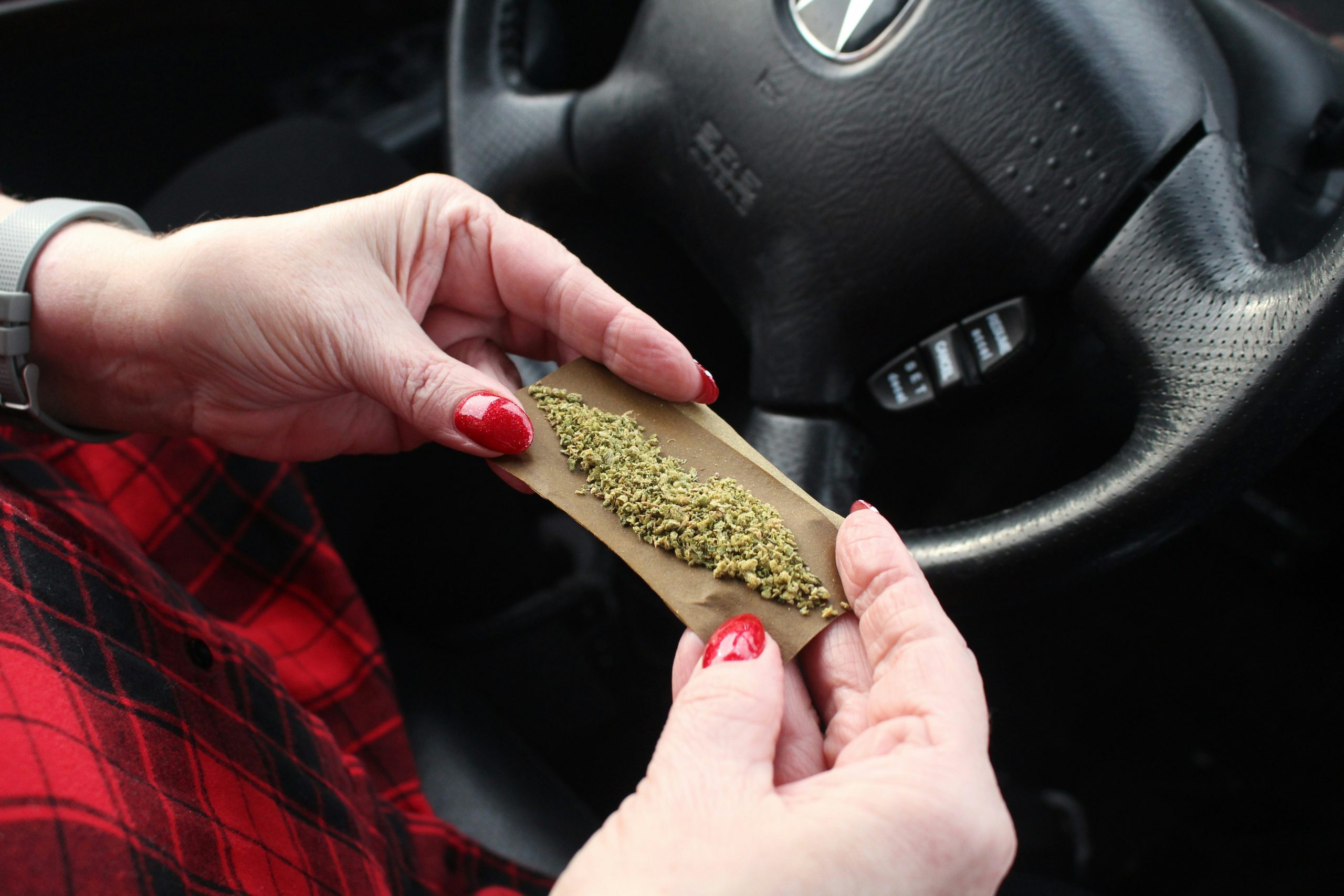
News outlets report that “medical” marijuana sales continue to rise in Arkansas.

Data from the Arkansas Department of Finance and Administration shows sales rose 6.4% during the first half of this year compared to last year. That may be good news for the businesses selling marijuana, but it’s not good for the people of Arkansas.

The truth is marijuana is harmful — whether it is marketed as “medical” marijuana or “recreational” marijuana.

Marijuana has been tied to a number of deadly heart problems — including heart attack, heart failure, and stroke. In fact, researchers now say marijuana use doubles a person’s risk of death from heart disease.

Marijuana use during pregnancy has been shown time and time again to hurt unborn children and newborns.

Experts have found heavy marijuana use is linked to paranoiamemory lossschizophrenia, and other serious problems.

Nationwide, marijuana products are sending kids to the emergency room.

And instead of decreasing crime, marijuana legalization has actually emboldened drug cartels and increased the flow of illegal drugs across America.

The tax revenue that states like Arkansas receive from marijuana sales does not justify the damage that marijuana causes.

All of this underscores what we have said for years: Marijuana may be many things, but “harmless” simply is not one of them.

Articles appearing on this website are written with the aid of Family Council’s researchers and writers.
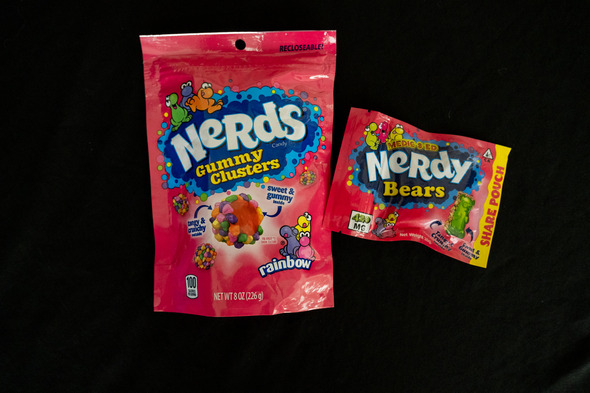
Alabama Judge Lets State Restrict Smokable Hemp

An Alabama judge declined to block a new state law prohibiting smokable drugs made from hemp.

In 2018, Congress passed the federal Farm Bill legalizing cannabis plants low in THC for use in textiles like hemp rope or cloth. THC is the main psychoactive substance in marijuana, and health experts warn the drug poses serious risks.

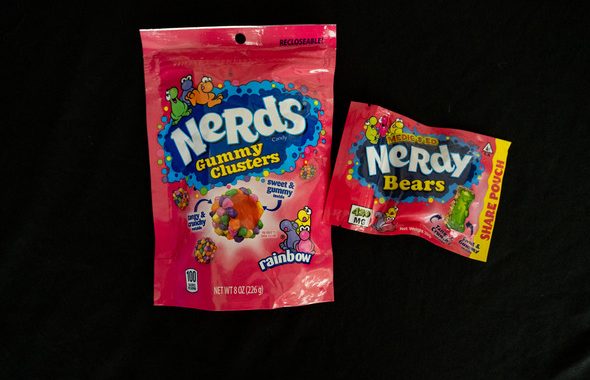
Instead of using hemp for textiles, manufacturers have found ways to extract and refine the small amount of THC in the plants. Doing this on a commercial scale means they can produce a lot of THC to infuse into drinks, candies, e-cigarettes, and other products.

As a result, state and federal policymakers have pushed back against these dangerous drugs.

The U.S. Food and Drug Administration has said that federal law prohibits hemp-derived THC in food products, and states like MassachusettsSouth Dakota, and California have prohibited THC made from hemp.

In 2023, Arkansas passed Act 629 by Sen. Tyler Dees (R – Siloam Springs) and Rep. Jimmy Gazaway (R – Paragould) to prohibit THC made from industrial hemp. Family Council supported that good law, and the legislature voted to pass it. Act 629 spent nearly two years tied up in court, but in June the Eighth Circuit issued a decision letting the state enforce this good law.

Earlier this year lawmakers in Alabama passed a similar measure — House Bill 445 prohibiting “smokable hemp products” in the state. Companies that profit from hemp sued to block the law, but on Monday the judge presiding over the case declined to block the law. The decision tracks with other court rulings that affirm states can restrict or prohibit drugs made from hemp.

We have written for years how THC has been linked to everything from heart disease and cancer to stroke, mental illness, and birth defects.

The Oregon Liquor and Cannabis Commission recently tested 51 samples of industrial hemp flowers as part of the commission’s “Operation Clean Leaf” initiative. All 51 samples contained more THC than federal law allows. Authorities also said the vast majority of hemp products were sold without proper age verification, and that some were tainted with pesticides.

And public health data across America has shown drugs like the ones made from hemp routinely send kids to the emergency room and prompt parents to call poison control centers.

These drugs may be many things, but “harmless” simply is not one of them.

Articles appearing on this website are written with the aid of Family Council’s researchers and writers.