
Report Reminds Us Marijuana is Anything But “Harmless”
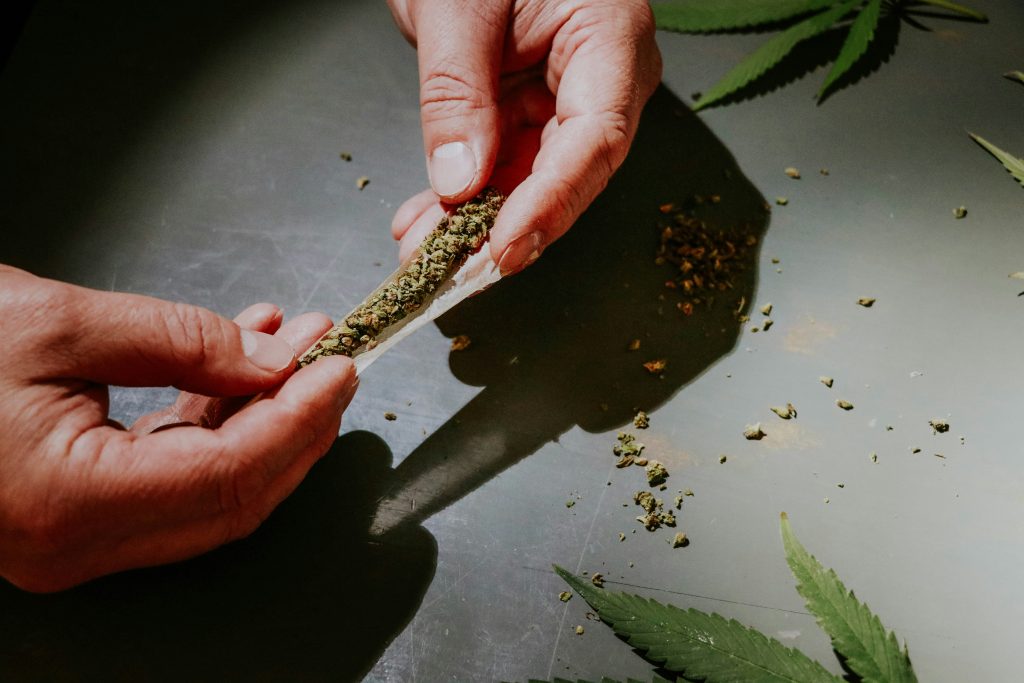
A recent report from the Association of American Medical Colleges (AAMC) underscores the dangers associated with marijuana use.
Nationwide, many states have legalized marijuana to varying degrees, and the Trump Administration has moved to ease federal restrictions on the drug. But while policymakers push for more marijuana, scientific evidence shows there are serious health concerns surrounding marijuana.
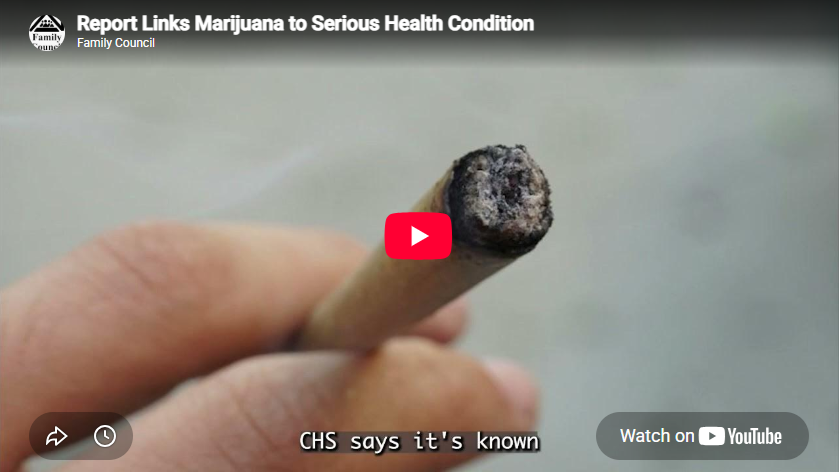
On July 1, the AAMC published a report showing that cannabinoid hyperemesis syndrome (CHS) “has increased more than 500% since 2016.”
CHS is a condition that sends many marijuana users to the emergency room with severe nausea, abdominal pain, and uncontrollable vomiting. The AAMC says in some cases it can cause seizures, heart rhythm problems, and kidney failure, and it can even be fatal.
We have written before how high-potency marijuana is linked to psychotic disorders and other health problems.
Modern marijuana can contain 15% to 30% THC — sometimes even 60% THC — compared to just 3% THC in marijuana from the 1960s. The higher the potency, the greater the risk there is to users.
THC — the main psychoactive substance in marijuana — has been tied repeatedly to everything from heart disease and cancer to stroke, mental illness, and birth defects.
In fact, researchers now say marijuana use doubles a person’s risk of death from heart disease.
And instead of decreasing crime, marijuana’s legalization has actually emboldened drug cartels and increased the flow of illegal drugs across America.
All of this underscores what we have said for years: Marijuana may be many things, but “harmless” simply is not one of them.
Articles appearing on this website are written with the aid of Family Council’s researchers and writers.
Arkansas State Police Seize More Marijuana from Out-of-State

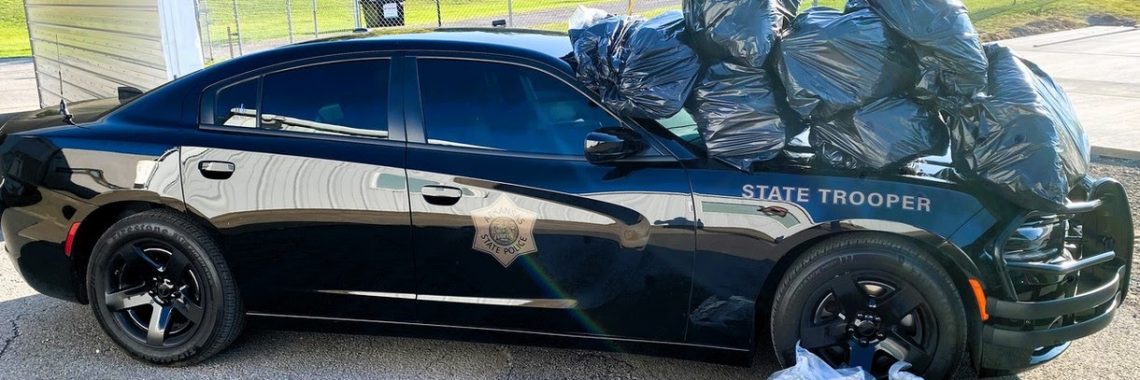
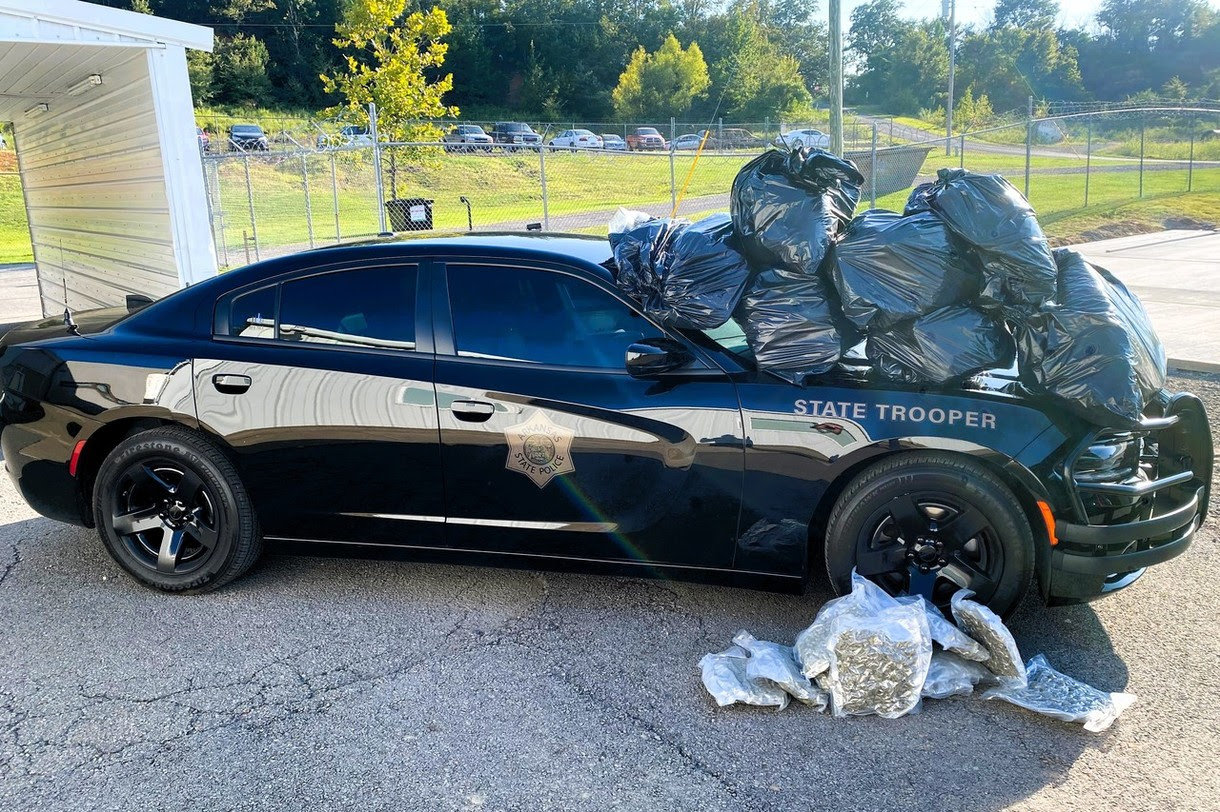
On July 15, Arkansas State Police seized 150 pounds of illegal marijuana during a routine traffic stop on I-40 near Van Buren. The driver — who was taken into custody — reportedly was travelling from California to White Hall, Arkansas. The incident underscores how marijuana’s legalization in other states is actually fueling the black market.
Nationwide, many states have legalized marijuana to varying degrees, and the Trump Administration has moved to ease federal restrictions on the drug. But while policymakers push for more marijuana, law enforcement continues to battle marijuana grown or sold illegally on the black market.
For example, California has seized more than 63,000 pounds of illegal marijuana in the past three months alone. The U.S. Department of Justice has said organized crime from Mexico and China may be making millions of dollars from marijuana grown in states like California.
Illegal marijuana operations often are believed to be tied to labor trafficking and violent crime — contributing to what some have called “modern day slavery on American soil.”
Illegal marijuana grow sites also often use illegal pesticides that poison users and harm the environment.
Arkansas sits at the heart of major drug trafficking corridors, and as a result, the Arkansas State Police routinely intercept marijuana from other states that appears to be intended for the black market.
Contrary to popular belief, marijuana’s legalization has actually emboldened drug cartels, and marijuana use has skyrocketed across America.
About 18 million Americans now use marijuana almost daily — which is triple the number from just over a decade ago. If these frequent users formed their own state, it would be nearly six times the population of Arkansas.
Heavy marijuana use is having serious consequences.
Yale reports roughly 30% of current cannabis users now meet the criteria for addiction, and researchers writing in JAMA found nearly one in three “medical” marijuana users may suffer from cannabis use disorder.
THC — the main psychoactive substance in marijuana — has been tied to everything from heart disease and cancer to stroke, mental illness, and birth defects.
In fact, researchers now say marijuana use doubles a person’s risk of death from heart disease.
All of this underscores what we have said for years: Marijuana may be many things, but “harmless” simply is not one of them.
Articles appearing on this website are written with the aid of Family Council’s researchers and writers.