
Spain’s Top Court Says 25-Year-Old Woman Paralyzed After Attempted Suicide Now Qualifies for Assisted Suicide
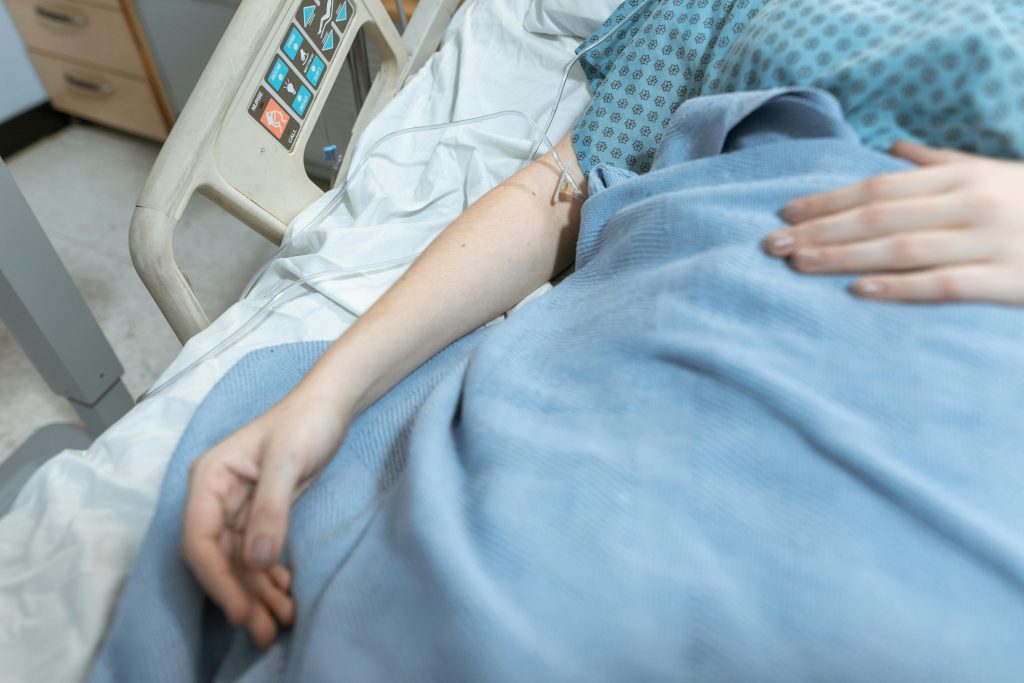
Media outlets report that Spain’s top court has approved assisted suicide for a woman who became paralyzed after attempting suicide.
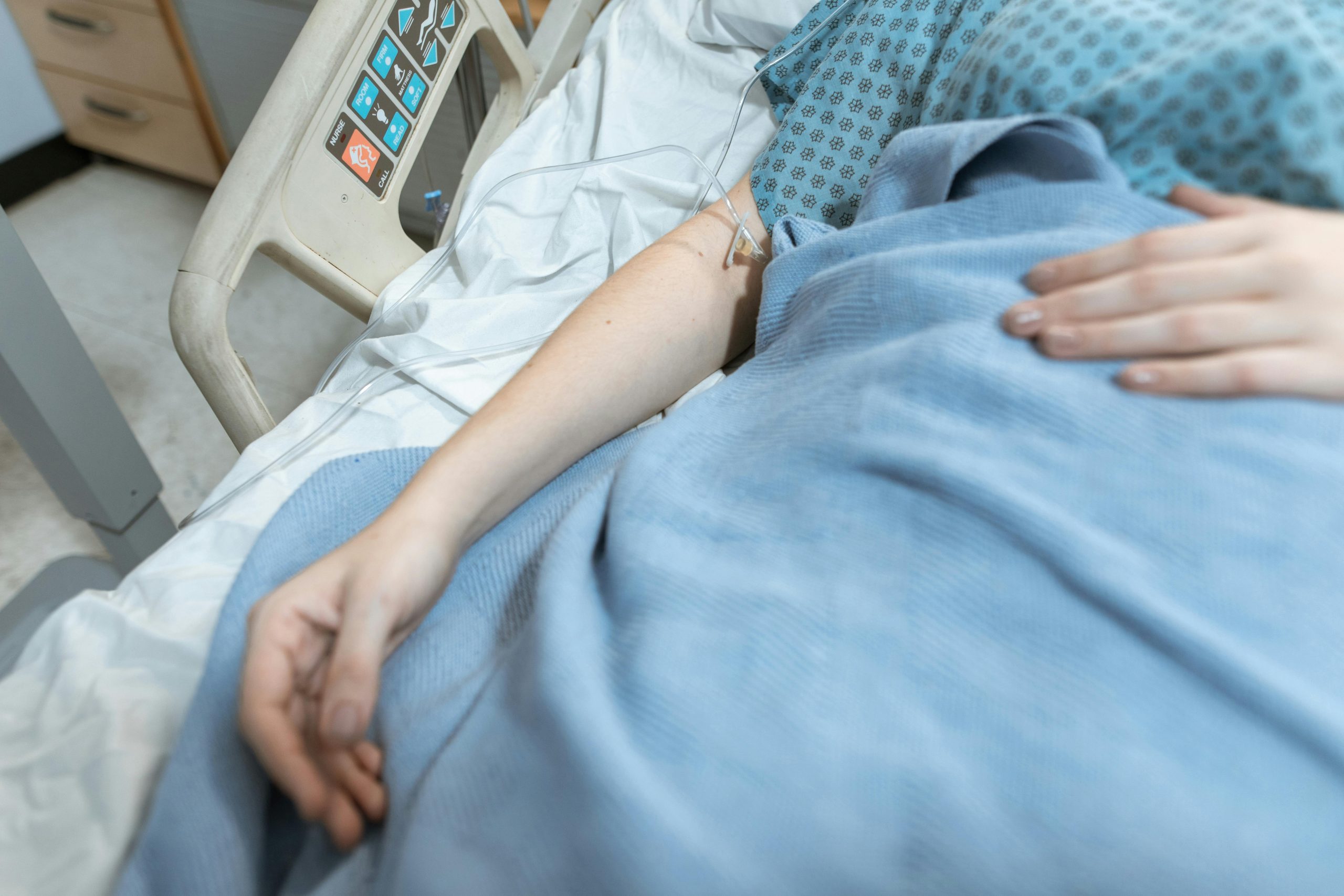
Noelia, 25, from Barcelona, attempted suicide multiple times before an October 2022 attempt left her paralyzed and in chronic pain. Two years later, she received approval for assisted suicide under Spain’s euthanasia policies.
Noelia’s father asked the Spanish court to block his daughter’s death, arguing that she suffers from a personality disorder that impairs her judgment and saying she has responded well to rehabilitation treatment.
However, Spain’s Constitutional Court rejected the father’s appeal on February 20, ruling there was “no violation of fundamental rights.” The decision clears the way for Noelia to end her life.
Obviously, this story underscores the concerns that pro-life advocates and others have raised about assisted suicide and euthanasia.
When someone attempts suicide, the proper response is compassionate care and treatment — not a prescription for lethal drugs.
Unfortunately, situations like the one in Spain may be more common than many people realize.
Testimony out of Canada shows that people with a history of attempting suicide have been approved for assisted suicide and euthanasia under Canadian law.
In 2024, a Canadian judge authorized an autistic 27-year-old woman to seek assisted suicide. In her case, the court ruled that dying would actually be better than living with autism.
That same year, a 28-year-old Dutch woman was approved for euthanasia because of her depression, autism, and borderline personality disorder.
In the U.S., Oregon first allowed assisted suicide in 1998. Since then official state reports have shown again and again that people receive lethal prescriptions for assisted suicide without being referred for psychological or psychiatric evaluation.
All of this reminds us how assisted suicide actually robs people of compassionate care.
Being pro-life means believing human life is sacred from conception until natural death.
Just like abortion, euthanasia and assisted suicide are murder, and they violate the sanctity of human life.
Articles appearing on this website are written with the aid of Family Council’s researchers and writers.