Video: Most Americans Want Abortion Restricted or Abolished
According to a recent poll by CBS News, 55% of Americans believe abortion ought to be either more restricted or abolished altogether.
Watch this video to learn more.


According to a recent poll by CBS News, 55% of Americans believe abortion ought to be either more restricted or abolished altogether.
Watch this video to learn more.
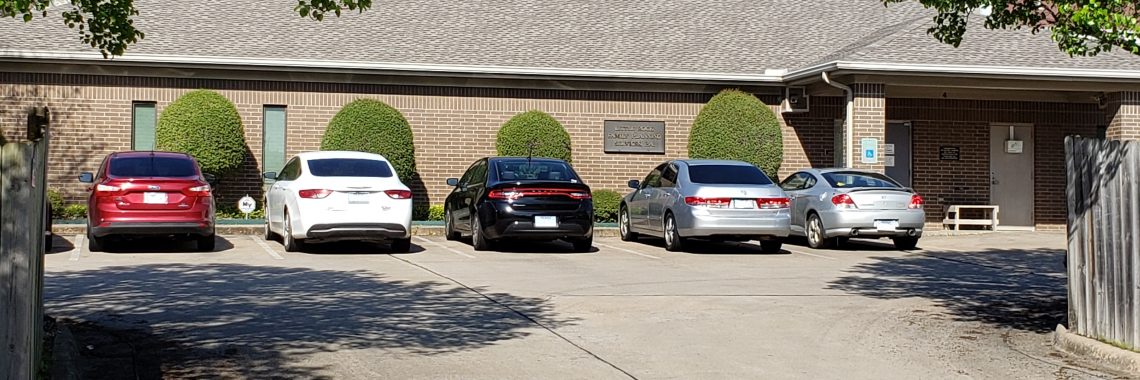
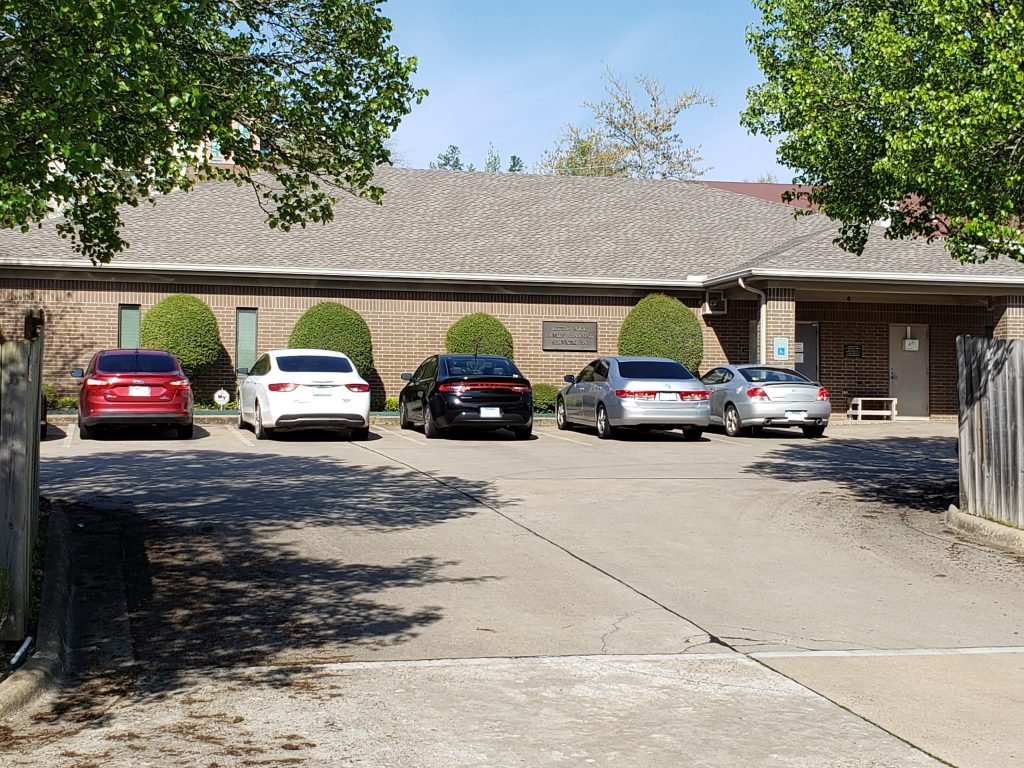
According to documents Family Council recently received from the Arkansas Department of Health, it’s possible that one-third or more of the women who had surgical abortions in Arkansas during the spring COVID-19 shutdowns were from out of state.
In April public health officials ordered Arkansas’ only surgical abortion facility to stop performing elective surgical abortions. The order came as part of the State’s efforts to slow the spread of COVID-19.
On April 7 inspectors from the Arkansas Department of Health visited the surgical abortion facility.
According to the inspection results, fifteen abortions were performed at the facility on April 7, and 14 more were scheduled for April 8.
The inspection documents show that out of these 29 abortions, ten were on women from the neighboring states of Texas, Tennessee, Mississippi, Oklahoma, and Louisiana.
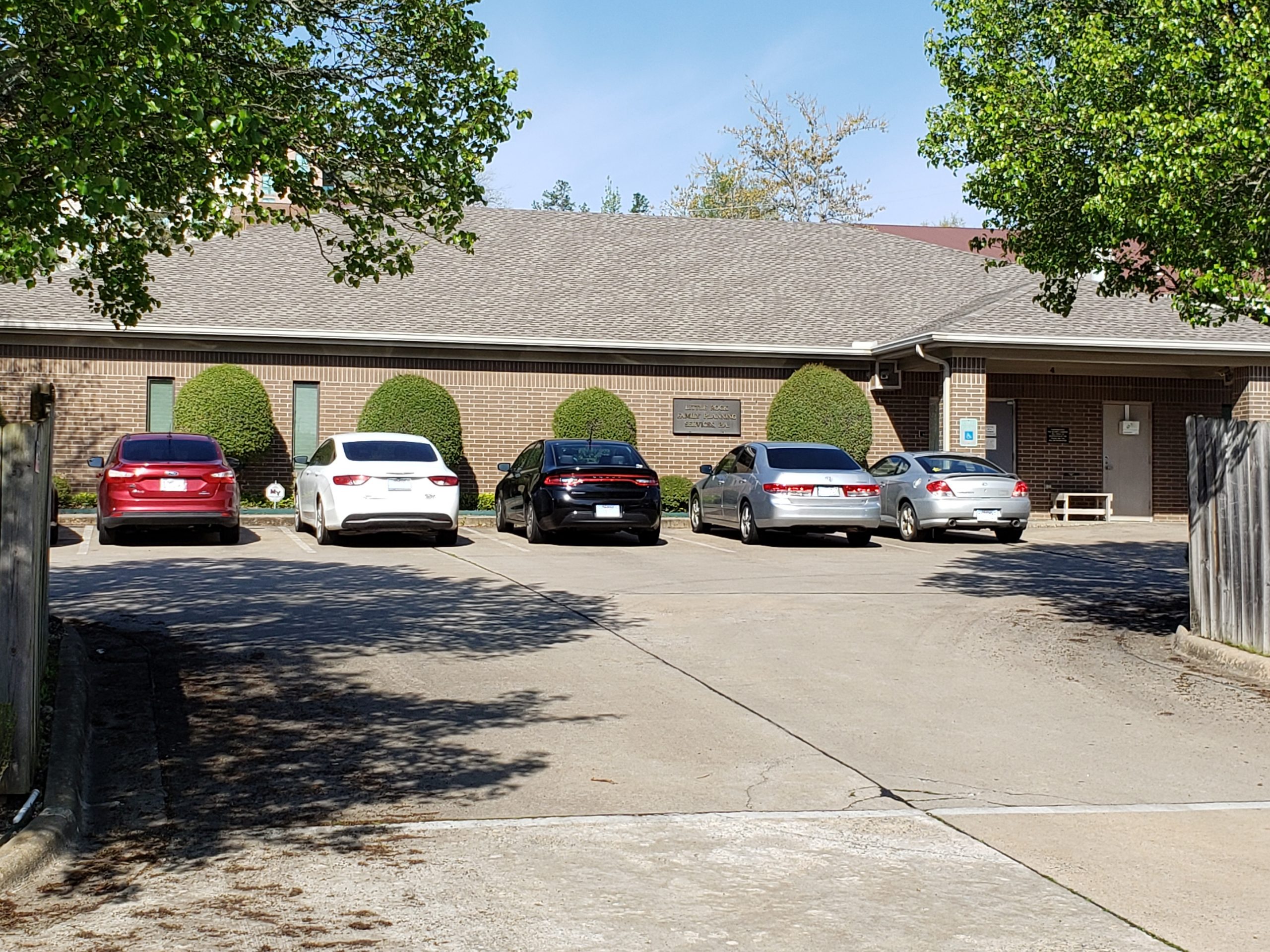
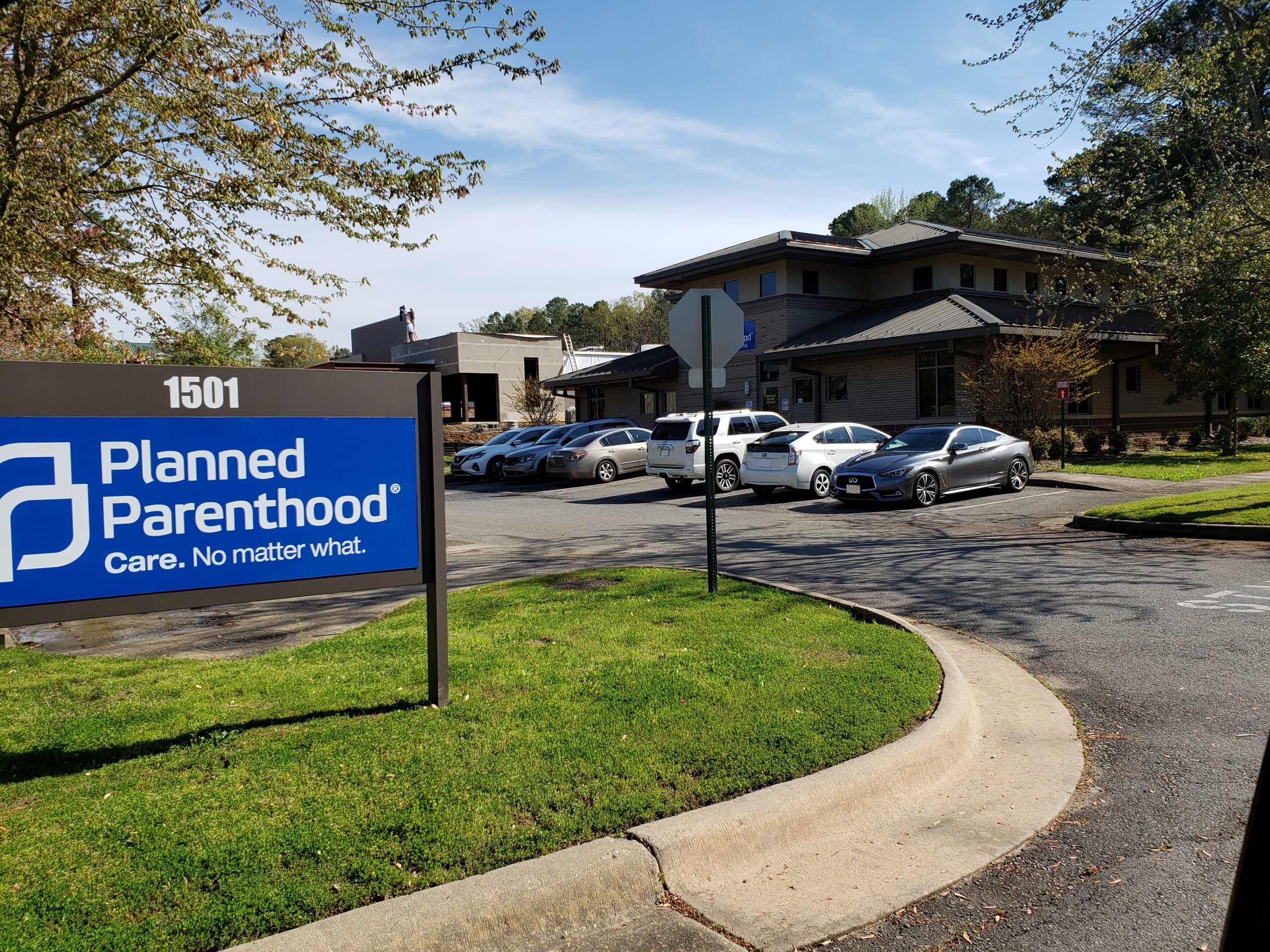
Our team monitored Arkansas’ abortion facilities over the course of several days, and we observed numerous vehicles with out of state tags.
These inspection documents would seem to indicate that it’s possible as many as one-third or more of the surgical abortions performed in Arkansas during the COVID-19 shutdowns earlier this spring were on women from out of state.
Since the year 2000, only 15% of all abortions performed in Arkansas have been on women from out of state, and the past couple of years women from out of state have accounted for only 10% – 12% of all abortions performed in Arkansas.
In light of that, it’s safe to say these documents from the Arkansas Department of Health lay to rest any doubt that women traveled to Arkansas for abortion after the COVID-19 outbreak started.
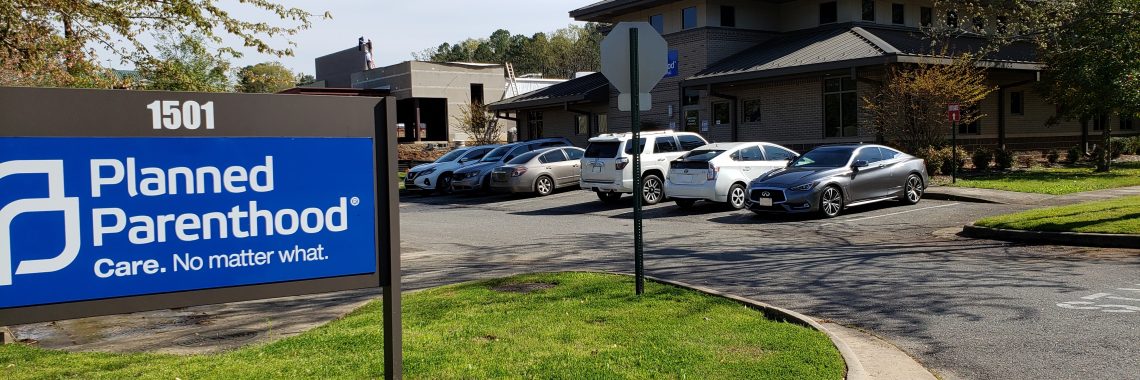
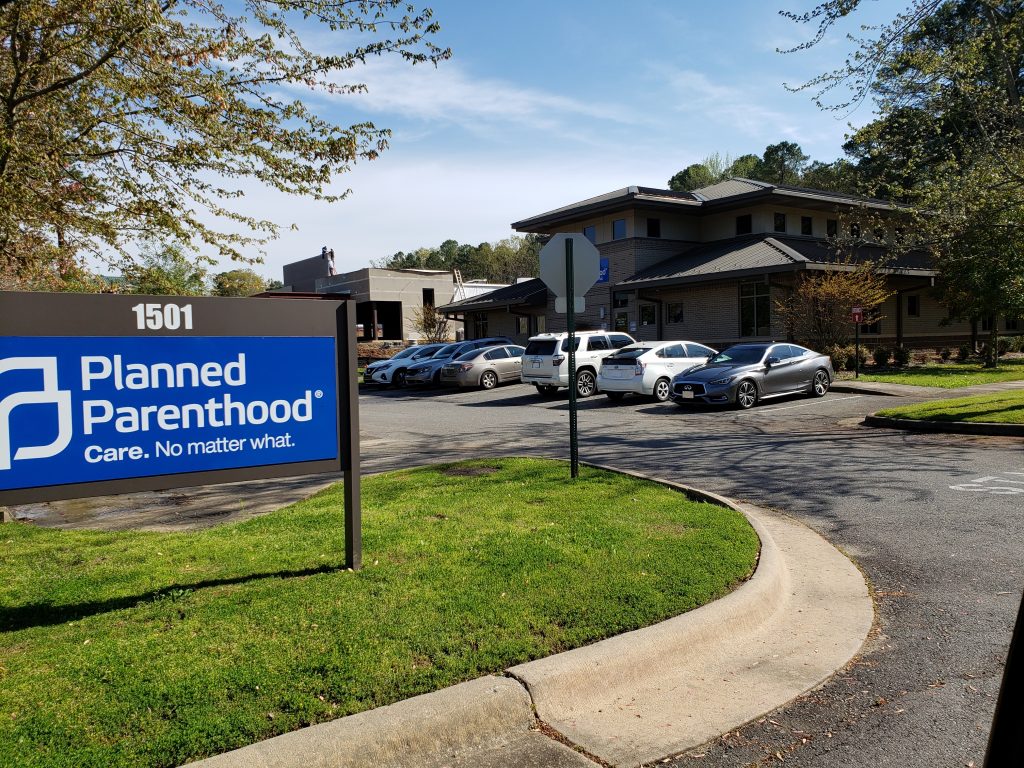
A recent poll by CBS News shows most Americans want stricter limits on abortion, or they want abortion ended altogether.
Pollsters asked people if abortion should be generally available to those who want it, available but under stricter limits than it is now, or not permitted at all.
Overall, 31% said abortion needed stricter limits, and 24% said abortion should not be permitted at all.
In other words, 55% of Americans surveyed believe abortion ought to be either completely illegal or legal under fewer circumstances than it currently is.
Forty-two percent said they would not be able to support a candidate who doesn’t share their views on abortion.
Interestingly, the survey under-represented Republicans. Democrats who responded to the CBS survey outnumbered Republicans by about 37%. In light of that, it’s possible that the percentage of Americans who want abortion restricted or abolished actually is higher than these polling numbers reflect.
This is just another poll demonstrating that Americans don’t support abortion on demand.
Time and again we have seen surveys that show most Americans believe abortion ought to be completely illegal or legal only under certain circumstances. Arkansans in particular oppose abortion.
These numbers just go to show that slowly but surely we are winning the fight to protect innocent human life.
You can read the poll results and see the survey questions and responses here.