Unpacking the Two New Lawsuits Over Abortion Drugs
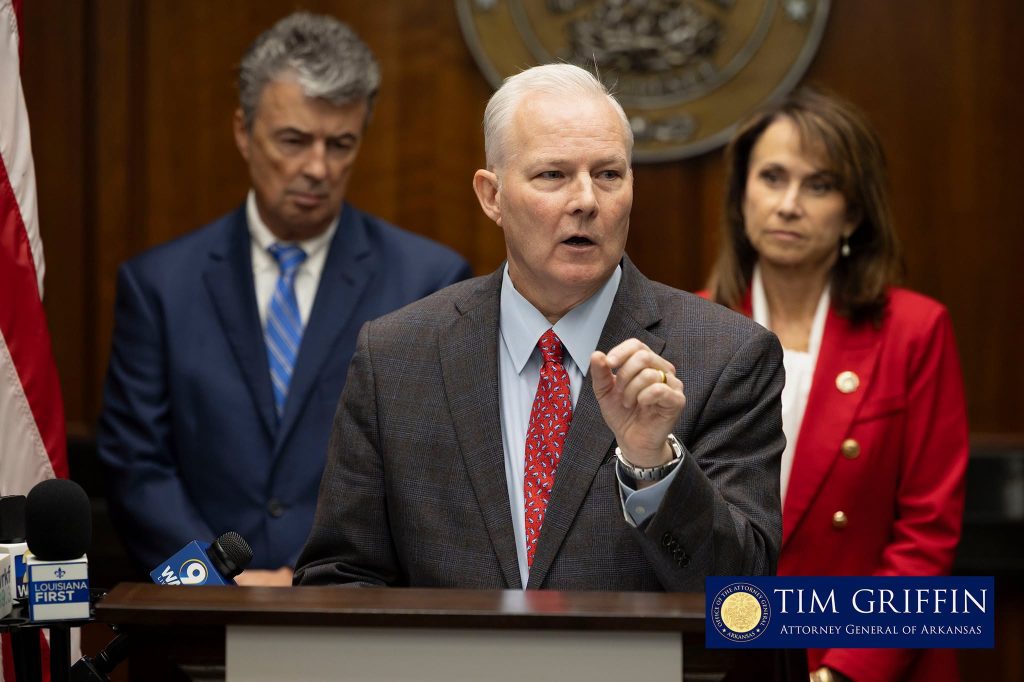
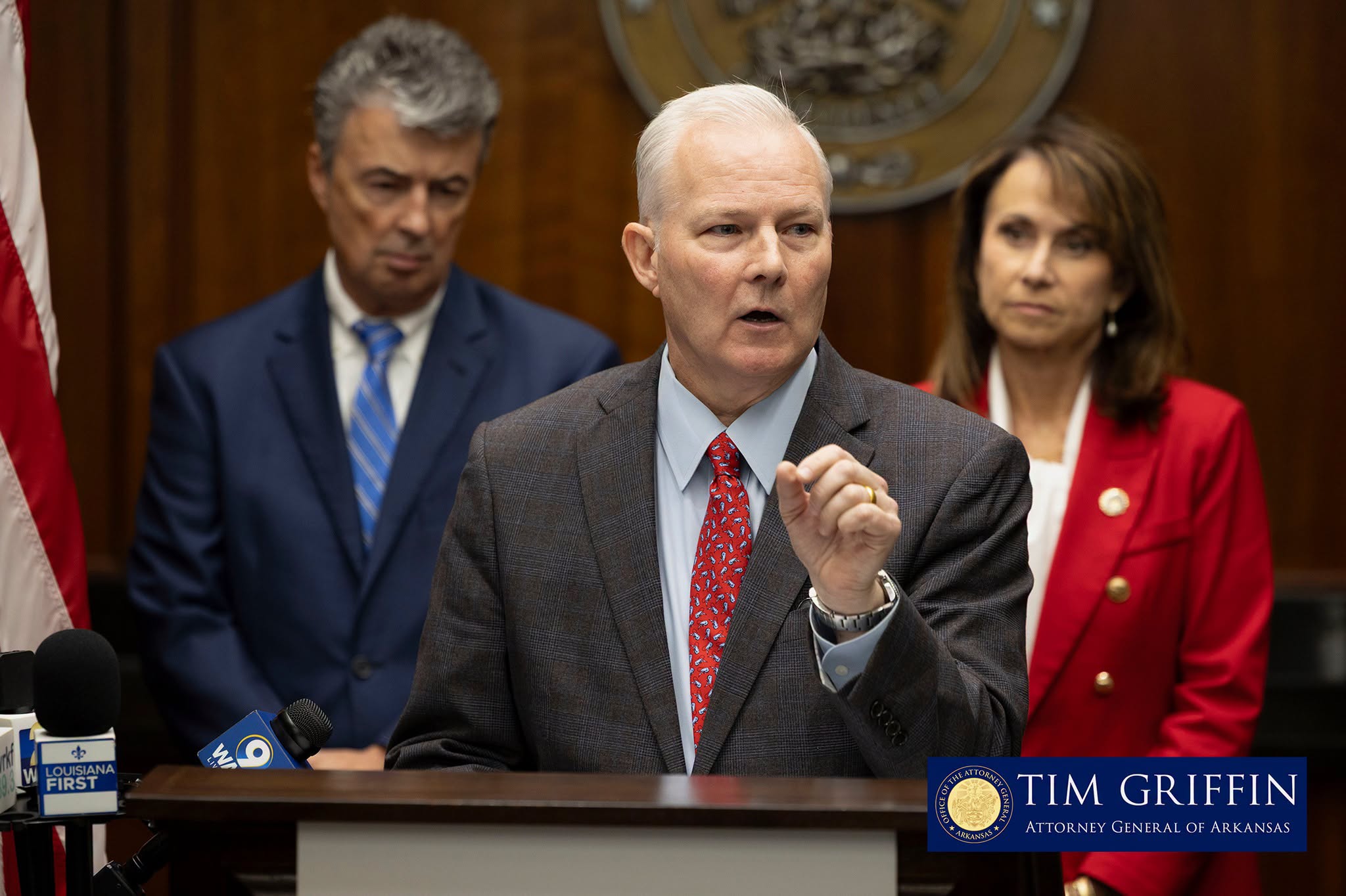
On Wednesday, the State of Arkansas joined Louisiana and Alabama in two new, multistate lawsuits over abortion drugs.
Since 2022, Arkansas law has generally prohibited abortion except to save the life of the mother, and it is a crime for an abortionist to mail abortion drugs into Arkansas. But Biden-era policies and state “shield laws” enacted by pro-abortion legislatures have made it possible for abortionists in other parts of the country to send abortion drugs like mifepristone and misoprostol through the mail into states like Arkansas.
The two new federal lawsuits that Arkansas joined on Wednesday challenge this dangerous mail-order abortion industry.
Unpacking The Lawsuit Against New York, California, and Massachusetts
The first lawsuit is against the States of New York, Massachusetts, and California. All three states have legalized abortion, and they have enacted “shield laws” that prevent abortionists in their states from being held accountable when they mail abortion drugs into states like Arkansas.
The lawsuit against these three pro-abortion states was filed as an original action with the U.S. Supreme Court — meaning the Supreme Court will decide the case directly.
The lawsuit argues that New York, Massachusetts, and California have created legal systems specifically designed to protect abortionists who break abortion laws in Arkansas, Louisiana, and Alabama. It argues that these “shield laws” are unconstitutional, and it asks the U.S. Supreme Court to strike them down.
Unpacking The Consumer Protection Lawsuit Against A Nationwide Network of Abortionists
The second federal lawsuit is a consumer protection case against 29 individuals and organizations in other states who allegedly are part of a nationwide network that ships abortion pills through the mail.
Arkansas, Louisiana, and Alabama filed this lawsuit in federal district court in Louisiana on Wednesday — meaning the case will likely have to work its way through the 5th Circuit Court of Appeals.
The lawsuit names individuals and groups associated with abortion pill providers Attorney General Tim Griffin has sent cease-and-desist letters to in the past, such as Plan C and Aid Access.
According to the attorney general’s complaint, the people and organizations named in the lawsuit:
- Advertise abortion drugs online to residents of Arkansas, Louisiana, and Alabama
- Designed their operations to avoid state medical and licensing requirements
- Use brief internet questionnaires rather than in-person exams when providing abortion pills
- Prescribe and ship abortion drugs through mail-order pharmacies or pack and mail the drugs themselves
- Structure their operations so that prescribers remain physically outside Arkansas, Louisiana, and Alabama
- Rely on pro-abortion “shield laws” in their home states for protection
The complaint also alleges that the defendants misrepresent or minimize abortion drugs’ risks, legality, and effectiveness. It says some advise women who experience complications from abortion pills to seek emergency treatment and lie to healthcare providers by saying they are suffering from a miscarriage.
The lawsuit argues that all of this violates deceptive trade and consumer protection laws in Arkansas, Louisiana, and Alabama, and it asks the court to hold these 29 individuals and organizations accountable.
The lawsuit also says that some or all of the defendants named in the suit may be “violating the federal Racketeer Influenced and Corruption Organizations Act (RICO) and its state law counterparts” and indicates the lawsuit may be amended if that is confirmed at a later point.
Together, these two lawsuits directly challenge “shield laws” that let abortionists hurt women and unborn children, and they give our federal court system a compelling reason to hold abortionists in other states accountable for the harm they have caused.
All of this is really good news, and we appreciate Attorney General Tim Griffin working with Louisiana Attorney General Liz Murrill and Alabama Attorney General Steve Marshall on this important issue.
Abortion drugs are dangerous. These drugs hurt women, and they kill unborn children.
Research from the Ethics and Public Policy Center shows 11% of women experience serious health complications from abortion pills — including sepsis, infection, and life-threatening hemorrhage. These drugs should not be available at all — much less through the mail without an in-person visit with a doctor. That is why Family Council is encouraging pro-lifers everywhere to ask the federal government to stop letting abortionists deliver abortion drugs through the mail.
We are confident our federal courts ultimately will recognize how dangerous these drugs are and let states like Arkansas enforce their pro-life laws.
Articles appearing on this website are written with the aid of Family Council’s researchers and writers.