
NFL, Sportsbooks Face Lawsuit Over Micro-Betting Addiction

Two Pennsylvania men have sued NFL, DraftKings, FanDuel, and other sportsbooks over the harm from gambling addiction and in-game micro-bets.
Nationwide, sports betting is now legal in 39 states, and in Arkansas people wagered an average of nearly $1.8 million on it every day last year. But a growing body of evidence shows sports betting is harmful. Internet sportsbooks and online gambling are especially destructive.
One problem is that many sportsbooks accept micro-bet wagers — such as bets placed on the next play, next pitch, or next possession during a ballgame.
Micro-bets are designed to be fast-paced and repetitive, both of which are linked to problem gambling and addiction.
Pennsylvania plaintiffs Christopher Sage and Terry Thompson allege in their lawsuit that they developed gambling addictions after DraftKings and FanDuel began offering micro-bets.
The sportsbooks also allegedly assigned each man a personal “VIP Host” who enticed them to continue gambling.
We have written again and again about the dangers of internet sports betting.
Twenty-year-old males account for approximately 40% of calls to gambling addiction hotlines, and upwards of 20 million men are in debt or have been in debt as a result of sports betting.
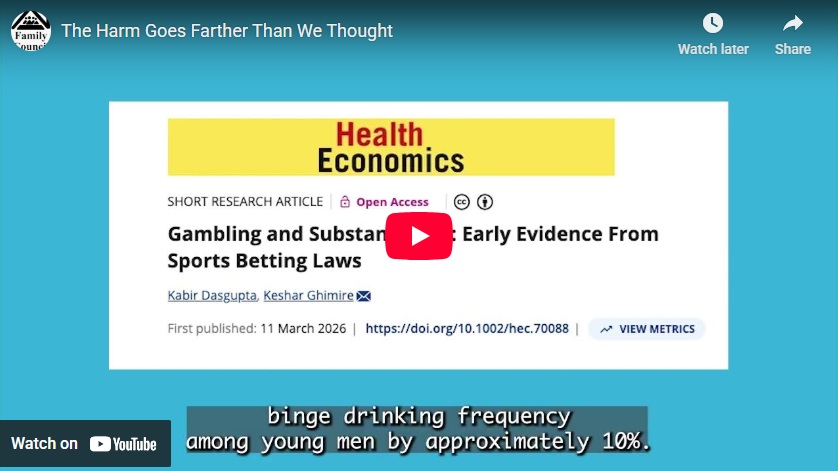
There is strong evidence linking sports betting to increases in binge drinking as well as physical and mental harm.
Researchers also say legal sports betting is tied to sharp increases in violent crime.
Arkansans need to understand that sports betting isn’t harmless entertainment — it’s predatory, and it is expanding in our state.
In February, the Arkansas Racing Commission approved sports betting license applications by FanDuel and DraftKings. DraftKings reportedly will partner with Southland Casino in West Memphis, and FanDuel will partner with Oaklawn Casino in Hot Springs.
As this lawsuit highlights, sports betting fosters addiction, and it is linked to serious problems that hurt individuals, families, and whole communities.
As powerful corporations try to make gambling part of everyday life, it’s important for Arkansas to protect its citizens and families from predatory gambling.
Otherwise gambling addiction will simply continue wrecking lives and hurting families in our state.
Articles appearing on this website are written with the aid of Family Council’s researchers and writers.