
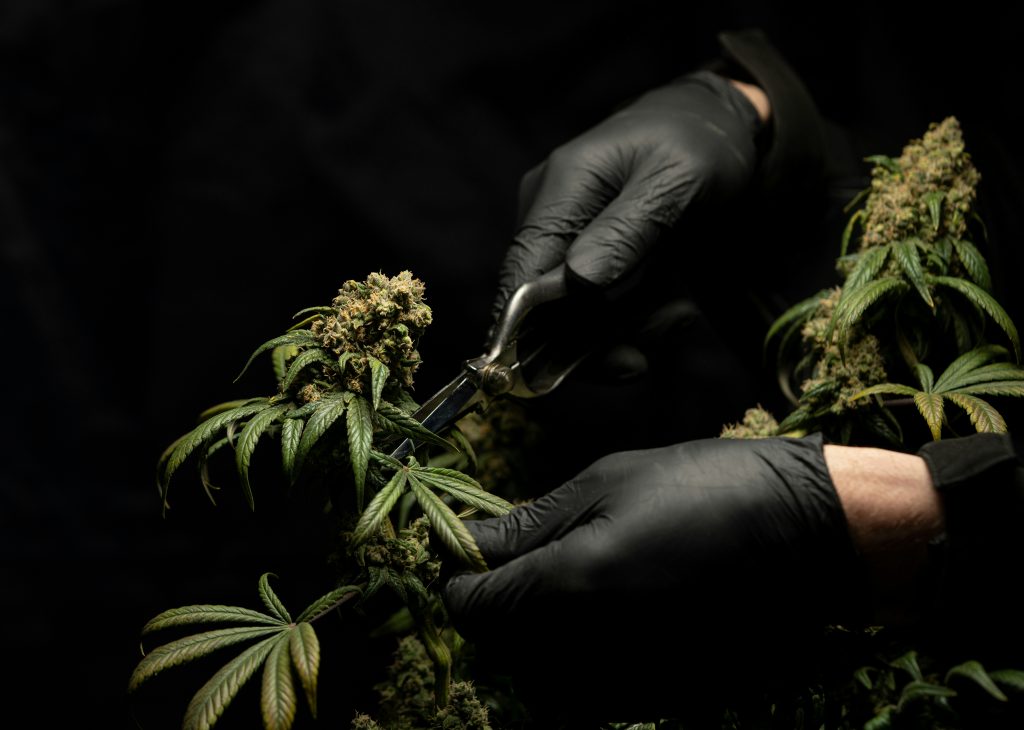
One of the questions that has come up in recent years is how much Big Tobacco may be behind marijuana in the U.S. and internationally.
Nationwide, many states have legalized marijuana to varying degrees, and federal regulators have moved to ease restrictions on the drug. But while policymakers push for more marijuana, pundits continue to raise concerns about the companies backing this multibillion-dollar industry.
In 2019, Altria — the company that owns cigarette manufacturer Philip Morris USA — bought a 45% equity stake in the Canadian marijuana company Cronos Group. In a statement, Altria said:
“This investment positions Altria to participate in the emerging global cannabis sector, which we believe is poised for rapid growth over the next decade. It also creates a new growth opportunity in a category that is adjacent and complementary to our core tobacco businesses.”
In 2019, tobacco giant Imperial Brands announced it was investing in Canadian marijuana, highlighting the similarities between the cannabis industry and tobacco.
In 2021, British American Tobacco (BAT) — which owns brands like Camel and Pall Mall cigarettes — announced plans to invest in Canadian cannabis as part of the tobacco giant’s “beyond nicotine” strategy. The next year, BAT revealed it had also purchased a stake in German cannabis company Sanity Group.
Earlier this year, BAT announced a multimillion-dollar investment in Colorado-based hemp company Charlotte’s Web.
Stories like these are one reason some groups are concerned marijuana could become the next Big Tobacco.
Contrary to popular belief, recent research has linked a number of health problems to products made from marijuana and hemp.
In 2024, lab testing from California found many marijuana products contained “concerning” levels of pesticides. Other research found marijuana often was contaminated with arsenic, lead, or mold, and that marijuana users may suffer from higher levels of heavy metals in their blood.
Last year, the Oregon Liquor and Cannabis Commission tested 51 samples of industrial hemp flowers as part of the commission’s “Operation Clean Leaf” initiative. All 51 samples contained more THC than federal law allowed, and authorities said some were tainted with dangerous pesticides.
THC — the main psychoactive substance in marijuana — has been tied repeatedly to everything from heart disease and cancer to stroke, mental illness, and birth defects.
Modern marijuana can contain 15% to 30% THC — sometimes even 60% THC — compared to just 3% THC in marijuana from the 1960s. The higher the potency, the greater the risk there is to users.
In fact, researchers now say marijuana use doubles a person’s risk of death from heart disease.
And instead of decreasing crime, marijuana’s legalization has actually emboldened drug cartels and increased the flow of illegal drugs across America.
In Arkansas, marijuana businesses have contributed heavily to candidate campaigns and spent millions of dollars working unsuccessfully to legalize recreational marijuana.
All of this underscores what we have said for years: Marijuana may be many things, but “harmless” simply is not one of them.
Articles appearing on this website are written with the aid of Family Council’s researchers and writers.