-
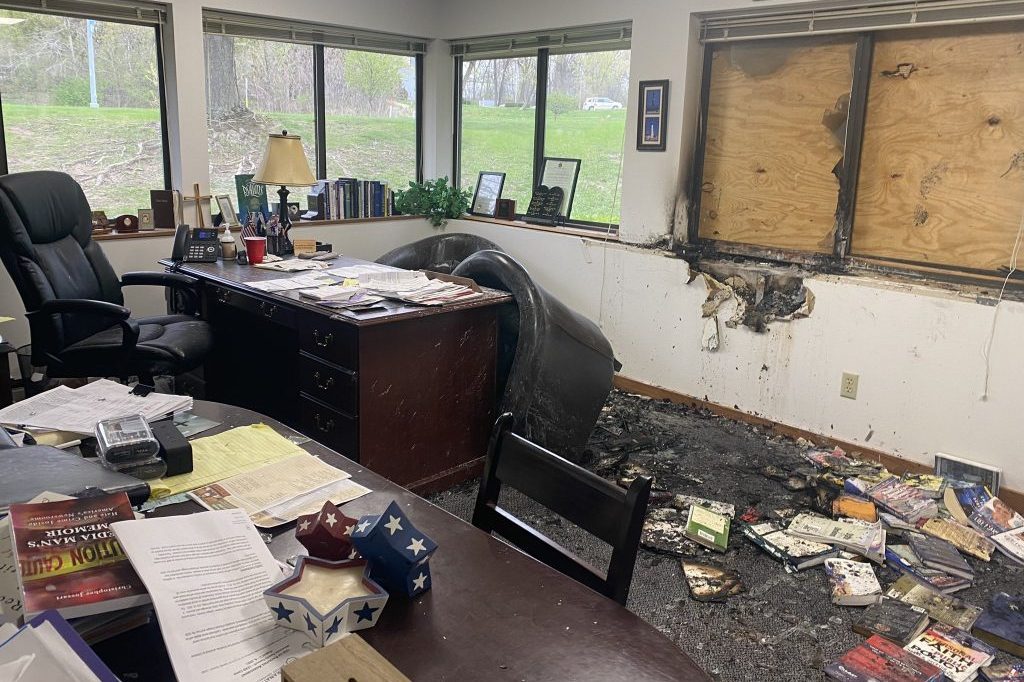
U.S. Issues Sanctions Against Foreign Organization that Aided Violent Pro-Abortion Group “Jane’s Revenge”
Last month, the federal government imposed sanctions on a left-wing…







About Family Council
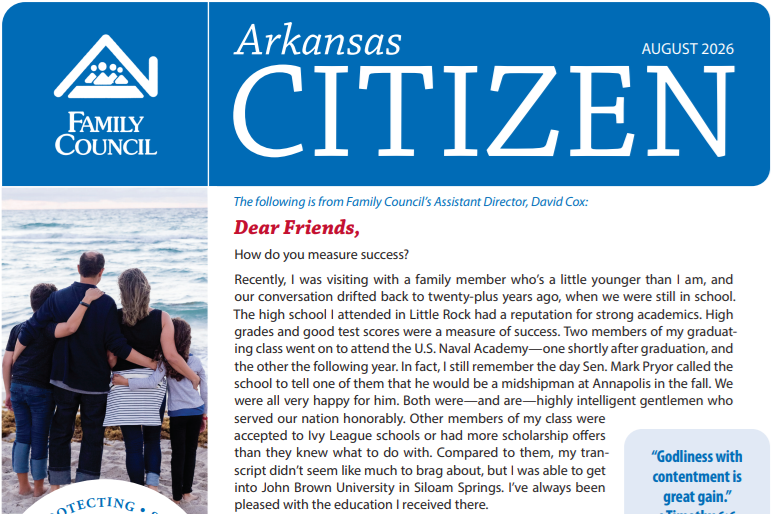
Since 1989, Family Council has been at the forefront promoting, protecting, and strengthening traditional family values in Arkansas. We are part of a nation-wide network of family policy councils associated with Focus on the Family.
Our mission involves shaping public opinion through media interviews, producing voter’s guides for elections, and shaping public policies through the legislative process. Family Council is a conservative education and research organization based in Little Rock, Arkansas. The Education Alliance and the Arkansas Physicians Resource Council are division of our work dedicated to promoting home schooling and to enabling Arkansas physicians to address social and moral issues that impact medical ethics.
Our offices are located just two blocks from the State Capitol Building in downtown Little Rock, Arkansas.
Here’s What A Few Of Our Friends Say About Us
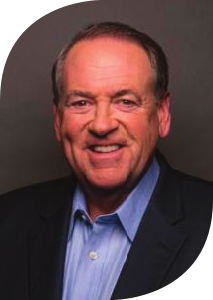
“The Family Council has been incredibly effective in advocating for Biblical values in state government. When I talk to leaders of pro-family and pro-life organizations around the country, I tell them that if they want to see the template of how to be a credible and successful voice for families, watch how Jerry Cox does it in Arkansas. He is a tireless and patient force for the family and the Family Council sits through all those tedious legislative hearings so you don’t have to!”
——Mike Huckabee
Minister and former Arkansas Governor
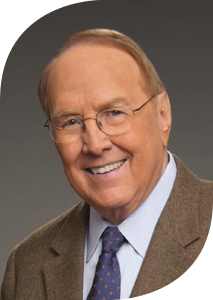
“While Focus on the Family promotes and defends traditional values at the national level, we need organizations like Arkansas Family Council to accomplish this mission locally. I encourage the people of Arkansas to join forces with Arkansas Family Council.”
—James Dobson
Founder, Focus on the Family
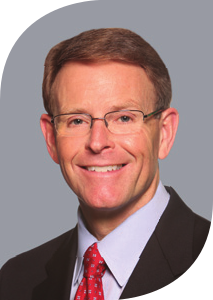
“Family Council is a stalwart defender of marriage, religious liberty, and the sanctity of human life. I deeply appreciate their commitment to godly values.”
—Tony Perkins
President, Family Research Council
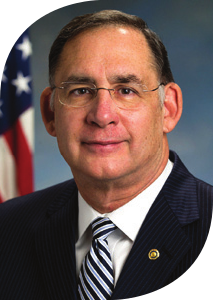
“There are few who advocate as strongly for Arkansas values as Jerry Cox and his team at the Family Council. To that end, Family Council’s leadership is invaluable.”
—John Boozman
United States Senator
“I can think of no organization that represents the interests of traditional values and Christian interests in our community in such an exemplary fashion as does Family Council. It is an excellent organization with excellent leadership. I highly recommend it to anyone.”
—Robert Lewis
Minister and author

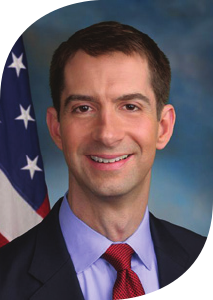
“Family Council is a leading Arkansas resource when it comes to information about candidates running for office and all social conservative issues. Their hard work helps Arkansans vote with confidence each Election Day. They provide a tremendous amount of value to Arkansas.”
—Tom Cotton
United States Senator
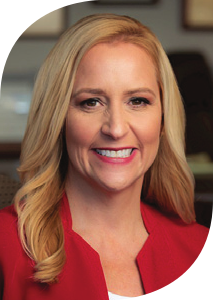
“Family Council has proven to be a strong ally in my relentless efforts to defend the lives and rights of the unborn, making Arkansas one of the most pro-life states in the country.”
—Leslie Rutledge
Lieutenant Governor of Arkansas
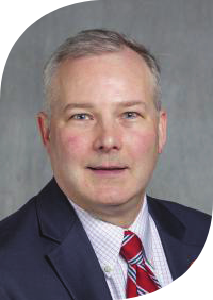
“For more than thirty years Family Council has been dependable at keeping Arkansans informed on the issues that matter most. I’m glad to call them my friends.”
—Tim Griffin
Arkansas Attorney General
“George Washington pointedly reminded Americans that ‘Of all the dispositions and habits which lead to political prosperity, religion and morality are indispensable supports . . . The mere politician, equally with the pious man, ought to respect and to cherish them.’ Jerry Cox and the Family Council firmly believe this and are advocates for these principles in public policy throughout the state. I would encourage Arkansans to join the Family Council as well as financially support and pray for them. They are your voice to elected officials across the state.”
—David Barton
Founder, WallBuilders