

NIH Looking to Fund Human-Animal Hybrid Research
 The National Institute of Health announced last week it is looking to end its ban on public funding for what some call “chimera” research–that is, research that involves combining human DNA with animal DNA.
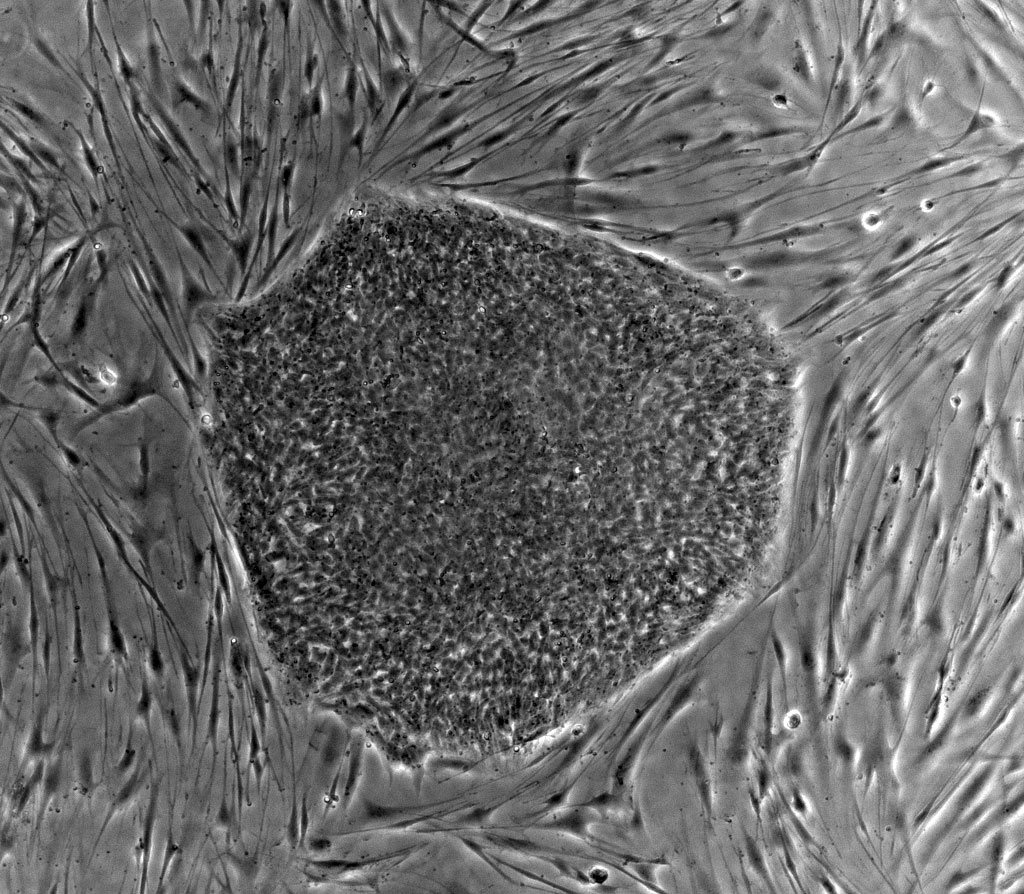
In a nutshell, researchers are performing experiments in which human stem cells are inserted into modified animal embryos–such as modified pig embryos. The animal embryos develop with the human cells inside them.
Researchers believe they can refine the process so that eventually human organs can be “grown,” for example, inside animals and eventually “harvested” for people in need of organ transplants. They are asking the NIH to help fund their experiments, and the NIH appears to be planning to provide the funds.
If all of this sounds weird or ethically suspect to you, you aren’t alone. As Kansans for Life writes,
If the purposeful creation of human-animal chimeras is allowed for research purposes, it opens to door to abuse of the technique for reproduction, as well as creation of part-human organisms as bizarre designer humans or animals. It could produce an animal that produces human sperm or eggs. It could produce an animal with a human brain.
Some have criticized researchers for “playing God.” Others worry the experiments will lead to the creation of new, quasi-human species, and will further blur the lines between humans and animals. These are all valid points, but the immediate, ethical question this research raises is simple: Where will researchers get their stem cells?
This research involves injecting human stem cells into modified animal embryos. Human stem cells are often acquired by creating–and then killing–human embryos to harvest the embryos’ stem cells.
Research that uses human embryonic stem cells is highly unethical, because it kills unborn children in the process.
Other stem cells are acquired from aborted unborn babies, as we have written in the past. These stem cells are sometimes billed as “adult stem cells,” but they don’t actually come from adults. They come from aborted children.
It is possible to obtain stem cells ethically–without killing any unborn children–but it’s often difficult to know if researchers are using ethically-obtained stem cells. If the NIH begins funding research involving human stem cells, our first concern is that researchers will use embryonic stem cells or stem cells obtained from dead unborn children. That sort of research simply is not acceptable.
The National Institute of Health is accepting public comments on the proposed rule change until September 6. Please contact the NIH, and ask them not to fund or encourage this type of research. Click here to find out how to submit your comments.
 USA Today