Senate Education Committee Rejects Pro-Life Ultrasound Education Bill

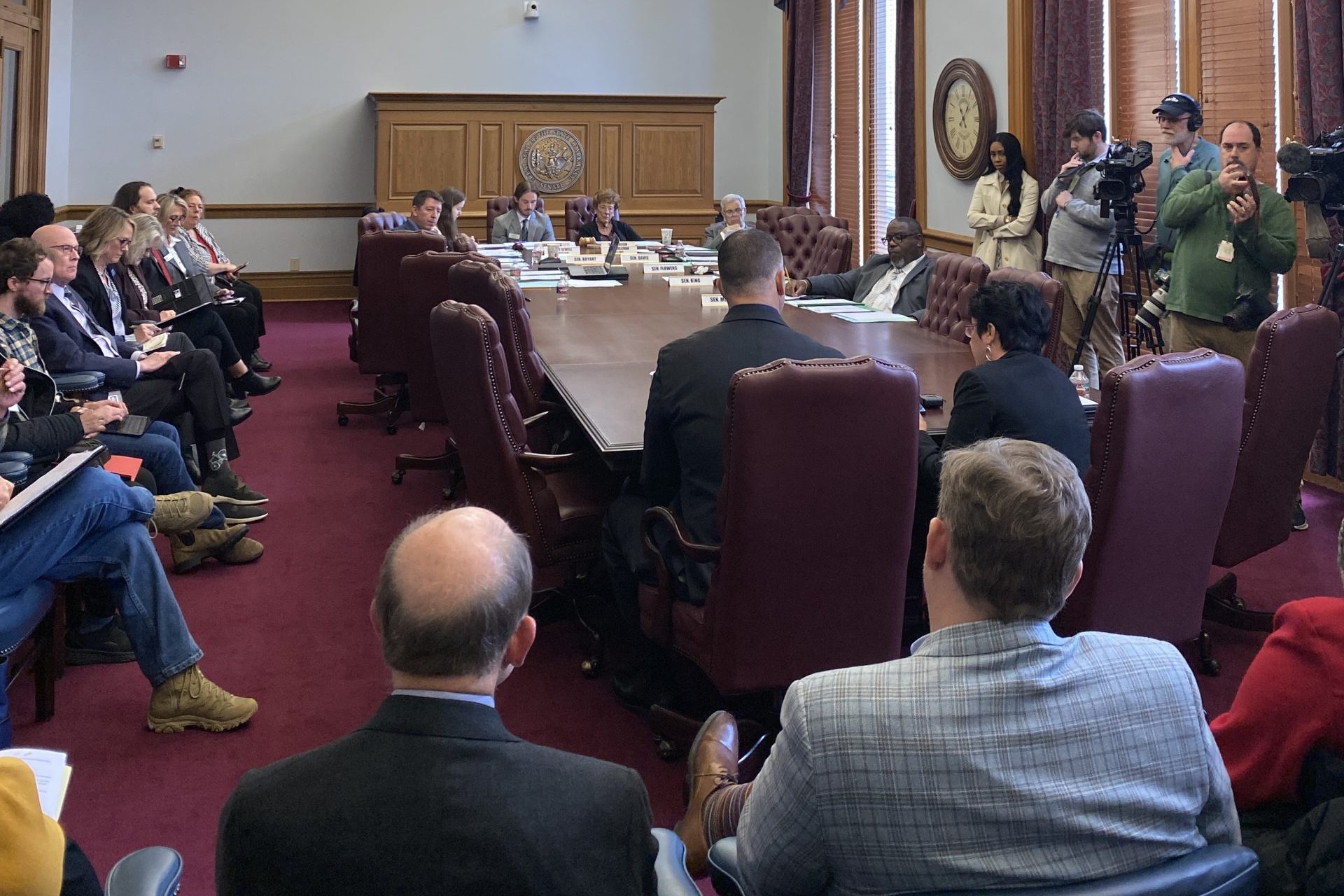
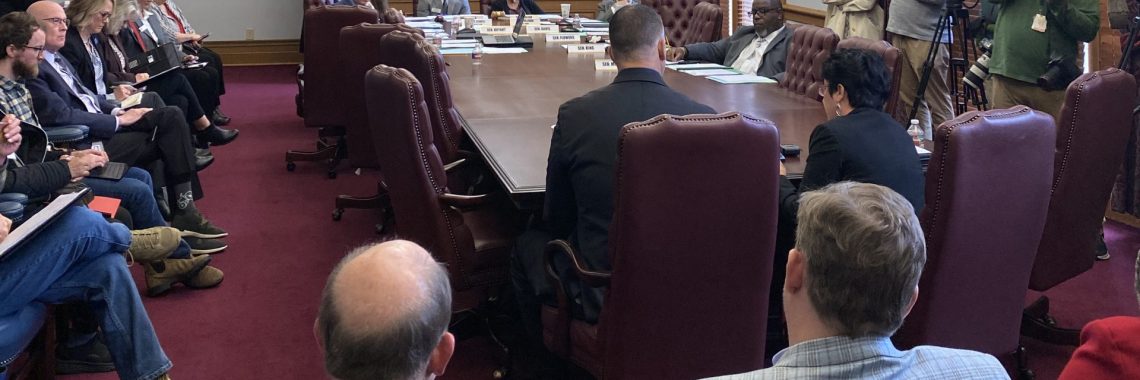
Above: The Senate Education Committee hears an explanation of H.B. 1180, the Baby Olivia Act by Rep. Bentley and Sen. Penzo. The committee has failed to pass this good bill twice this year. (File Photo: 2/10/25)

On Wednesday, the Senate Education Committee rejected a good bill that would help provide public school students in Arkansas with appropriate education about unborn children.

H.B. 1180, The Baby Olivia Act, by Rep. Mary Bentley (R — Perryville) and Sen. Clint Penzo (R — Springdale) ensures public schools show students a recording of a high-definition ultrasound video that is at least three minutes long as part of sex-education and human growth and development education courses.

It also lets students see a video like Live Action’s computer-animated “Meet Baby Olivia” video that teaches about human development from conception to birth.

The bill passed with overwhelming support in the Arkansas House, but the Senate Education Committee failed to pass H.B. 1180 on Wednesday morning.

The bill is backed by the Arkansas Surgeon General, pro-life OB/GYNs, and various pro-life groups and leaders in the state.

Pro-abortion groups like the Arkansas Abortion Support Network, For AR People, and the liberal medical organization ACOG oppose H.B. 1180.

This is the second time the Senate Education Committee has refused to pass this good bill.

H.B. 1180 narrowly avoided a “Do Not Pass” motion from the committee on February 10. After that, Rep. Bentley and Sen. Penzo amended the measure to help address questions and concerns some of the Senate Education Committee members expressed about it.

Passing a bill in committee requires five votes, but only four senators voted for H.B. 1180. Three senators voted against the bill, and one senator chose not to vote.

The Following Senators Voted FOR H.B. 1180:

  • Sen. Jim Dotson (R — Bentonville)
  • Sen. Joshua Bryant (R — Rogers)
  • Sen. Dan Sullivan (R — Jonesboro)
  • Sen. Bryan King (R — Green Forrest)

The Following Senators Voted AGAINST H.B. 1180:

  • Sen. Stephanie Flowers (D — Pine Bluff)
  • Sen. Breanne Davis (R — Russellville)
  • Sen. Reginald Murdock (D — Marianna)

The Following Senator Did Not Vote:

  • Sen. Jane English (R — North Little Rock)

Articles appearing on this website are written with the aid of Family Council’s researchers and writers.

Ohio Court Blocks Law Ensuring Dignity for the Unborn

Last week, the A.P. reported a judge in Ohio ruled a law requiring aborted babies to be respectfully buried or cremated violates the state constitution.

In 2023, Ohio voters passed an amendment enshrining abortion in the state constitution. Since then, the ACLU and other pro-abortion groups have filed lawsuits claiming virtually all of Ohio’s laws related to abortion — including informed-consent requirements and medical licensing laws — are unconstitutional.

Ohio’s legislature passed a law five years ago ensuring aborted babies would be respectfully buried or cremated. Laws like these do not restrict or prohibit abortion. They simply outline how aborted babies are supposed to be treated.

Without laws like these, abortionists may sell an aborted baby’s organs to medical researchers or simply incinerate the baby’s remains as if they were medical waste.

The story is a sobering reminder of what happens when states write abortion into their constitutions. Not only is Ohio’s abortion amendment preventing the state from enacting common-sense abortion regulations, but the state can’t even ensure that the bodies of aborted babies are treated with respect.

All of this should concern Arkansas, where pro-abortion groups worked unsuccessfully to place an abortion amendment on the 2024 ballot.

In 2017, the Arkansas Legislature passed Act 603 by then-Rep. Kim Hammer (R — Benton). This good law ensured aborted babies in Arkansas would be respectfully buried or cremated rather than incinerated or sold to research companies.

In response, the ACLU filed a lawsuit to block Act 603 in Arkansas. That case languished in federal court until the ACLU finally dropped the lawsuit following the reversal of Roe v. Wade in 2022.

Today, abortion in Arkansas is prohibited except to save the life of the mother. And thanks to Act 603 by Rep. Hammer, if an abortion is necessary to save the mother’s life, Arkansas’ law ensures the aborted baby’s body is treated with the same level of respect we show to other human bodies.

If abortion were written into the state constitution, it could jeopardize even very basic requirements for abortionists — including laws like Act 603 that treat aborted babies with dignity.

That’s a very troubling thought.

Articles appearing on this website are written with the aid of Family Council’s researchers and writers.

Bill Filed to Protect Women and Children from Abortion Drugs

New legislation proposed in Arkansas would clarify that abortion by fraud is a crime.

H.B. 1551 by Rep. Jimmy Gazaway (R — Paragould) makes it a felony to secretly give a pregnant woman abortion-inducing drugs without her knowledge or consent.

Right now abortion in Arkansas is generally prohibited except to save the life of the mother, and it is illegal to deliver abortion-inducing drugs into the state. Arkansas also has laws prohibiting fetal homicide. However, Arkansas has no specific law addressing situations in which a person secretly gives abortion drugs like RU-486 to a pregnant woman.

In 2022 a Texas man placed abortion drugs in his pregnant wife’s water in order to cause the death of her unborn child, according to the Associated Press. Since then, states have begun proposing laws like H.B. 1551 to prevent this type of crime.

Abortion-inducing drugs take the life of an unborn child. They also carry significant health risks for women — including risks of sepsis and death. In some cases, abortion drugs actually can be more dangerous for women than surgical abortion procedures.

Our laws should do everything possible to protect women and unborn children from these dangerous drugs. H.B. 1551 is a good bill that will help do exactly that. You Can Read H.B. 1551 Here.