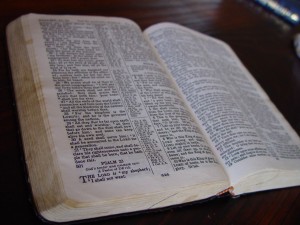
 As we have written before, a few years ago the Arkansas Legislature passed a law authorizing public schools to teach about the Bible.
Act 1440 of 2013 permits public schools to offer elective academic courses that study “the Bible and its influence on literature, art, music, culture, and politics.” The courses must be objective and nonsectarian, and must meet the same academic standards as other elective courses offered in public schools.
According to CNSNews.com, the Bentonville School Board is considering whether to offer an elective course on the Bible in the coming school year–drawing the ire of the Freedom From Religion Foundation, an atheist group based in Wisconsin, who sent a letter to the board last month in opposition to the course.
It is worth noting courts have indicated the U.S. Constitution does not prevent public school students from being taught about the Bible and its significance throughout human history, provided the instruction is conducted in an educational and neutral manner.
In 1980, the U.S. Supreme Court even went so far in its Stone v. Graham decision as to say, “the Bible may constitutionally be used in an appropriate study of history, civilization, ethics, comparative religion, or the like.” The key is the state has to have a legitimate, secular purpose in offering elective courses on the Bible.
Act 1440’s stated purpose for these classes is to study the Bible’s influence on our culture. This purpose seems more than reasonable, considering no single book has held more sway over western culture than the Bible.
As we have also said before, students and teachers do not shed their First Amendment freedoms by walking into a school. Students are free to form religiously-based student organizations. Students can even discuss their faith, if relevant, as part of course assignments and homework. They can peacefully read scripture or pray during breaks, before school, and after school.
READ MORE

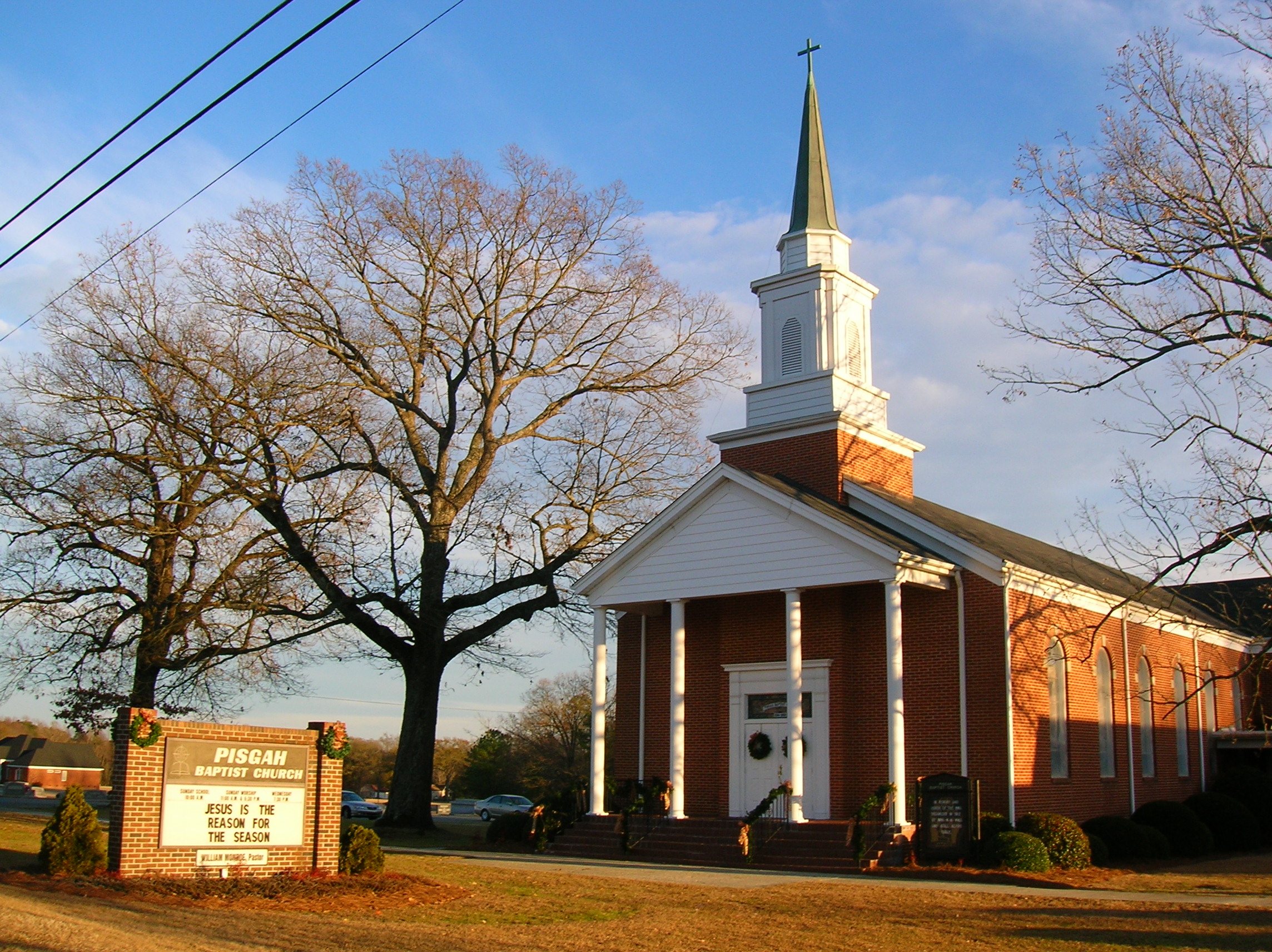
 According to the Associated Press, Washington County election officials in Arkansas will continue using churches as polling sites despite complaints from an atheist group.

 Last week Arkansas Attorney General Leslie Rutledge’s office signed an amicus brief in the case of Trinity Lutheran v. Pauley.