
Oregon Homeschool Mom Sues for Religious Discrimination

Tessa Bulzan, a Christian mother of five who homeschools her two oldest children in Oregon, is suing the Hillsboro School District for discriminating against her choice to use religious educational materials for her children.

Tessa Bulzan, a Christian homeschool mom in Oregon, recently filed a lawsuit after public school officials denied her reimbursement for religious curriculum.

Homeschoolers in Oregon are eligible for reimbursements for educational expenses. Similar programs operate in other states around the country — including Arkansas, where homeschoolers may receive funding via Educational Freedom Accounts.

But in Oregon, public school officials have apparently provided reimbursements for secular curricula while refusing to reimburse for religious curricula. Attorneys at Alliance Defending Freedom (ADF) write:

“Tessa Bulzan homeschools her children because she believes that God calls her to do so, instilling her faith in her children through her chosen homeschooling materials and curricula.

“Hillsboro School District offers a Homeschooling Partnership that reimburses parents for educational materials the parents choose and offers in-person learning opportunities to supplement home instruction. The program’s representative told Bulzan that she could use any curriculum, including a religious one, so she chose a combination of Abeka and Classical Conversations for her homeschooled instruction and enrolled her children in classes through the Firmly Planted Hillsboro co-op. All three provide God-centered academic instruction.

“After enrollment, the school district had very little interaction with Bulzan, providing virtually no oversight for her instruction. When the homeschooled mother went to submit her expenses for reimbursement at the end of the first semester, however, district employees denied reimbursing any of the Abeka or Classical Conversation costs and any of the Firmly Planted Hillsboro co-op fees ‘due to the Christian and biblical worldview that is taught’ and the ‘Christian beliefs and themes [that] are integrated throughout core subject areas.'”

ADF says Bulzan appealed the denial, but the school district still refused. Finally, she filed a lawsuit against the district with help from ADF.

To put it plainly, public officials cannot exclude religious people or religious groups from government programs.

In 2017, the U.S. Supreme Court ruled that it is unconstitutional to withhold public benefits to a person or group because they are religious.

The lawsuit against Oregon’s Hillsboro School District makes this point very clearly.

Arkansas has enacted good laws over the years like the Religious Freedom Restoration Act that stop the government from discriminating against people because of their religious convictions. Laws like it should help prevent cases like the one in Oregon from happening here.

We appreciate our friends at Alliance Defending Freedom standing up for religious liberty and defending homeschoolers in court.

Articles appearing on this website are written with the aid of Family Council’s researchers and writers.


Homeschool Surge Continues in Arkansas

The number of homeschoolers in Arkansas has more than doubled over the past ten years and is on track to go even higher.

In 2016, there were 19,520 homeschoolers across the state. By 2023, homeschooling had surged to nearly 30,000 students. And now official reports from the Arkansas Department of Education show that 40,470 children filed as homeschoolers during the 2026 school year.

One reason for the recent surge in homeschooling may be the Educational Freedom Account (EFA) program that Arkansas established under the LEARNS Act in 2023.

The EFA program makes it possible for students to use public funds to pay for an education at a public or private school or at home. Thousands of homeschool students have taken advantage of the program and test scores show they are excelling.

Many families feel that public education has deteriorated over the years, and they don’t like the direction it is heading. For those families, the EFA program offers real alternatives that help their children succeed. That is part of the reason Family Council and its Education Alliance homeschool division have supported the EFA program.

The State of Arkansas seems to be getting more out of each education dollar invested in homeschooling through the EFA program than anywhere else. That’s good for everyone.

The number of homeschoolers in Arkansas has risen drastically over the past decade — but especially since 2023.

As more families make good use of the EFA program, we believe Arkansas’ homeschool numbers could go even higher in the coming school year.

Articles appearing on this website are written with the aid of Family Council’s researchers and writers.
Lawmakers Approve EFA Rules Despite Homeschoolers’ Concerns

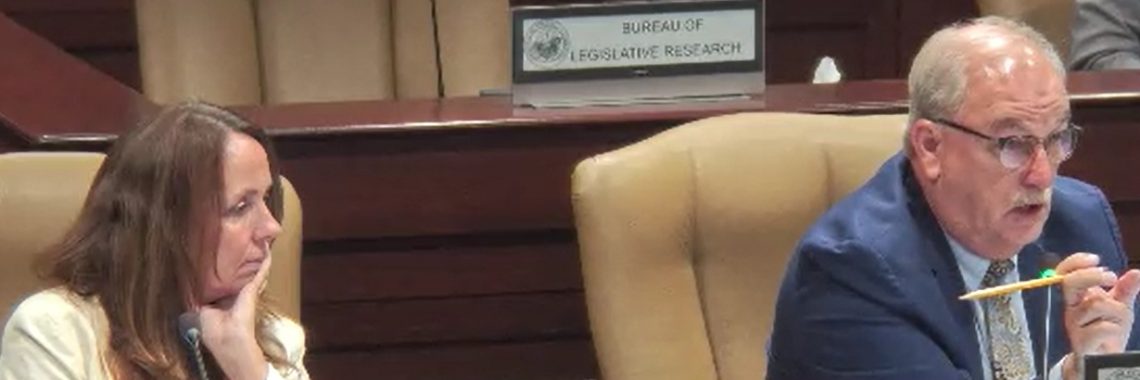
Above: The Administrative Rules Subcommittee approved the new EFA restrictions despite concerns homeschoolers voiced about unintended consequences from the rules.

On Monday, a legislative subcommittee approved a new slate of Educational Freedom Account (EFA) rules despite strong concerns voiced by homeschoolers in the EFA program. The new rules are slated to take effect July 1.

Arkansas created the EFA program in 2023, making it possible for students to use public funds to pay for an education at a public or private school or at home. Thousands of homeschool students have taken advantage of this great program and test scores show they are excelling.

But earlier this spring the Arkansas Department of Education approved new administrative rules restricting how homeschoolers spend EFA funds on extracurricular activities and establishing complicated preapproval and reimbursement requirements for homeschoolers.

We have written repeatedly about how the wording in these rules carries unintended consequences for homeschoolers in the EFA program and won’t help save the State money.

On Monday, the Arkansas Legislative Council’s Administrative Rules Subcommittee approved the new EFA rules despite written comments from some 200 or more homeschoolers expressing concerns about unintended consequences from the rules and despite several homeschoolers travelling to the Capitol to voice their concerns in-person at the committee meeting.

During the meeting, some lawmakers indicated they believe homeschoolers should be more regulated and that the EFA program does not have to be fair to homeschoolers.

The EFA program is voluntary, and whether a family participates in it or not is up to them. But if a family chooses to homeschool under the EFA program, the rules ought to be fair for everyone.

In the past the Arkansas Department of Education has utilized workgroups that relied on input from parents in the EFA program to ensure EFA rules worked properly and did not carry unintended consequences. In this case, policymakers approved the rules despite concerns from stakeholders in the program.

Family Council and the Education Alliance deeply appreciate the homeschoolers who were willing to comment and testify on the unintended consequences from these rules, and we plan to work with homeschoolers to make sure they are treated as fairly as possible under the EFA program.

Articles appearing on this website are written with the aid of Family Council’s researchers and writers.