DEI Diversion: Corporate America Rebrands Without Fully Retreating

A recent report from The Conference Board shows Corporate America is in retreat from leftwing “diversity, equity, and inclusion” (DEI) policies — but the truth may be more complicated.

The report relied on corporate disclosure documents “to examine how US public companies are recalibrating public reporting” when it comes to DEI. Researchers found use of the acronym “DEI” fell by 68% from 2024 to 2025 in the major filings from S&P 500 companies.

While that sounds like good news, ESG Dive says the figures reveal that corporations may simply be renaming their DEI initiatives or talking about them less instead of abandoning DEI altogether. The outlet writes:

While firms scaled back DEI language and commitments, 79% percent of S&P 500 firms disclosed board committee oversight of DEI, up from 72%, according to the report. For Russell 3000 companies, this figure jumped from 48.4% to 86.8%. Rather than simply abandoning DEI, this suggests that companies are being more cautious about external messaging while integrating DEI into governance to make it more legally defensible, according to the report.

The Harvard Law School Forum on Corporate Governance put it this way:

Corporate public DEI messaging and communications are undergoing a legal- and risk-driven reframing in 2025, with companies reducing the visibility of DEI language while selectively preserving or embedding related goals in ways that are more cautious, controlled, and defensible.

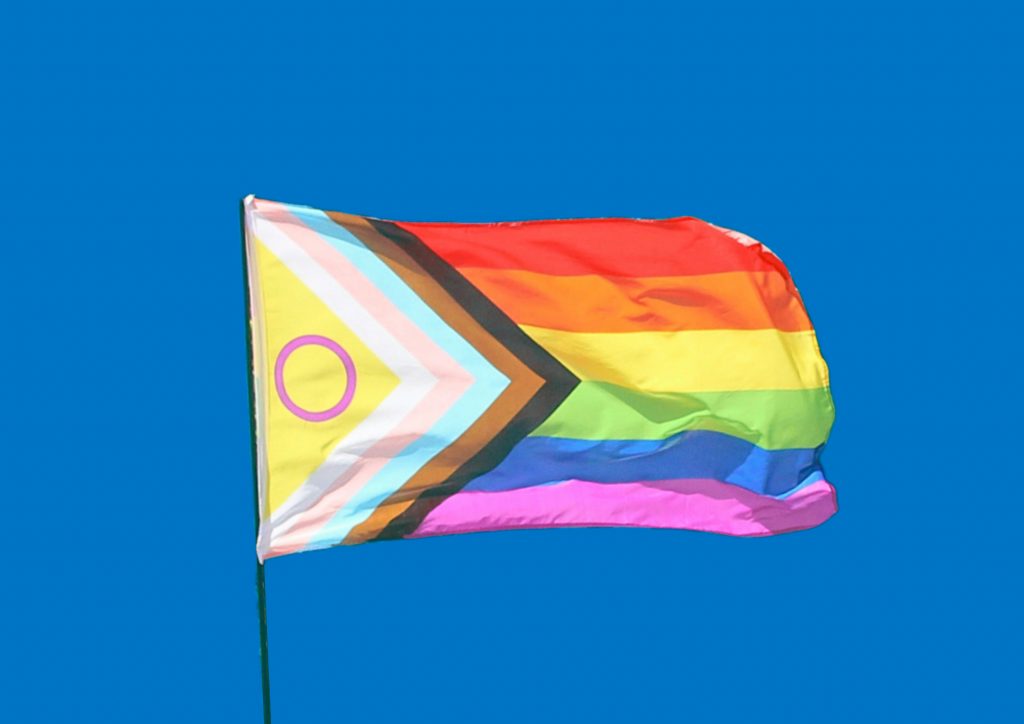
In other words, instead of retreating from DEI and pro-LGBT initiatives, corporations may simply be renaming them.

Many companies established DEI policies to create an equal playing field for racial and ethnic minorities. However, it did not take long for LGBT groups and others to hijack those policies to promote gender-identity politics and other radical ideologies in the workplace.

We have written repeatedly about how DEI initiatives have been used to promote critical race theory and other leftwing ideologies — however, Americans have pushed back against these initiatives.

Following boycotts and backlash, companies like Walmart, Target, Toyota, John Deere, Lowe’s, Tractor Supply, Harley Davidson, and others rolled back their pro-LGBT diversity, equity, and inclusion policies.

More generally, in 2023 Bud Light managed to singlehandedly overthrow itself as the number-one beer in America after sending transgender social media influencer Dylan Mulvaney a novelty can of Bud Light with Mulvaney’s picture on it. Since then, Target quietly has replaced its LGBT pride merchandise, and entertainment giants like Pixar and Disney have removed pro-LGBT elements from their storylines.

It’s obvious that corporate DEI initiatives and pro-LGBT pandering are deeply out-of-step with everyday Americans. These are flawed ideologies that do not ensure individuals are valued, heard, or included. Employees who hold biblical views of marriage or gender risk losing their jobs in workplaces that have adopted DEI policies. None of that is good for our economy or our country.

Instead of renaming these programs, Corporate America should continue to retreat from DEI altogether, plain and simple.

Articles appearing on this website are written with the aid of Family Council’s researchers and writers.

Family Council Joins Brief Urging Supreme Court to Address School Gender Transition Case

Last Friday, Family Council joined an amicus brief urging the U.S. Supreme Court to take up Lee v. Poudre School District R-1 — a case challenging a Colorado school’s efforts to socially “gender transition” two middle school girls without their parents’ knowledge or consent. The amicus brief was led by Advancing American Freedom, and 42 pro-family organizations took part in it. This case is one of several that could protect children and parents from dangerous transgender ideologies.

Over the past five years, it has become clear that the “consensus” regarding social and medical gender transitions for children has been largely manufactured by pro-LGBT activists. Fortunately, Arkansas’ legislators have pushed back.

In 2021, lawmakers passed the Save Adolescents from Experimentation (SAFE) Act generally prohibiting doctors from performing sex-change procedures on children or giving them puberty blockers and cross-sex hormones. That law was recently upheld in federal court.

In 2023, Arkansas passed Act 542 protecting teachers or faculty members who decline to use someone’s preferred pronouns at school.

That same year, legislators passed Act 317 to protect privacy in public school locker rooms, showers, restrooms, changing areas, and similar facilities by requiring public schools to designate these facilities for “male” or “female” use.

The Arkansas Legislature also passed the LEARNS Act overhauling public education in Arkansas, prohibiting critical race theory in public schools, and protecting young elementary school children from inappropriate pro-LGBT material in the classroom.

Taken together, these good laws — and others like them — protect children from social and physical gender transition.

Public school students should not be taught to question their sexual-orientation or their gender, and schools should not lie to parents about what their children are learning at school.

Family Council is pleased to stand up for parents and children. We hope the U.S. Supreme Court will take up this case.

Articles appearing on this website are written with the aid of Family Council’s researchers and writers.

Minnesota Court Battle Shows Why Arkansas’ Law Protecting Women’s Sports Matters

On Wednesday a federal court in Minnesota heard oral arguments in a lawsuit over fairness in women’s sports.

The group Female Athletes United is challenging a Minnesota policy that lets male athletes compete in women’s athletics.

We have written many times about how male athletes have taken first place medals and podium spots away from women and girls.

Title IX is a federal law that prohibits discrimination on the basis of sex in education and in activities that receive federal funding — like school athletic programs. But in recent years there have been various policies and rules that drastically redefined “sex” under state and federal law to include sexual orientation and gender identity.

As a result, many policymakers and educators — including officials in Minnesota — have adopted policies that let male athletes compete in women’s sports and use girls’ locker rooms, showers, restrooms, and changing areas at school.

Female Athletes United is an organization that advocates for women and girls in sports. In May, the organization filed a lawsuit to strike down Minnesota’s policy that lets biological males compete in girls’ sports. The organization is represented by attorneys from Alliance Defending Freedom. Wednesday’s arguments in court are part of the lawsuit to strike down Minnesota’s policy.

In a statement, Alliance Defending Freedom wrote,

Alliance Defending Freedom attorneys represent Female Athletes United in a lawsuit challenging a discriminatory Minnesota athletics policy that violates the equal treatment and athletic opportunities for girls guaranteed by Title IX.

“Minnesota is failing its female athletes,” said ADF Senior Counsel Rory Gray, who will be arguing before the court. “The state is putting males ahead of females, telling girls their hard work may never be enough to win and that they don’t deserve fairness and safety. By sacrificing protection for female athletes, Minnesota fails to offer girls equal treatment and opportunity, violating Title IX’s provisions. We are advocating for true equality in sports and urge the court to enjoin Minnesota’s discriminatory policy.”

It seems likely that our federal courts ultimately will rule against Minnesota’s policy and uphold fairness in women’s sports.

Earlier this year, President Trump signed executive orders protecting fairness in women’s sports.

Since then the U.S. Department of Education has worked hard to ensure public schools, colleges, and universities treat women and girls fairly.

Letting men compete in women’s sports is unfair, and it effectively erases women’s athletics.

Female swimmerspowerlifterscyclistssprintersvolleyball players, and others have seen their sports radically changed by men who claim to be women. That hampers their ability to compete for athletic scholarships, and it hurts their professional opportunities as adults.

In some sports, letting men compete against women can even be dangerous.

In 2021 Arkansas passed Act 461 by Sen. Missy Irvin (R — Mountain View) and Rep. Sonia Barker (R — Smackover) preventing male student athletes from competing against girls in women’s athletics at school. This good law protects fairness in women’s sports — and it has spared Arkansas from some of the legal battles that other states have faced over athletic programs.

Arkansas also has adopted good laws protecting physical privacy in school locker rooms, showers, restrooms, changing areas, and sleeping accommodations.

Most Americans agree that athletes should compete according to their biological sex — not their gender identity.

We deeply appreciate organizations like Alliance Defending Freedom and Female Athletes United who stand up for fairness in women’s sports. We also appreciate Arkansas’ lawmakers who have enacted good measures protecting fairness in women’s sports in our state.

Articles appearing on this website are written with the aid of Family Council’s researchers and writers.