


Why are Arkansas’ “Medical” Marijuana Sales So High?

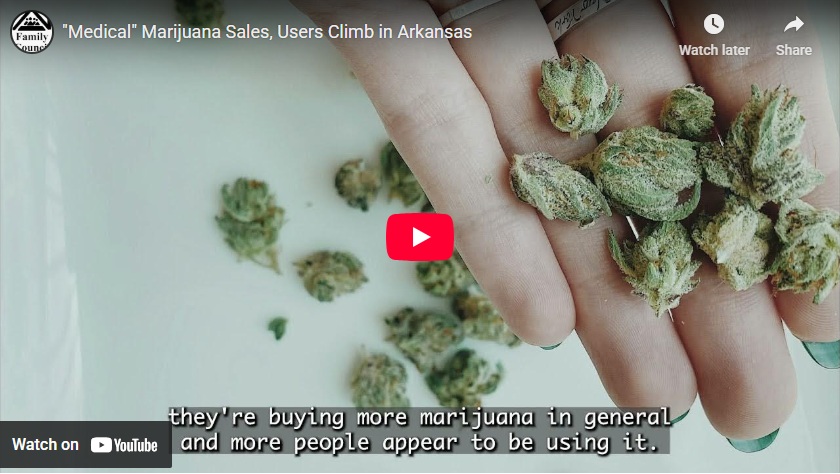
“Medical” marijuana sales in Arkansas continue to rise higher and higher, according to the Arkansas Democrat-Gazette. Sales reportedly reached a record $291.1 million in 2025.
Arkansans aren’t just spending more money on “medical” marijuana. They are buying more marijuana in general — and more people appear to be using it.
In 2024, Arkansans bought 75,598 pounds of marijuana. Last year, that number climbed to 79,223 pounds.
In 2024, marijuana dispensaries sold more than $2.1 million worth of “medical” marijuana on April 20 — marijuana’s unofficial holiday. At the time, that was nearly three times the daily average sales.
In 2022, the Arkansas Department of Health reported a little over 85,000 people certified to use “medical” marijuana. By last year, that number climbed to more than 108,000.
If “medical” marijuana is about treating illnesses and helping sick people, then why are people buying more and more marijuana?
Why has “medical” marijuana use increased so much in the past few years?
And why would “medical” marijuana sales spike on a day that’s purely dedicated to getting high?
Back in 2016, Family Council said that “medical” marijuana would legalize a form of recreational marijuana in Arkansas. The numbers seem to show that may be what’s happening.
New scientific research shows that marijuana is not medicine. A recent study found nearly one in three “medical” marijuana users developed cannabis use disorder — meaning they became dependent or addicted.
Researchers now say marijuana doubles a person’s risk of death from heart disease.
High-potency marijuana can trigger serious mental health problems. Even “casual” marijuana use is considered dangerous.
And contrary to popular belief, legalization in other states has actually emboldened drug cartels and increased the flow of illegal marijuana across the country.
All of this underscores what we have said for years: Marijuana may be many things, but “harmless” simply is not one of them.
Articles appearing on this website are written with the aid of Family Council’s researchers and writers.
How Assisted Suicide Turns Healthcare Professionals into Killers
Late last year, New York Governor Kathy Hochul announced a deal to legalize assisted suicide for terminally ill patients.
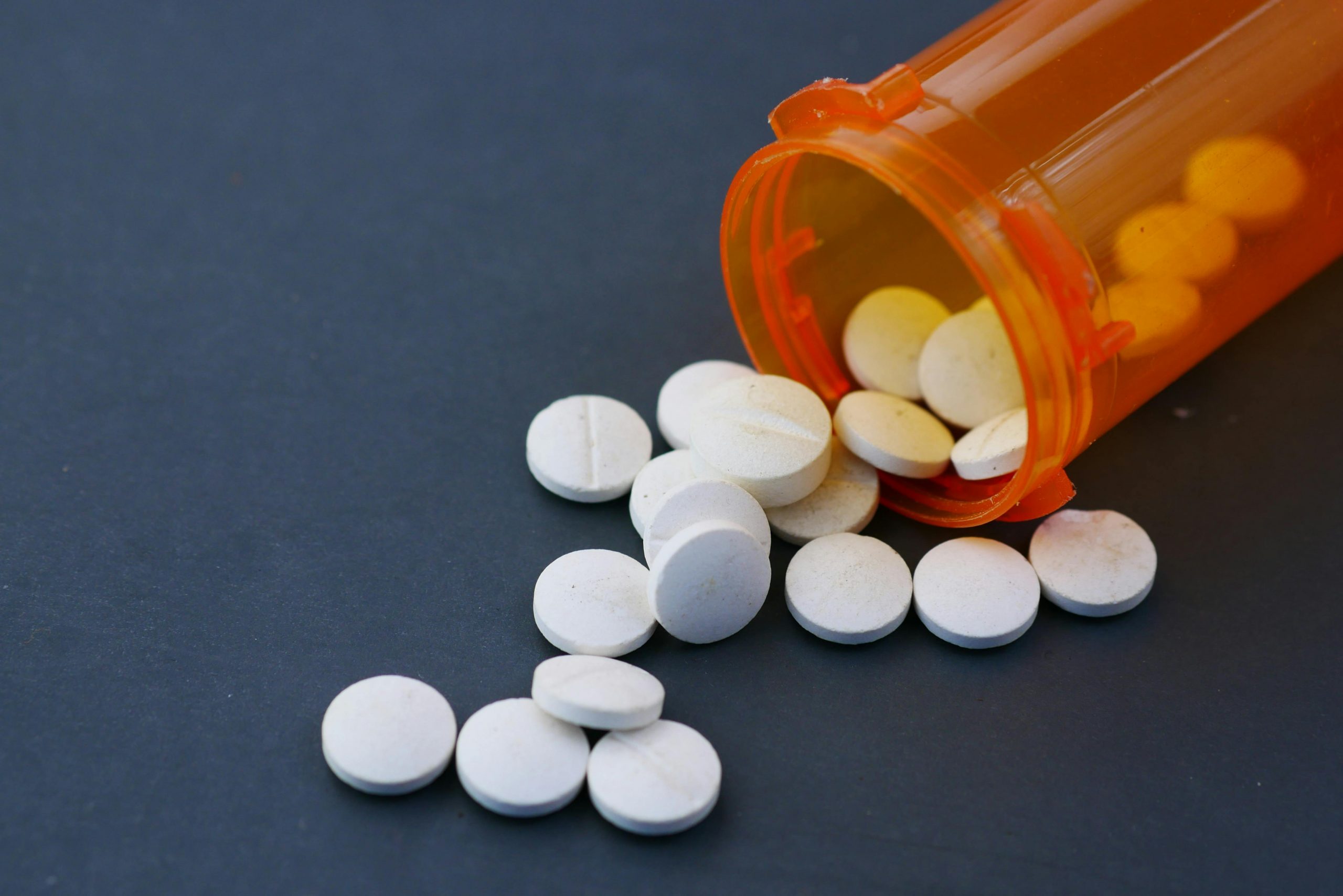
The so-called “Medical Aid in Dying Act” is supposed to make it possible for patients expected to die within six months to request a prescription for lethal drugs.
Illinois Governor J.B. Pritzker signed a similar assisted suicide law in December as well.
Assisted suicide fundamentally changes the doctor-patient relationship from healing to killing.
The Hippocratic Oath promises to “first, do no harm.” Prescribing lethal drugs violates that sacred trust. Doctors should heal — not kill.
Under New York’s law, medical professionals will help people end their lives or refer refer them to doctors who will. This violates the conscience rights of healthcare workers who entered medicine to save lives, not end them.
Studies show assisted suicide corrupts medical judgment. Doctors may spend less time exploring treatment options and pain management when death becomes a “medical option.”
In some countries, assisted suicide and euthanasia are driving palliative care specialists to quit. That hurts everyone.
Being pro-life means respecting innocent human life from conception until natural death. We do not eliminate suffering by eliminating people who are suffering. There is nothing “compassionate” about that.
Articles appearing on this website are written with the aid of Family Council’s researchers and writers.