

CDC Data Shows Fertility Rate in America at an All Time Low
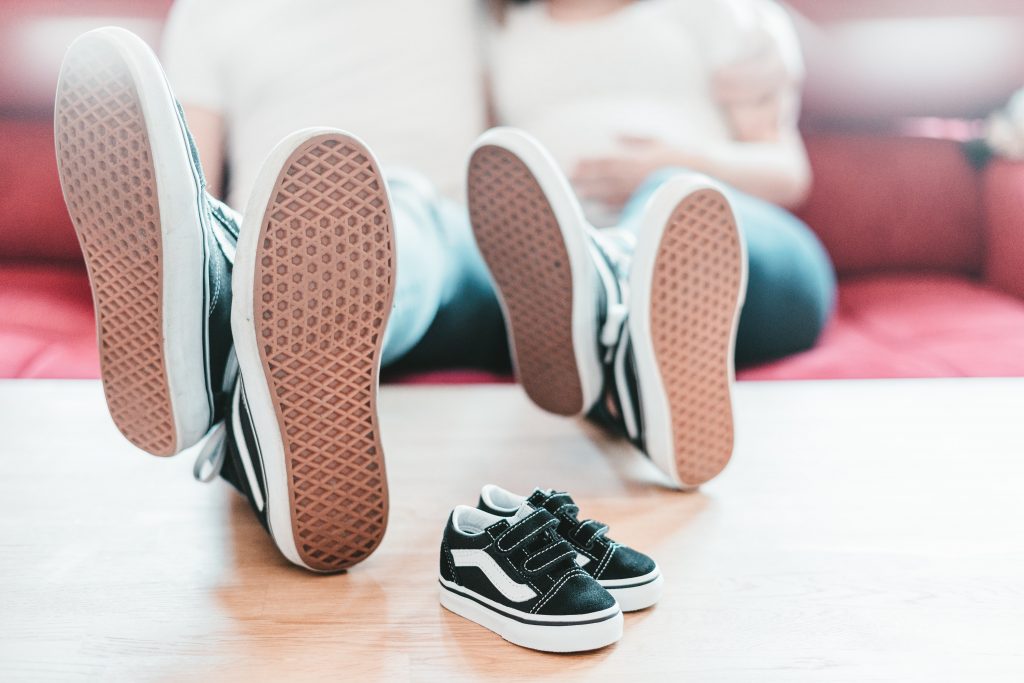
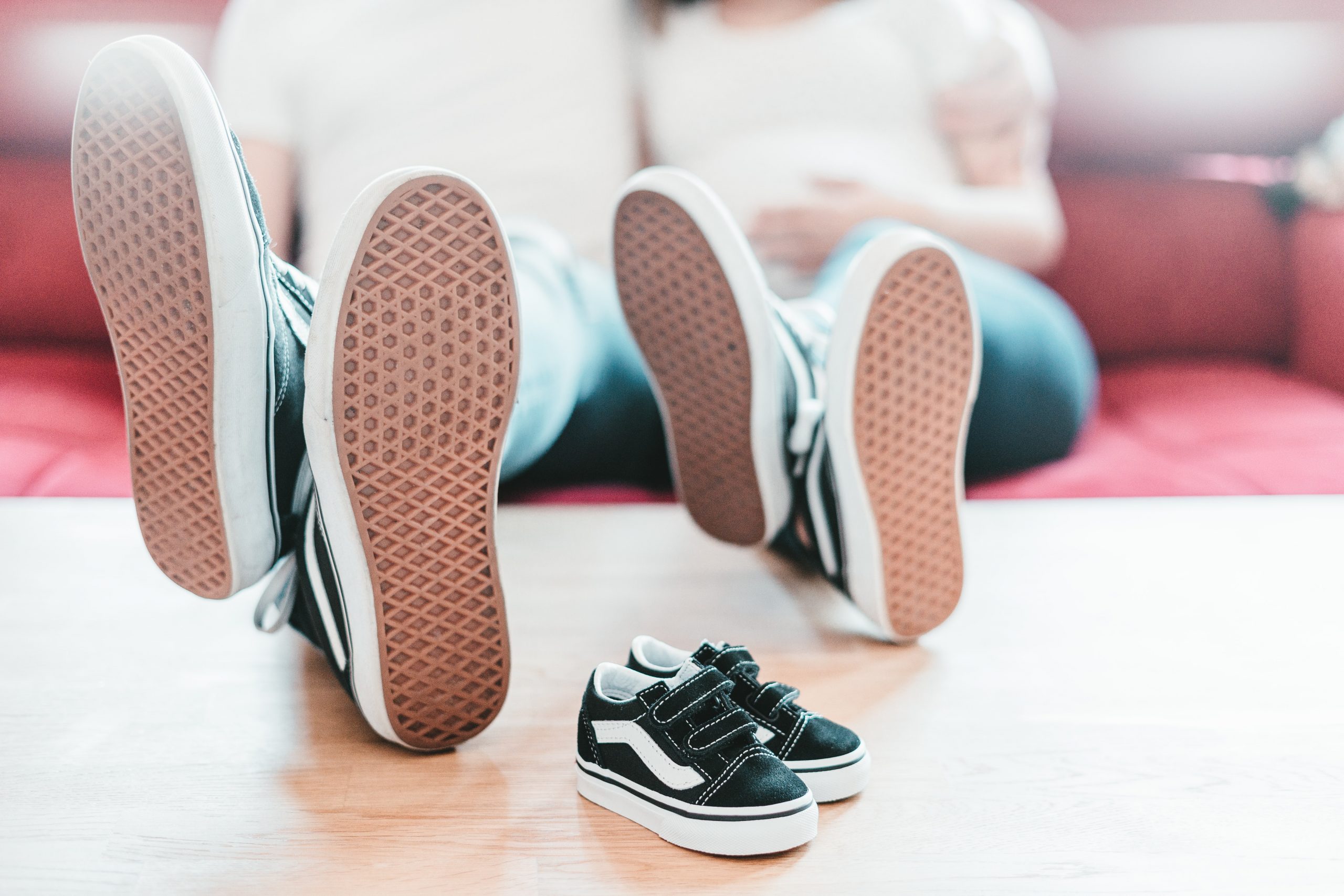
Public health data released last week shows the fertility rate in the U.S. dropped to an all-time low last year.
Over the past 20 years, the number of children born each year in the U.S. has dropped significantly, and the total fertility rate in the U.S. is well below the replacement rate — meaning America’s population is declining.
The CDC’s latest statistical data shows births in the U.S. declined by 1% from 2024 to 2025 — reaching record laws. The Congressional Budget Office projects that by the year 2030 there will be more deaths than births in America. The CBO suggests bolstering the U.S. population through immigration, but even at that, it believes America will stop growing by the year 2056.
Back in 2024, Pew Research Center found nearly half of adults under 50 in America don’t plan to have children. That’s a sharp change from 2018, when 61% of adults under 50 said they planned to have children someday.
Last fall, Pew also released a survey showing that most Americans believe it would hurt the U.S. in the future if fewer people have kids. In other words, most Americans understand that the U.S.’s declining birthrate is going to be a problem in the future.
All of this underscores how our society seems to view children as, at best, an accessory, and, at worst, a burden.
Society doesn’t treat children like they are a blessing from the Lord. Instead, people have been told that children will somehow stop them from doing what they want.
The truth is, children are good for society. We’ve seen in other countries how low birth rates hurt the economy, contribute to labor shortages, and make it harder to care for the elderly.
In 2020, a Chinese Communist Party official admitted the country needed to do more to raise its birthrate in order to “meet labor demands.” The situation in China has only gotten worse since then.
But more than just being good for society, children are a blessing. Children are an incredible responsibility, but they’re also an incredible joy. As John Stonestreet once said, “Every person bears the image of God, so whenever families produce children, they mirror God to the world. Sure kids are sometimes irritating, but they’re often hilarious, and they always remind us that life isn’t about ourselves.”
That’s a message more Americans should take to heart.
Articles appearing on this website are written with the aid of Family Council’s researchers and writers.


Marijuana May Trigger False Memories: Study

A recent study shows marijuana may actually trigger false memories in users.
Nationwide, many states have legalized marijuana, and in Arkansas “medical” marijuana use has skyrocketed since the COVID-19 pandemic. But a growing body of scientific evidence shows marijuana is harmful.
Researchers at Washington State University published a study in the Journal of Psychopharmacology linking marijuana use to poor memory and recall. The study found “cannabis increased susceptibility to false memories and detrimentally impacted verbal memory.”
This is not the first study to find that marijuana hurts users’ working memory and causes cognitive problems.
High-potency marijuana can trigger serious mental health problems.
A troubling study published in JAMA Psychiatry found that cannabis use among people with a history of psychosis “sharply increased” in states where recreational marijuana was legalized. The increase in prior 30-day use was three times higher than in the general population.
Another study from Massachusetts General Hospital showed teen psychiatric emergencies spiked after marijuana commercialization began in the state. Teen marijuana use jumped from 5% to 17.3% in psychiatric emergency cases, while cannabis-related disorders among teens increased from 3.2% to 12.1%.
Heavy marijuana use has also been linked to reduced brain activity.
All of this simply underscores what we have said for years: Marijuana may be many things, but “harmless” simply is not one of them.
Articles appearing on this website are written with the aid of Family Council’s researchers and writers.