

Are Your Child’s Vaccines Made With Aborted Fetal Remains?

Earlier this week we wrote about medical treatments that use stem cells derived from aborted fetal remains. Today we want to focus on vaccines that utilize similar methods.

In order to produce a vaccine, scientists must first propagate large quantities of the virus against which the vaccine will be used.

One way to propagate the virus is to allow it to spread throughout a tissue culture in a lab. While any number of types of tissue or cells can be used—including animal cells or yeast cultures—for many viruses, sometimes researchers choose to use cells derived from human beings—specifically aborted fetal remains.

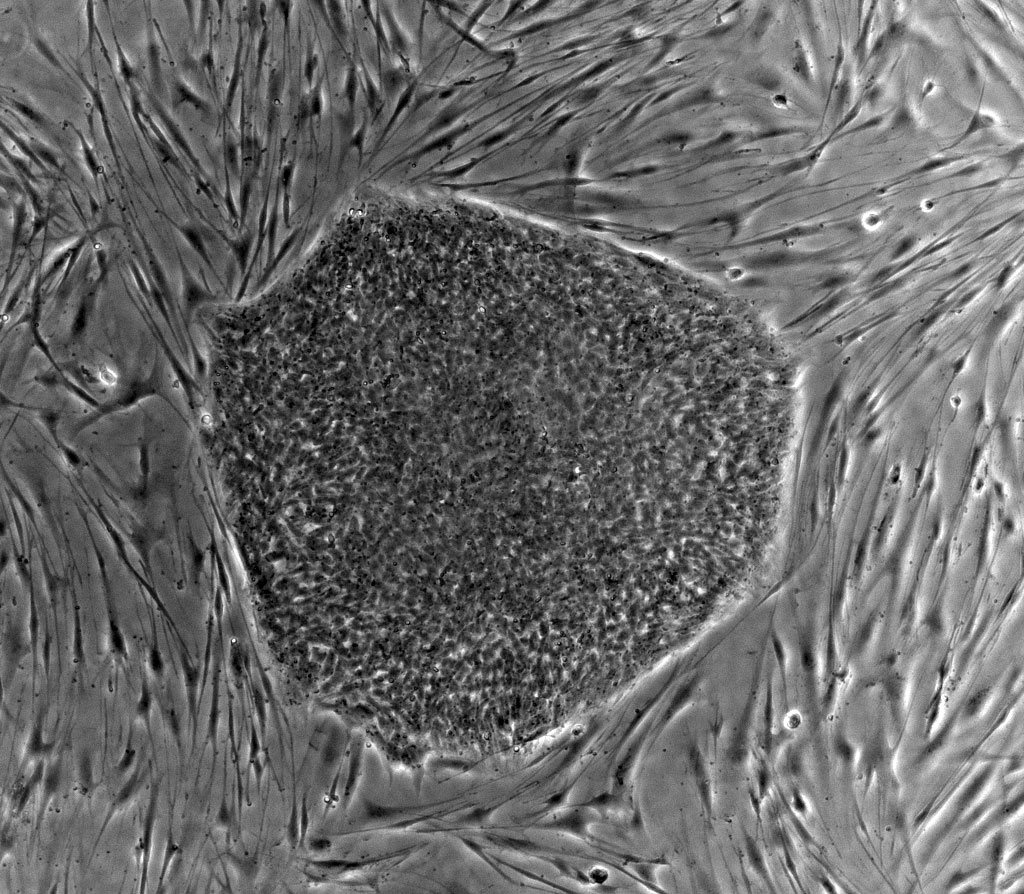
From the 1960s to the 1980s cells from various aborted human fetuses were obtained by scientists for the purpose of medical research. Researchers kept the cells alive to be multiplied under laboratory conditions. As the cell cultures multiplied, they were made available to other scientists for research and development.

In the U.S., vaccines for measles and rubella; chickenpox; and shingles are all manufactured using cells derived from aborted fetal remains. Other vaccines may be manufactured using cells derived from aborted fetal remains, depending on the methods used by the vaccine’s producers.

A Brief History Lesson with PepsiCo

In 2011 and 2012 PepsiCo was at the center of a controversy over the use of aborted human remains in testing Pepsi products. The allegations were that the company with which PepsiCo contracted for research and development tested flavor enhancers using cells known as HEK-293.

“HEK-293” stands for “Human Embryonic Kidney 293.” It is a cell line obtained from the kidneys of a baby aborted in 1973.
(more…)

Aborted Fetal Remains Used to Treat Stroke Victims

USA Today released an article this week on stem cell therapies credited with helping two retired athletes recover from debilitating strokes.

According to the article, former NFL quarterback John Brodie and former NHL player Gordie Howe each sought treatment at clinics outside the U.S. The treatments they received involved the use of stem cells, and by all accounts, both men have recovered following the treatments.

Many have referred to the stem cells used in these stroke treatment as “adult stem cells.” There is a catch, however: Some of the “adult” stem cells actually were derived from aborted fetal remains.

Embryonic stem cell research is highly controversial—and rightly so. Embryonic stem cells—also known as pluripotent stem cells—can form into virtually any cell in the human body.

Theoretically, embryonic stem cells can be used to regrow cells or tissue missing in a person’s body. Some believe this could be used to treat or reverse permanent injuries, paralysis, and similar conditions, just to name a few. However, embryonic stem cell research requires doctors or scientists to create—and then kill—human embryos in order to harvest the embryos’ stem cells.

This amounts to murder of human beings—albeit very tiny human beings—in the name of science and medicine.

(more…)

Study Finds Vegetative Patient “Not Just Aware, but Paying Attention”

A recent study published in the journal Neuroimage: Clinical has found some patients in a persistent vegetative state (PVS) are aware of the world around them — and some are “not just aware, but paying attention.”

Scientists at the Medical Research Council Cognition and Brain Sciences Unit and the University of Cambridge published their research last month. In the study, researchers examined 21 PVS patients, asking the patients to listen and mentally respond to a series of words. Scientists used electroencephalography to measure electrical activity in the brain, and compared brain activity in the patients with brain activity in healthy volunteers who were asked the same questions.

Researchers at Cambridge write,

(more…)