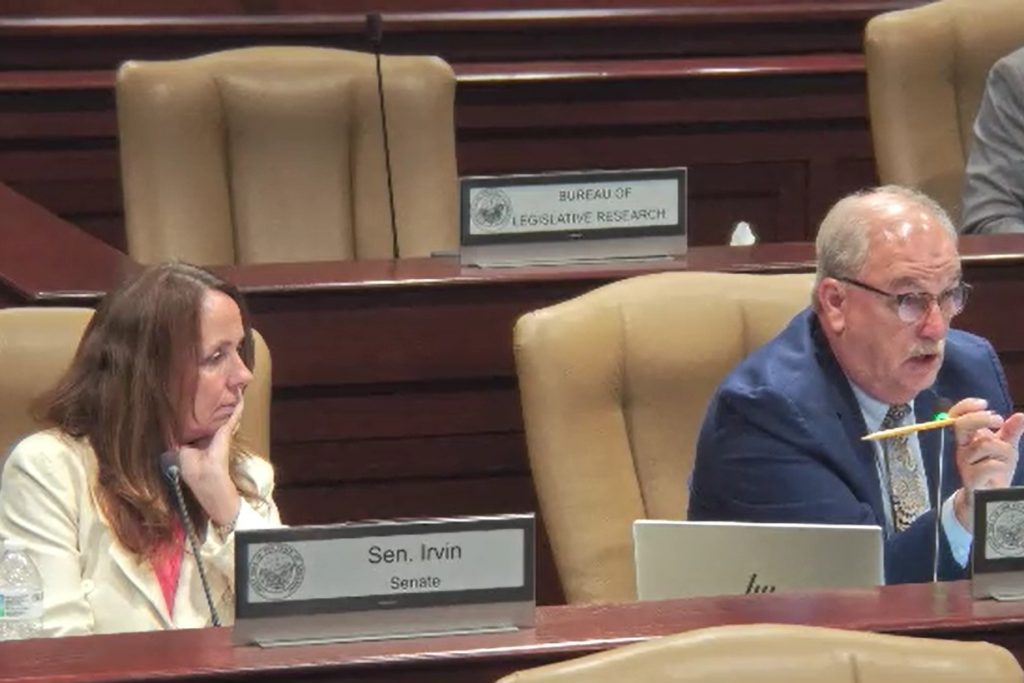
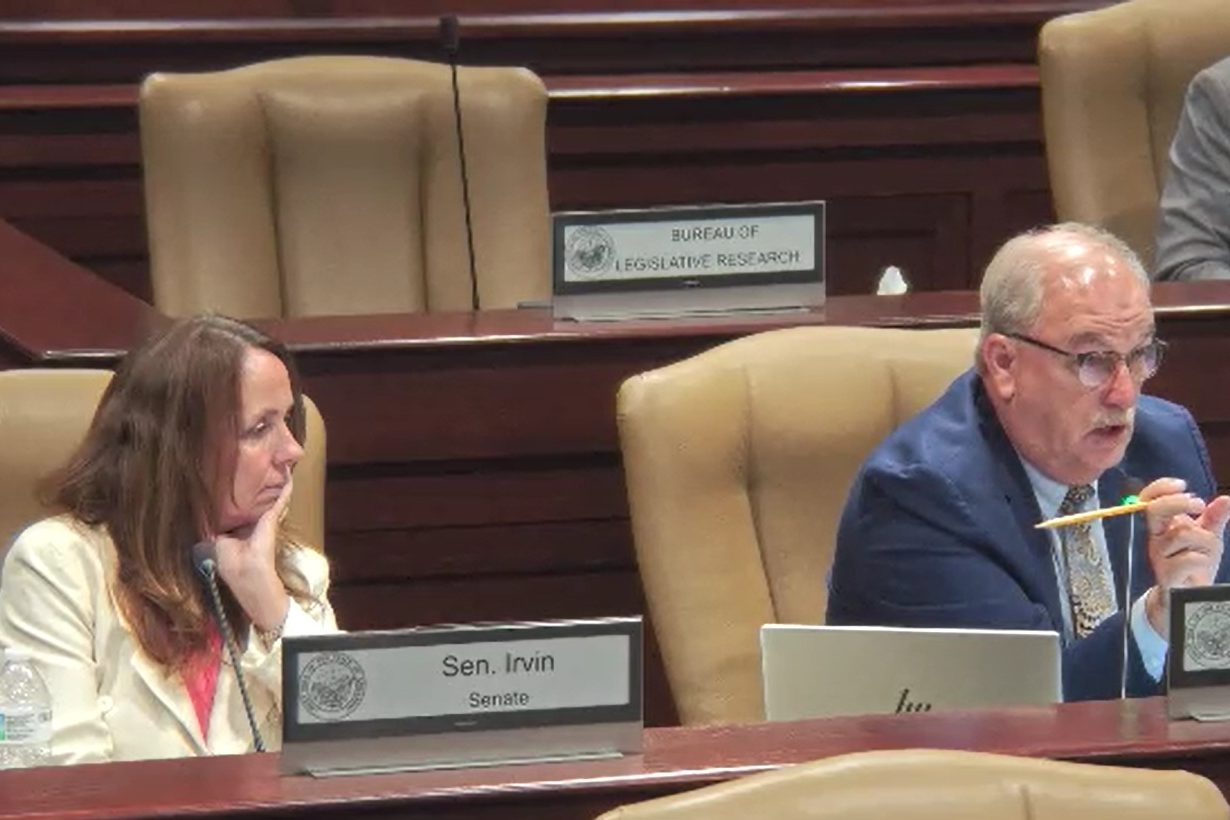
Lawmakers on the Administrative Rules Subcommittee will hold a hearing to discuss new Educational Freedom Account rules in Little Rock this Monday, June 15.
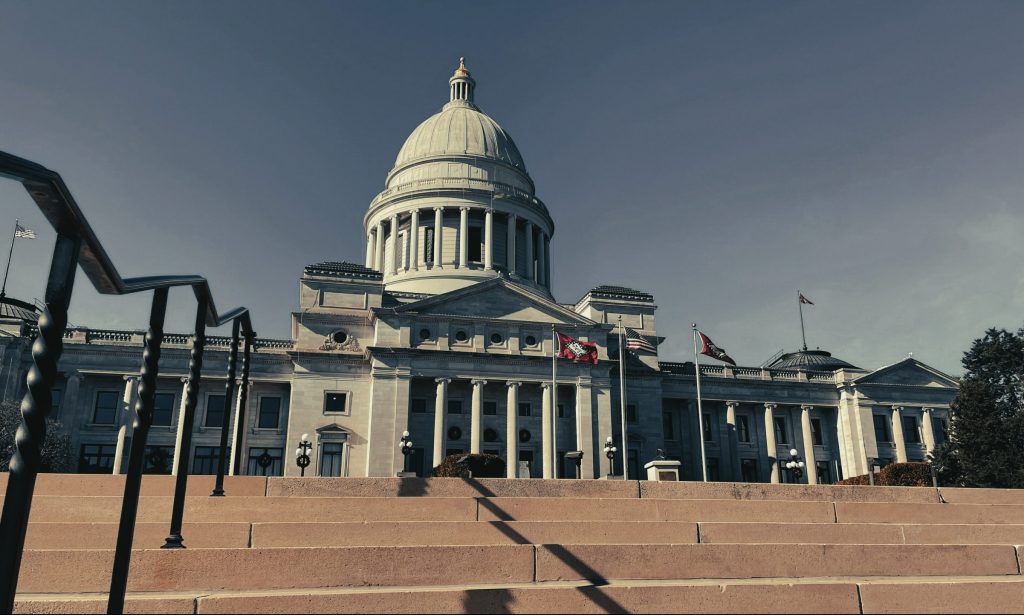
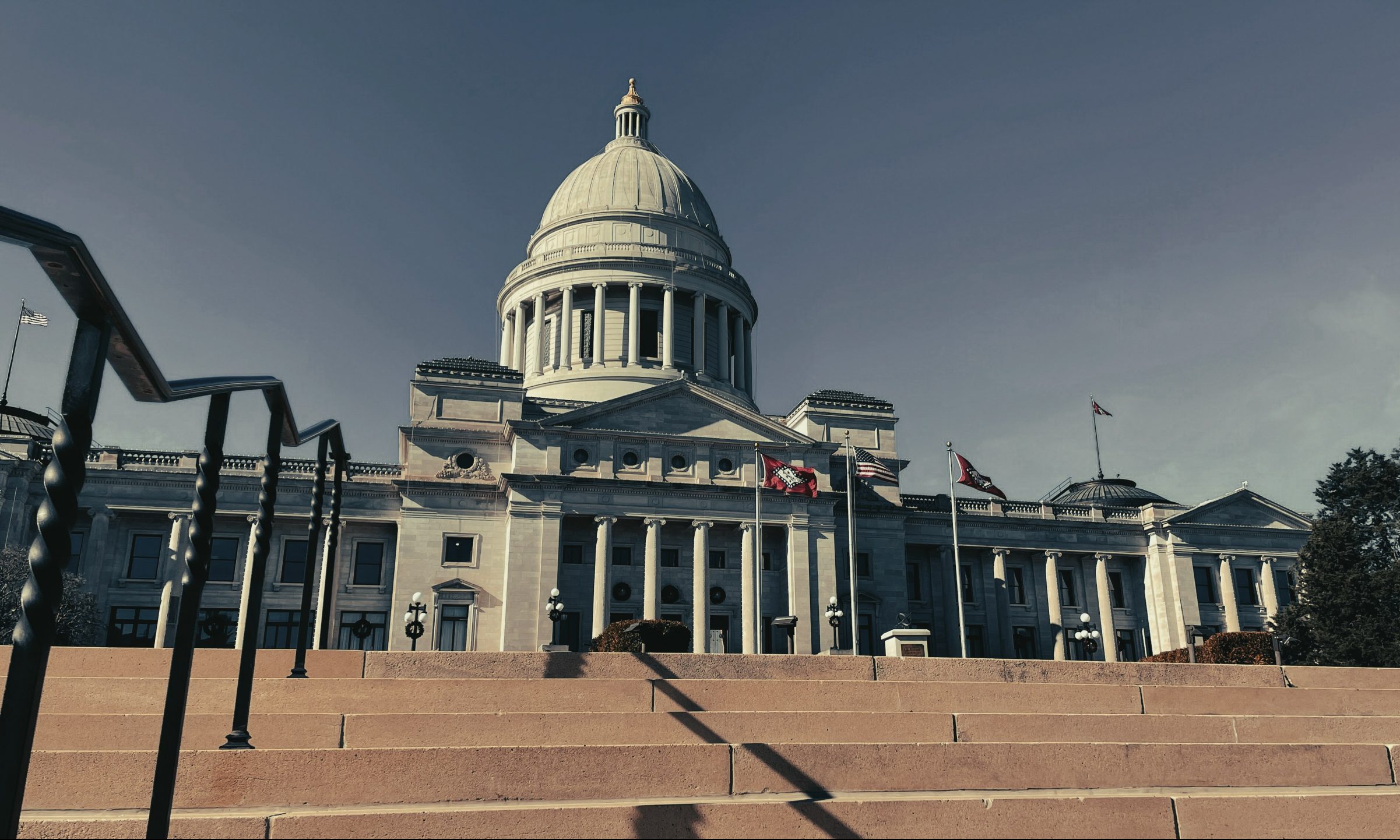
The meeting will take place at 1:30 p.m. in Room A of the Multi-Agency Complex (Big MAC) next door to the Capitol Building at 1 Capitol Mall, Little Rock, AR 72201.
The meeting will be open to the public, and homeschoolers may have an opportunity to testify.
Since late last year, homeschoolers have expressed concerns about the new rules again and again to the Department of Education and other policymakers.
Below are a few examples of the concerns that homeschoolers, our organization, and others have raised about the rules.
The New EFA Rules Carry Unintended Consequences for Homeschoolers
The new EFA rules carry a number of unintended consequences that could affect homeschoolers in the EFA program.
For example, the rules create a bureaucratic preapproval process that could unintentionally force families to wait too long for approval or reimbursement of educational supplies and equipment necessary for courses. Homeschoolers tell us approval for EFA expenses is already taking weeks or months. The process created under these rules could take even longer.
The rules also prevent homeschoolers from spending any EFA money on “sports that restrict or limit participation based on tryouts or ability.” That would unintentionally exclude homeschoolers from spending EFA money on many typical junior high and high school athletic programs. State law already caps EFA spending in these areas, but the rules contain restrictions that go beyond state law and could have unintended consequences for many families.
The rules also contain language that could permanently remove families from the program for honest mistakes with their EFAs. Instead of giving families an appeal process or a way to correct honest mistakes, subsection (C) on page 35 of the rules would simply make families ineligible for the EFA program.
The Department of Education could fix these unintended consequences by clarifying the language in the rules and by ensuring that the rules do not burden families in the EFA program with more bureaucracy.
The Department of Education Acknowledged that the EFA Rules are Unfair to Homeschoolers When It Took Public Comments in April
The Department of Education has received hundreds of comments regarding the new rules, and many of those comments have expressed concerns that the new rules would go beyond state law and hurt homeschoolers participating in the EFA program.
But in its responses last April, the Department of Education wrote: “The division respectfully rejects the premise that the goal of the EFA program in the homeschool context is or should be to provide equity between public or private schools and homeschooling.”
In other words, the Department of Education seems to understand that the rules are unfair, but it does not believe that the EFA rules have to treat homeschoolers fairly. That’s troubling.
The Rules Won’t Save the State Money on the EFA Program
The State’s transparency website reports that since July 1, 2025, Arkansas has spent over $251 million on the EFA program. We believe that money is a good investment in students and families across Arkansas, but some people may feel the State cannot sustain the program without cutting costs.
However, restricting homeschoolers in the EFA program won’t save the State of Arkansas money. Here are three reasons why:
1. Most EFA money goes to private school students and private school tuition.
Since the program began in 2023, most EFA money has paid for private school tuition.
State reports show that last year, four out of every five EFA dollars went toward private school tuition and fees.
Homeschoolers spend a fraction of the EFA money that private school students do — which means the State would save very little money by restricting homeschoolers.
2. Of the EFA money that homeschoolers spend, 90% of it is on core educational expenses.
Some people believe the State could save money by preventing homeschoolers from spending EFA money on athletics and extracurricular programs, but state law already caps spending in these areas.
Last year, homeschoolers spent only 8% of their EFA money on “enrichment” activities like PE and athletics, music and art, or other extracurricular activities. The rest of the money paid for homeschoolers’ educational supplies, curriculum, class fees, tutoring, and other educational expenses authorized under the LEARNS Act.
Preventing homeschoolers from spending EFA money on certain athletic programs is unfair. It fails to track with state law, and it would save the State very little money.
3. The new preapproval process in the EFA rules adds bureaucratic barriers for families spending Educational Freedom Account money on legitimate expenses, but those barriers won’t help the State save money.
State law and state rules already outline approval and reimbursement processes for EFA spending. The new rules add bureaucracy that will make those processes slower and more frustrating for homeschool families.
Homeschool students often must itemize their EFA transactions for approval because one family may use multiple curriculum providers, tutors, or suppliers. Each of those transactions may be handled separately.
EFA funds used for private school supplies and equipment do not have to be preapproved by the Department of Education.
Many homeschoolers tell us the current approval process for their EFA spending can take weeks or even months. The new preapproval requirements in the EFA rules would simply slow that process down even more.
There is little reason to believe that making the process slower or more cumbersome would save the State money.
If the State of Arkansas is concerned about EFA spending, there may be ways to adjust the EFA program and cut costs. However, these new rules fail to do that.
Conclusion
We are encouraging homeschoolers to contact the lawmakers on the Administrative Rules Subcommittee to share their concerns about the unintended consequences of the EFA rules.
Below is contact information for the committee members:
Senator Tyler Dees
tyler.dees@senate.ar.gov
479-549-5057
Representative Matthew Shepherd
matthew.shepherd@arkansashouse.org
870-862-2087
Senator Kim Hammer
kim.hammer@senate.ar.gov
501-840-3841
Representative Lane Jean
lane.jean@arkansashouse.org
870-904-1856
Senator Breanne Davis
breanne.davis@senate.ar.gov
479-970-0081
Senator Jonathan Dismang
jonathan.dismang@senate.ar.gov
501-766-8220
Senator Bart Hester
bart.hester@senate.ar.gov
479-531-4176
Senator Missy Irvin
missy.irvin@senate.ar.gov
870-740-9694
Senator Blake Johnson
blake.johnson@senate.ar.gov
870-323-1766
Senator Terry Rice
terry.rice@senate.ar.gov
479-650-9712
Representative Mary Bentley
mary.bentley@arkansashouse.org
501-889-3556
Representative Jon Eubanks
jon.eubanks@arkansashouse.org
479-438-0533
Representative Brian Evans
brian.evans@arkansashouse.org
501-941-4002
Representative Steve Hollowell
steve.hollowell@arkansashouse.org
870-270-3831
Rep. Stetson Painter
stetson.painter@arkansashouse.org
501-733-3203
Representative DeAnn Vaught
deann.vaught@arkansashouse.org
870-584-8807
Senator Justin Boyd
justin.boyd@senate.ar.gov
479-221-5864
Senator Ben Gilmore
ben.gilmore@senate.ar.gov
501-467-5952
Representative Les Eaves
les.eaves@arkansashouse.org
501-827-1344
Representative Jack Ladyman
jack.ladyman@arkansashouse.org
870-340-7499
Articles appearing on this website are written with the aid of Family Council’s researchers and writers.
READ MORE