Arkansas Lottery Still Using Long Odds, Big Prizes on Expensive Scratch-Off Tickets to Entice Gamblers
The Arkansas Lottery still relies heavily on expensive scratch-off tickets offering big prizes on long odds to drive revenue.

Financial reports show that since the State’s fiscal year began on July 1, nearly 78% of all lottery ticket sales in Arkansas have come from instant tickets — more than $100 million. But scratch-off lottery tickets also have a long history of being  associated with problem gambling and gambling addiction.

The Arkansas Lottery also sells expensive scratch-off tickets that controversially entice people to spend higher amounts of money on long odds for large prizes.

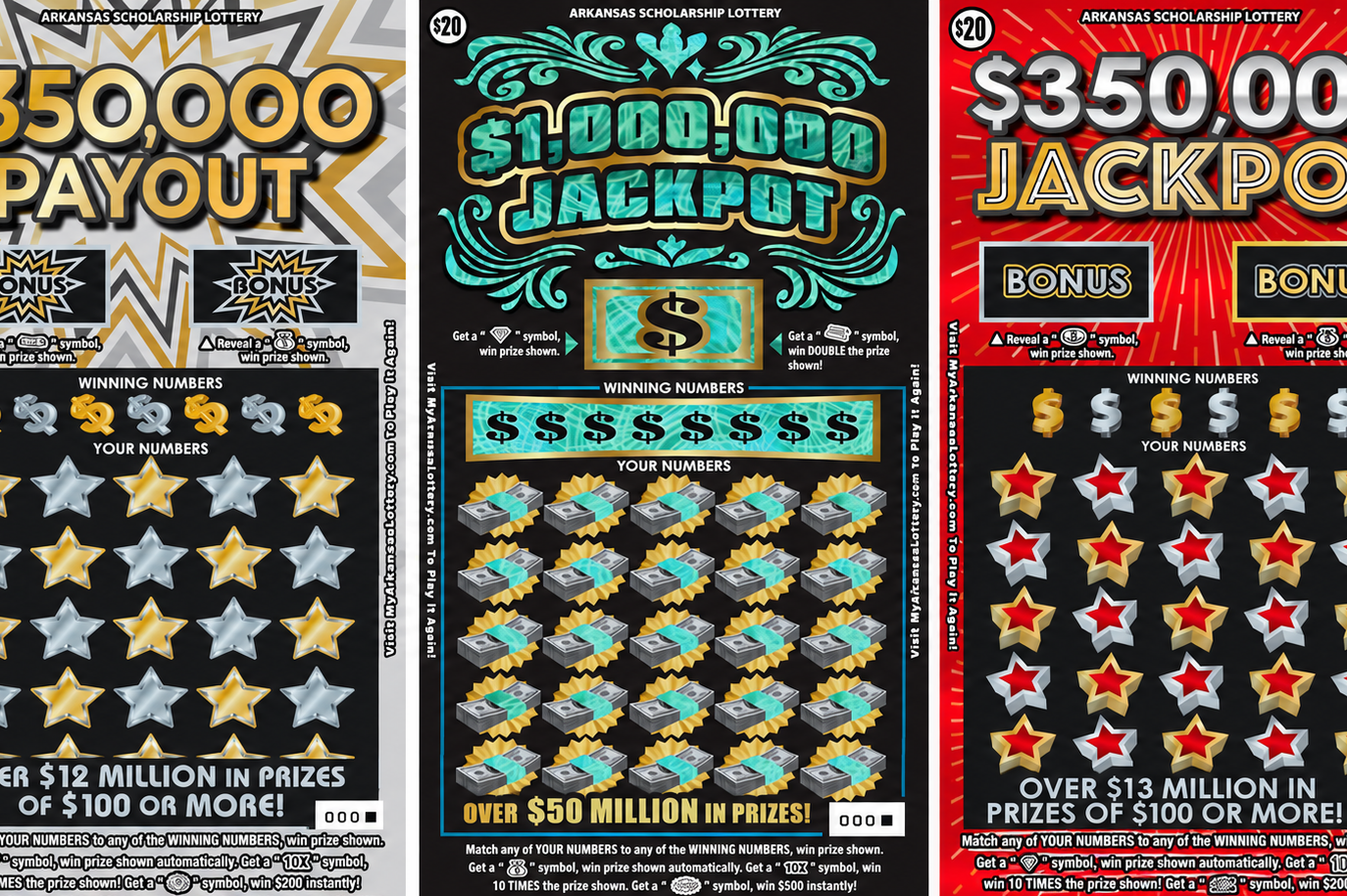
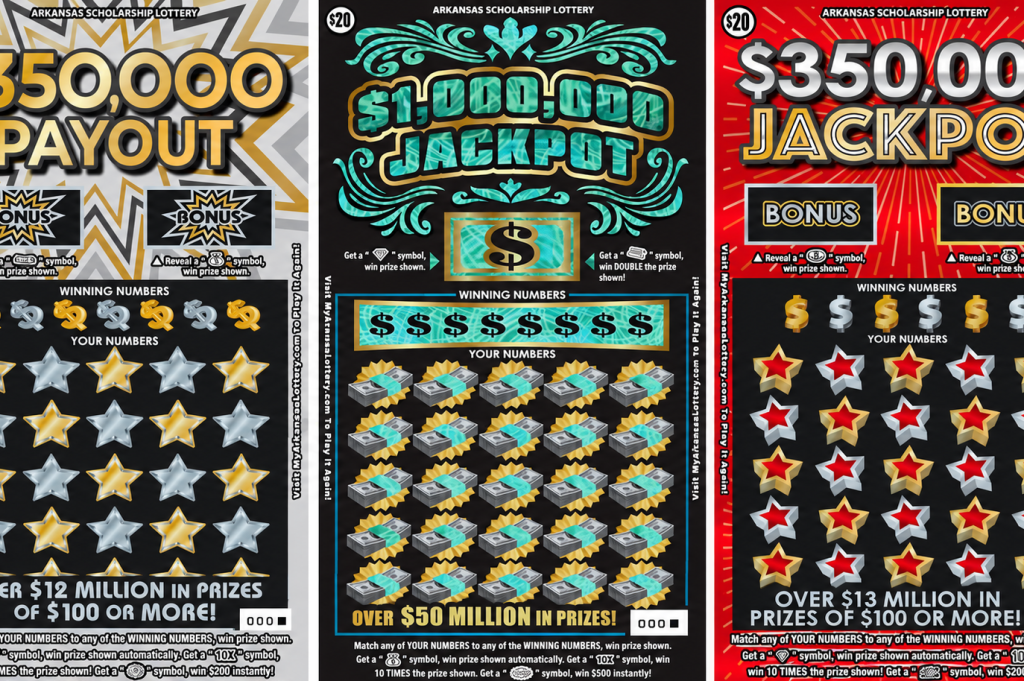
For example, the Arkansas Lottery currently advertises half a dozen scratch-off tickets that sell for $20 each. The top prizes on these tickets run anywhere from $50,000 to $1 million. However, at best, the odds of winning a break-even prize on one of them are approximately one in three. The odds of winning a jackpot prize on some are as high as one in a million or more.

Scratch-off tickets like these prey on vulnerable people — including people who gamble out of desperation or suffer from gambling disorders. State-run lotteries like Arkansas’ have not delivered on their promises of improving education, and they do not provide harmless entertainment. It’s predatory gambling with serious consequences.

Articles appearing on this website are written with the aid of Family Council’s researchers and writers.

Arkansas Lottery Launches New $50,000 Scratch-Off Ticket

The Arkansas Lottery continues its troubling pattern of rolling out expensive scratch-off tickets designed to entice gamblers with big prizes and long odds.

This month the state-run lottery launched a new $20 scratch-off ticket called “$50,000 Stacked.” The game offers a top prize of $50,000, but like most lottery tickets, the odds are stacked against players.

The new ticket has overall odds of winning of just 1 in 3.03, meaning players will lose their money roughly two-thirds of the time. For the top $50,000 prize, only 80 winning tickets exist out of the entire game run.

The lottery’s own data shows that as of last week, $23.4 million in prizes remain available across all prize tiers for this single game. With a prize pool that massive, the lottery must expect Arkansans to spend a lot of money on this ticket.

We have written before about how expensive scratch-off tickets prey on the truly desperate. They entice Arkansans to spend a lot of money on a single lottery ticket in hopes of a big payout, but more often than not, people lose.

In 2023, ABC News highlighted the harm that scratch-off tickets can cause, writing:

A 2022 nationwide investigation of state lotteries by the Howard Center For Investigative Journalism at the University of Maryland found stores that sell tickets are disproportionately clustered in lower-income communities in nearly every state where the game is played. . . .

Les Bernal, the national director for the nonprofit group Stop Predatory Gambling, told ABC News that while states use the revenue from lottery sales to fund services like education, they are doing so off the backs of low-income residents.

The Arkansas Lottery’s own financial reports show it relies heavily on instant tickets. Rather than focusing on education funding, the lottery continues to rely on flashy marketing and expensive scratch-offs to keep gamblers engaged.

Arkansas families deserve better than a state-run gambling operation that targets the desperate and vulnerable.

Family Council has supported legislation that would restructure the Arkansas Lottery’s budget to increase spending on education.

The state-run lottery could provide millions of dollars more in scholarship funding if it would simply reduce its prize budget, increase its scholarship budget, and quit relying so heavily on scratch-off tickets.

Unfortunately, there simply doesn’t seem to be much impetus to do that.

Articles appearing on this website are written with the aid of Family Council’s researchers and writers.