
Marijuana Legalization Tied to Increased Alcohol Consumption

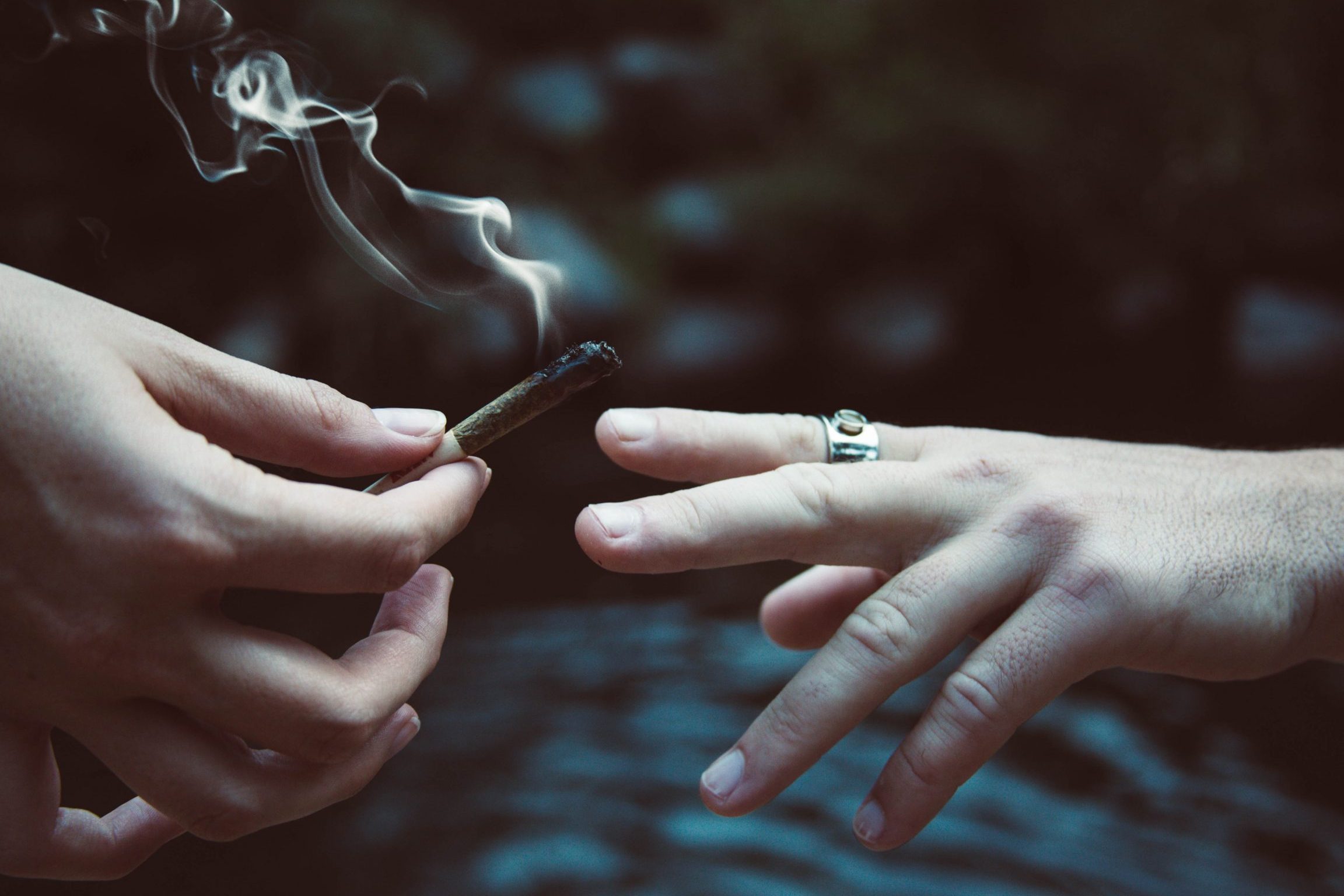
A recent study published in peer-reviewed journal Jama Health Forum found that marijuana legalization may contribute to increased alcohol use.
Research conducted from 2010 – 2019 examined how recreational marijuana laws affected alcohol use by 4.2 million adults in the U.S.
Overall, the study found “recreational cannabis laws were associated with a 0.9 percentage point increase in any alcohol use among the population.” Increased alcohol use was most pronounced among adults ages 18-24, who were 3.7% more likely to report alcohol use.
These findings are significant because many marijuana supporters claim that marijuana is no more harmful than alcohol.
Even if that were true, this study indicates that legalizing marijuana may lead to increased alcohol use.
In other words, legalization does not encourage people to use marijuana instead of alcohol. If states legalize marijuana, people may simply use more marijuana and more alcohol, both.
It’s important to point out that increased marijuana use raises safety concerns of its own.
The National Highway Traffic Safety Administration and the CDC report that after alcohol, marijuana is the substance most often associated with impaired driving.
The AAA Foundation for Traffic Safety estimates that the number of drivers involved in fatal crashes in Washington doubled after the state legalized marijuana.
A 2020 study published in JAMA Network Open found that more than 1 in 8 teen drivers reported recently driving after using marijuana, and teens were more than twice as likely to drive after using marijuana than they were to drink and drive.
In Colorado traffic fatalities where the driver tested positive for marijuana have increased 138% since the state legalized marijuana in 2013.
All of this underscores what we have said for years: Marijuana may be many things, but “harmless” simply is not one of them.
Articles appearing on this website are written with the aid of Family Council’s researchers and writers.