Study Shows Mental Health Problems Surge Among Adolescents Subjected to Sex-Reassignment
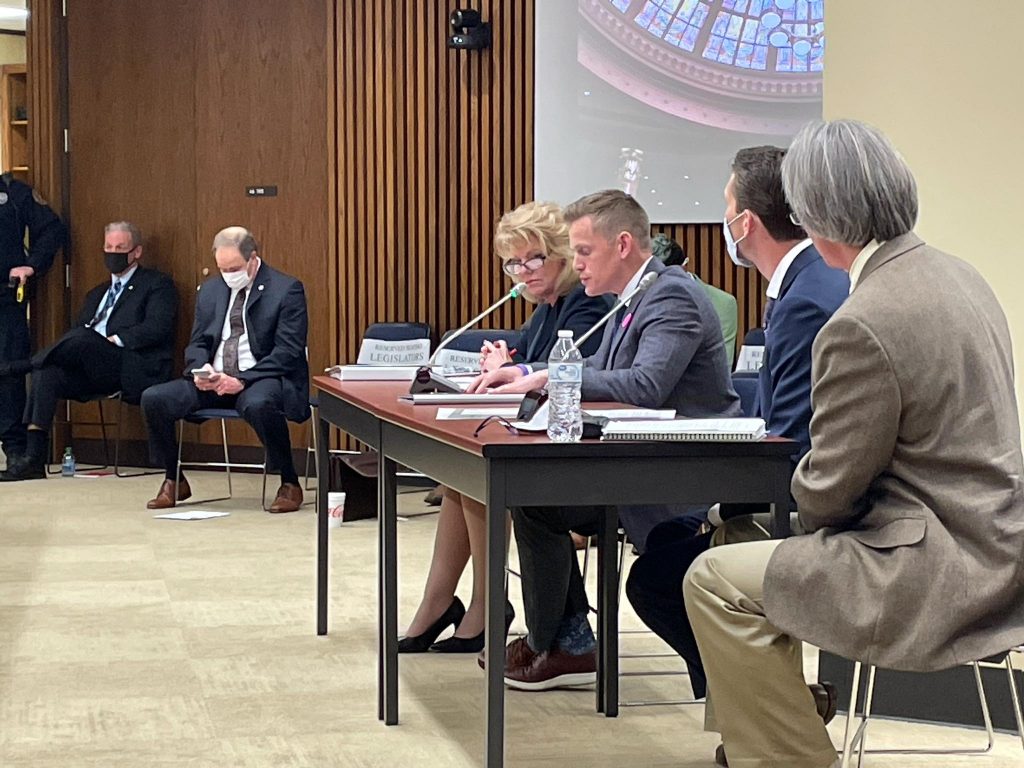
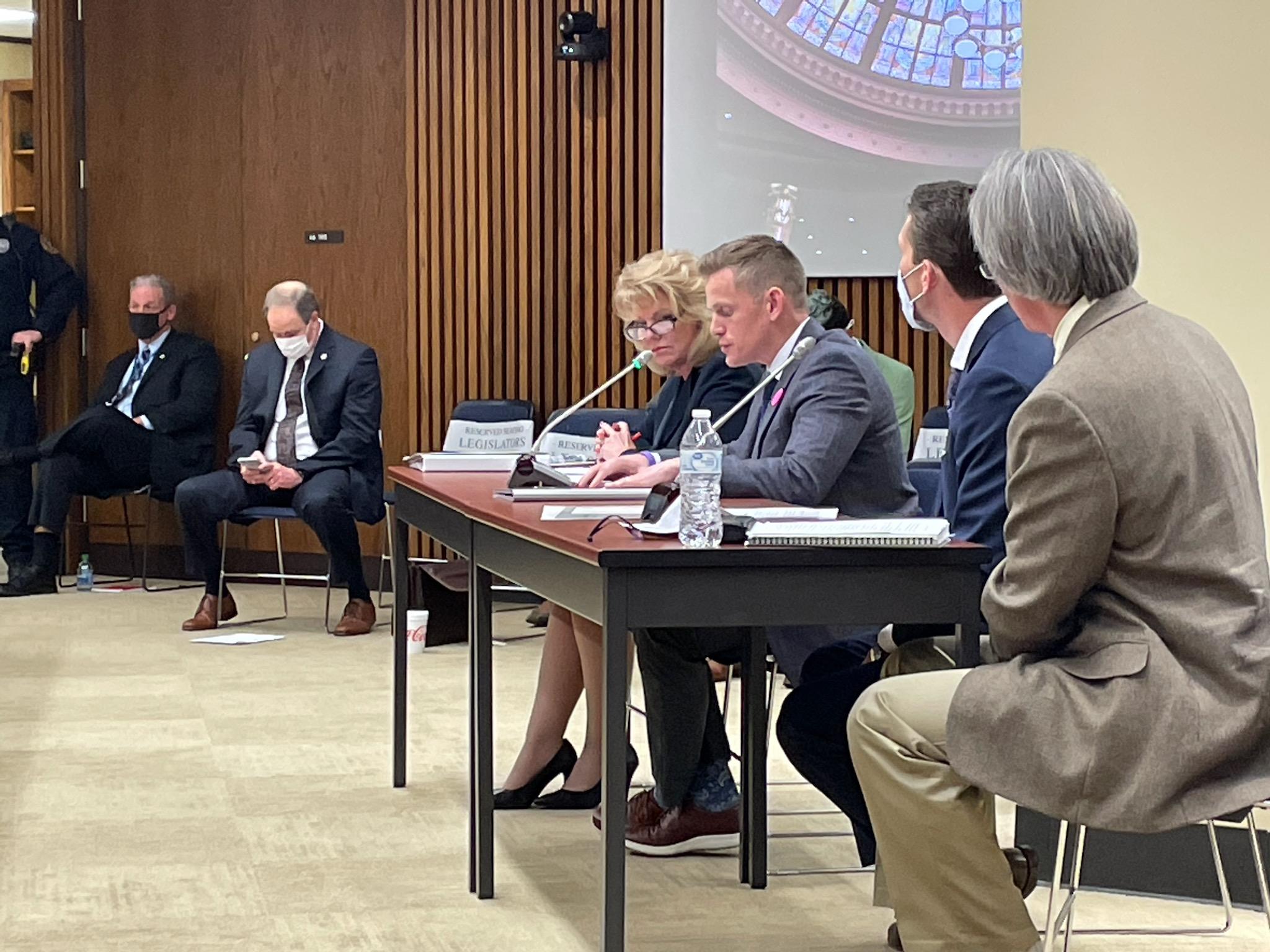
Above: Supporters of Arkansas’ 2021 SAFE Act protecting children from sex-reassignment testify in the House Public Health Committee. The SAFE Act passed with strong support in the Arkansas Legislature and was upheld in federal court last year.

A recent medical study out of Finland shows adolescents subjected to sex-reassignment face much higher risk of mental illness.

Over the past 20 years, the number of children who identify as transgender has skyrocketed — especially among biological girls.

A set of studies released some years ago — sometimes called “the Dutch studies” — claimed children with gender dysphoria responded well to puberty blockers and cross-sex hormones, and that sex-reassignment helped improve their mental health.

Because of the Dutch studies, doctors and clinics in Europe and the U.S. started giving puberty blockers and cross-sex hormones to children who disagreed with their biological sex.

But since then, public health experts and policymakers in the U.S.the U.K.SwedenFinland, and other nations have found that science simply does not support these “gender transitions” for kids.

A new study published in Acta Paediatrica shows the kind of sex-reassignment that pro-LGBT activists have promoted for years actually makes adolescents’ mental health problems much worse.

The study examined nearly 2,100 individuals from 1996 to 2019. Researchers found:

  • Adolescents who underwent sex-reassignment were more likely to need psychiatric treatment in the years afterward.
  • Adolescents referred for sex-reassignment faced higher risks of mental illness.
  • Mental illness appeared to be particularly high among adolescents referred for sex-reassignment during the “recent surge in referrals.”

Unfortunately, this study’s findings are not surprising. Sex-reassignment drugs and surgeries carry serious risks — including infertility, sexual dysfunction, worse bone density, and cardiovascular problems.

Whistleblowers have come forward testifying about how they were rushed through gender transitions as children without understanding the procedures’ risks, consequences, or alternatives.

Today we know pro-LGBT activists and medical organizations have been citing each other’s work in a circular pattern, manufacturing a fake consensus about performing sex-change surgeries on kids.

In 2021, Arkansas’ lawmakers passed the Save Adolescents from Experimentation (SAFE) Act. This good law generally prohibits doctors from performing sex-change procedures on children or giving them puberty blockers and cross-sex hormones.

A federal court upheld the SAFE Act last year — meaning it is protecting children in Arkansas at this very moment.

Arkansas was the first state in America to enact a law like the SAFE Act, but since 2021 lawmakers in more than half the country have passed similar legislation.

Medical research has shown time and again that Arkansas’ lawmakers were right to pass the SAFE Act. Arkansans can be proud that their state has done so much to protect children from these dangerous sex-change procedures.

Articles appearing on this website are written with the aid of Family Council’s researchers and writers.

These Two U.S. Supreme Court Cases Could Affect Arkansas Law

Between now and the end of June, the U.S. Supreme Court will issue decisions in two court cases that could affect whether states like Arkansas are free to preserve fairness in women’s athletic programs.

Over the past ten years, female swimmerspowerlifterscyclistssprintersvolleyball players, and many others have seen their sports radically changed by men who claim to be women. In some sports, it can even be dangerous.

That’s why many states have enacted good laws clarifying that biological males who identify as female cannot compete in women’s athletic programs. Unfortunately, some of those laws have been challenged in court.

In 2020, Idaho passed the Fairness in Women’s Sports Act preventing male student-athletes from competing against girls in women’s athletics at school. The following year, West Virginia passed the Save Women’s Sports Act, which is very similar to Idaho’s law. The ACLU challenged both laws, and both lawsuits have been appealed to the U.S. Supreme Court.

The case concerning Idaho’s law is Little v. Hecox. In West Virginia, the case is West Virginia v. B.P.J.

The U.S. Supreme Court heard oral arguments in both cases on January 13 of this year, and the Court could issue final decisions in the cases sometime between now and June 26.

The Supreme Court’s decision in these cases could affect laws protecting fairness in women’s sports nationwide — including Arkansas.

In 2021, Arkansas passed Act 461 by Sen. Missy Irvin (R — Mountain View) and Rep. Sonia Barker (R — Smackover) preventing male student-athletes from competing against girls in women’s athletics at school. Family Council was pleased to support Act 461 at the state legislature.

Act 461 has not been challenged in court — meaning the law is in full effect, protecting fairness in women’s sports in Arkansas.

However, the U.S. Supreme Court’s decisions in Little v. Hecox and West Virginia v. B.P.J. could affect Act 461 and laws like it across the country. That’s why Family Council joined dozens of state policy organizations and more than 200 state legislators in an amicus brief in the Idaho case last September. The amicus brief highlights the opportunities that women’s athletics offer to students, and it urges the Supreme Court to uphold the law and protect women’s sports.

Most Americans agree that athletes should compete according to their biological sex — not their gender identity. We believe the U.S. Supreme Court ultimately will uphold fairness in women’s sports in Idaho, West Virginia, and the rest of the country.

Articles appearing on this website are written with the aid of Family Council’s researchers and writers.

Is Transgender Ideology “In Retreat”?

For the past decade, pro-LGBT groups have promoted the idea that men can “identify” as women, and women can “identify” as men. To many people, it seemed like transgender ideology was generally accepted among corporate leaders, public officials, doctors, and educators. But as our friends at Washington Watch recently pointed out, evidence now shows that common sense may be returning and transgender ideology is in retreat in America.

Pollsters at Gallup have found most Americans now say it is “morally wrong” to change genders. Most believe that drivers’ licenses should list biological sex instead of gender identity. And most do not think men should compete against women in women’s sports.

The shift in public opinion could be happening because many Americans have witnessed firsthand how harmful transgender ideology can be.

Below are three examples of how transgender ideology can be harmful.

#1: Transgender ideology has promoted sex-change procedures to children and their families. That’s why Arkansas has adopted good laws protecting children from these procedures.

Pro-LGBT activists and medical organizations spent years citing each other’s work in a circular pattern to manufacture a fake consensus about performing sex-change procedures on kids.

But public health experts and policymakers in the U.S.the U.K.SwedenFinland, and other nations have found that science simply does not support giving puberty blockers and cross-sex hormones to kids.

These drugs and procedures carry serious risks — including infertility, sexual dysfunction, impaired bone density, and cardiovascular problems. But whistleblowers have testified about how they were rushed through gender transitions as children without understanding the procedures’ risks, consequences, or alternatives.

In 2021, lawmakers in Arkansas passed the Save Adolescents from Experimentation (SAFE) Act that generally prohibits doctors from performing sex-change surgeries on children or giving them puberty blockers and cross-sex hormones.

The SAFE Act was upheld in federal court last year and is protecting children in Arkansas right now.

Since 2021, more than half of the states across America have enacted laws similar to the SAFE Act. That’s good news.

#2: Transgender ideology also has undermined the physical privacy and safety of women and girls. That’s why Arkansas has adopted good laws protecting privacy.

In 2016, the Obama Administration issued federal “guidelines” directing every public school in America — including schools in Arkansas — to let biological males use girls’ locker rooms, showers, bathrooms, and similar facilities at school.

Over the years, we have seen efforts to house men with women in jails, let men stay in women’s shelters, and place boys and girls in the same hotel room on overnight school trips.

In 2023, Arkansas’ lawmakers passed Act 317 to protect privacy in public school locker rooms, showers, restrooms, changing areas, and similar facilities by requiring public schools to designate these facilities for “male” or “female” use.

In 2025, Arkansas passed Act 955 by Sen. Blake Johnson (R — Corning) and Rep. Mary Bentley (R — Perryville) expanding those protections to apply to government buildings, jails, and shelters for victims of domestic violence.

These are good laws protecting physical privacy and safety in Arkansas.

#3: When it comes to athletic programs, transgender ideology reverses 50 years of advancements for women and effectively erases women’s athletics. That’s why Arkansas has passed laws protecting fairness in women’s sports.

Female swimmerspowerlifterscyclistssprintersvolleyball players, and others have seen their sports radically changed by men who claim to be women. This hampers their ability to compete for athletic scholarships and hurts their professional opportunities as adults. In some sports, it can even be dangerous.

Concerned Women for America estimates that more than 1,900 male athletes who claim to be female have taken first place medals away from women and girls.

In 2021, Arkansas passed Act 461 by Sen. Missy Irvin (R — Mountain View) and Rep. Sonia Barker (R — Smackover) preventing male student athletes from competing against girls in women’s athletics at school. This good law protects fairness in women’s sports in Arkansas.

Right now the U.S. Supreme Court is considering laws from West Virginia and Idaho that are similar to Act 461. If the Court rules against these protections, it could affect states like Arkansas. That’s why Family Council joined dozens of state policy organizations and more than 200 state legislators in a legal brief in the case last September.

We are confident the U.S. Supreme Court will ultimately uphold these laws and rule in favor of fairness in women’s sports.

Conclusion

Culturally, we are no longer seeing the same degree of corporate, pro-LGBT pandering that we have in the past.

Most Fortune 500 companies no longer participate in the Human Rights Campaign’s equality index.

Many major businesses have reduced their LGBT-themed marketing and rolled back pro-LGBT policies.

As some have said, much of what we are seeing proves that the “silent majority” is real when it comes to the transgender issue.

Family Council has been pleased to work with its friends in the Arkansas Legislature to support passage of good laws addressing these issues and others. We look forward to continuing that important work in the future.

Articles appearing on this website are written with the aid of Family Council’s researchers and writers.