Family in Our Final Days: Guest Column

In a recent column in the Wall Street Journal, Louise Perry described the death of her beloved grandmother in Australia. Unlike many tragic stories coming out of places like Canada, the Australian government did not treat her like dead weight on the health care system. Rather, the system provided coverage for treating her broken leg, though she did not have much time left. 

Far more important than government support, Perry wrote, was family support. As Perry put it: 

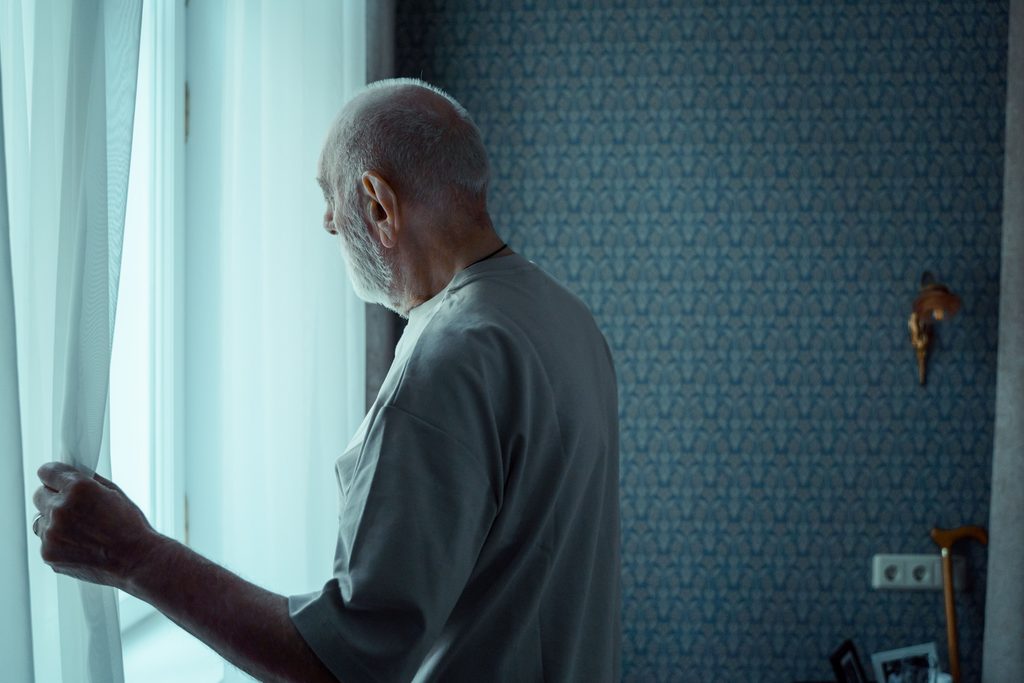
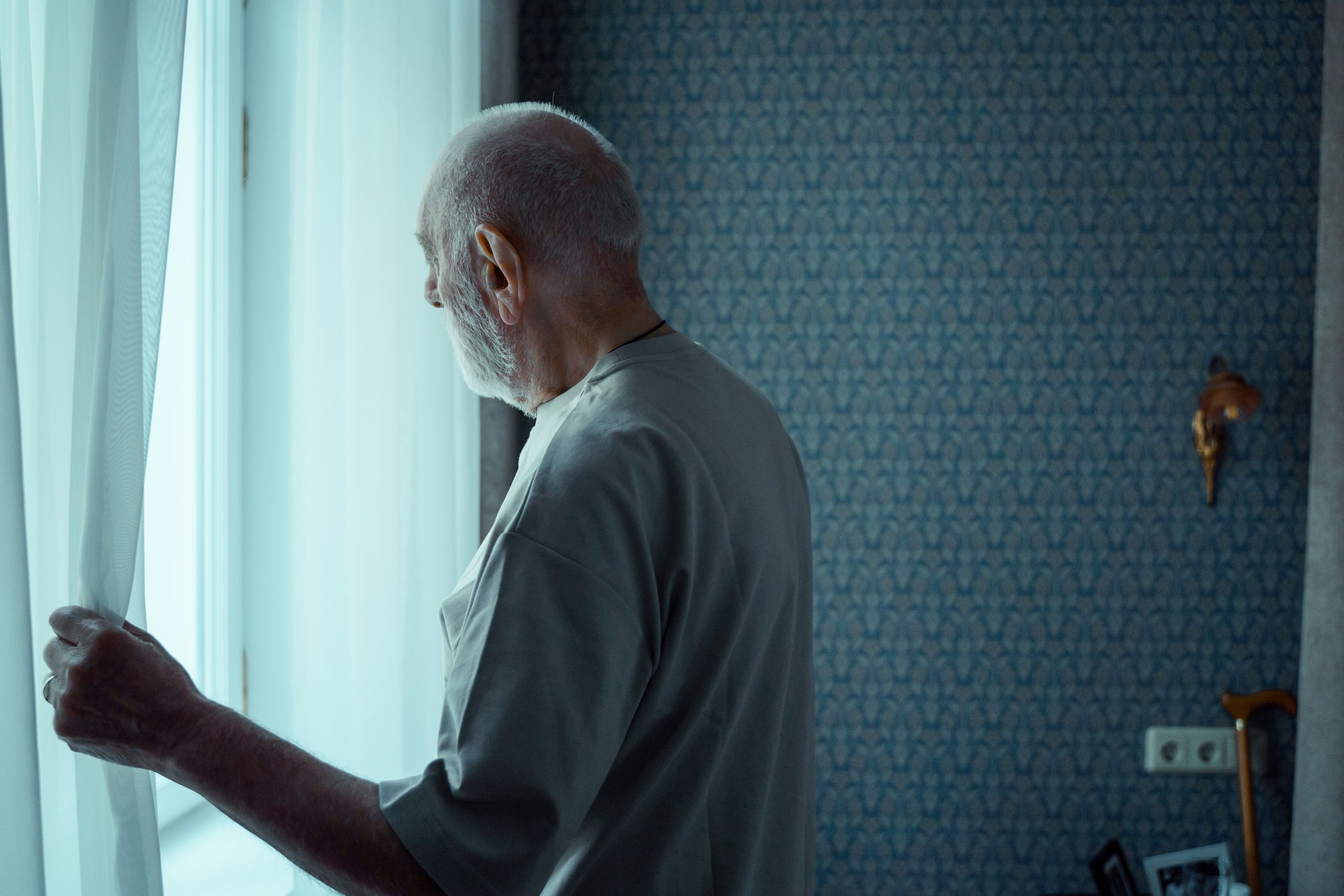
Aging is a cruel process, particularly when you’re forced to go through it alone. During the long hours I spent with my grandmother in the hospital, and especially in the emergency room, I noticed that the other patients were mostly elderly, and often unaccompanied. My grandmother had three children, eight grandchildren, four great-grandchildren (so far), and two younger siblings, which meant that she was never without family help. The same can’t be said for many other elderly people, including up to 40% of nursing home residents in Australia who receive no visitors. 

In a culture facing a demographic winter, it is becoming more obvious that God’s command to “be fruitful and multiply” comes with multi-generational blessings. In retort to an advice columnist who advised a young person should spend time with a 40-something with kids before having any, Perry wrote, “My advice, in contrast, would be to spend some time with childless 80-somethings and see how little fun their lives are.” 

The promise of “living for the moment,” rather than being stuck at home caring for kids, ignores the reality that “the moment” won’t last and death is still inevitable. For years now, Japan has used robots to care for an aging population amidst a shortage of younger care workers. Contrast that cold sterility with what Perry describes with her dying grandmother: relatives surrounded a matriarch with simple acts of love like keeping her dry lips from chapping. She wrote, 

For those entering old age without children, the best case scenario is that dramatic advancements in care robots ride to the rescue. The worst case scenario is that there will be no one to wet their lips as they die, not even a robot. My grandmother’s care might end up representing the high-water mark of what governments can do for their citizens. 

Childlessness affects not only the childless. This is not complicated math. Fewer kids born today means fewer working adults tomorrow to financially provide for a larger number of non-working senior citizens. Even worse, it means fewer people around to provide the vital care many need later in life. If history repeats, in a tragic irony, it will be Christians providing care for those who championed their freedom through childlessness and “death with dignity.”  

Ideas have consequences. Bad ideas have victims. The victims of bad ideas are often those who championed them. 

One day, the party will be over, and the lights will go out. It will matter greatly to us, on that day, if we are surrounded by people who love us and whom we have poured our lives into or if we will face that moment alone. It will also matter greatly for the kind of society we want to be. Our choices about having children today will very much shape our personal and collective futures. Let us pray for the will to choose wisely. 

Copyright 2026 by the Colson Center for Christian Worldview. Reprinted from BreakPoint.org with permission.

Arkansas House Rejects Bad End-of-Life Legislation

Rep. Gazaway testifies against H.B. 1685 on the floor of the House.

On Wednesday the Arkansas House Representatives rejected two bad pieces of end-of-life legislation.

The first was H.B. 1685.

This bad bill lets healthcare workers who are not physicians work through end-of-life decisions with patients and family members. It does not require healthcare workers making these decisions to have appropriate training in end-of-life care. It makes it easier to deny a dying person food or water. Read H.B. 1685 Here.

H.B. 1685 received 31 votes. Fifty-five representatives voted against it.

The second was H.B. 1686. 

This bad bill lets healthcare workers who are not physicians complete Physician Order for Life-Sustaining Treatment (POLST) forms. It removes an important provision in state law that says a POLST form is not intended to replace an advance directive. It inadvertently prevents consulting physicians — such as palliative care physicians — from completing POLST forms with patients. Read H.B. 1686 Here.

H.B. 1686 received 38 votes. Forty-eight representatives voted against it.

Both bills were opposed by several different groups, including:

  • National Right to Life
  • Arkansas Right to Life
  • Euthanasia Prevention Coalition USA
  • Family Council
  • Northwest Arkansas Respect Life
  • Arkansas Advocates for Nursing Home Residents

Below is a breakdown of the vote on H.B. 1685 and H.B. 1686.

Voted FOR H.B. 1685

  • F. Allen
  • Barker
  • Bentley
  • Cavenaugh
  • Clowney
  • Coleman
  • Dalby
  • M. Davis
  • Eubanks
  • Evans
  • K. Ferguson
  • D. Ferguson
  • Fielding
  • V. Flowers
  • D. Garner
  • Godfrey
  • M. Gray
  • M. Hodges
  • Hollowell
  • Ladyman
  • McCullough
  • Miller
  • Murdock
  • Payton
  • Perry
  • Richmond
  • S. Smith
  • Wardlaw
  • Warren
  • D. Whitaker
  • Wing

Voted AGAINST H.B. 1685

  • Beatty Jr.
  • S. Berry
  • M. Berry
  • Boyd
  • Breaux
  • Brooks
  • Brown
  • Bryant
  • Carr
  • Christiansen
  • Cloud
  • A. Collins
  • C. Cooper
  • Cozart
  • Crawford
  • Deffenbaugh
  • Dotson
  • Ennett
  • C. Fite
  • L. Fite
  • Fortner
  • Gazaway
  • Haak
  • Holcomb
  • Hudson
  • Jean
  • Jett
  • L. Johnson
  • Lowery
  • Lundstrum
  • Lynch
  • Maddox
  • J. Mayberry
  • McClure
  • McCollum
  • M. McElroy
  • McGrew
  • McKenzie
  • McNair
  • S. Meeks
  • Milligan
  • Penzo
  • Ray
  • Richardson
  • Rye
  • Scott
  • Slape
  • B. Smith
  • Speaks
  • Springer
  • Tosh
  • Underwood
  • Watson
  • Womack
  • Wooten

Voted “Present” on H.B. 1685

  • Bragg
  • Furman
  • Hillman

Did Not Vote On H.B. 1685

  • Beck
  • Eaves
  • Gonzales
  • Hawks
  • Love
  • Magie
  • Nicks
  • Pilkington
  • Shepherd
  • Tollett
  • Vaught

Voted FOR H.B. 1686

  • F. Allen
  • Barker
  • Beck
  • Bentley
  • Brown
  • Cavenaugh
  • Clowney
  • Coleman
  • Dalby
  • M. Davis
  • Eaves
  • Eubanks
  • Evans
  • K. Ferguson
  • D. Ferguson
  • Fielding
  • V. Flowers
  • D. Garner
  • Godfrey
  • Gonzales
  • M. Gray
  • Hillman
  • M. Hodges
  • Hollowell
  • Hudson
  • Ladyman
  • McClure
  • McCullough
  • S. Meeks
  • Miller
  • Murdock
  • Nicks
  • Payton
  • Perry
  • S. Smith
  • Wardlaw
  • Warren
  • D. Whitaker

Voted AGAINST H.B. 1686

  • Beatty Jr.
  • S. Berry
  • M. Berry
  • Boyd
  • Bragg
  • Breaux
  • Brooks
  • Bryant
  • Carr
  • Christiansen
  • Cloud
  • A. Collins
  • C. Cooper
  • Crawford
  • Deffenbaugh
  • Dotson
  • Ennett
  • C. Fite
  • L. Fite
  • Gazaway
  • Haak
  • Hawks
  • Holcomb
  • L. Johnson
  • Lowery
  • Lundstrum
  • Lynch
  • Maddox
  • J. Mayberry
  • McCollum
  • M. McElroy
  • McGrew
  • McKenzie
  • Milligan
  • Penzo
  • Pilkington
  • Ray
  • Rye
  • Scott
  • Slape
  • B. Smith
  • Speaks
  • Springer
  • Tosh
  • Underwood
  • Watson
  • Womack
  • Wooten

Voted “Present” On H.B. 1686

  • Furman
  • Vaught

Did Not Vote on H.B. 1686

  • Cozart
  • Fortner
  • Jean
  • Jett
  • Love
  • Magie
  • McNair
  • Richardson
  • Richmond
  • Shepherd
  • Tollett
  • Wing